Between 2023 and 2024, the United Kingdom recorded 339,916 alcohol-specific hospital admissions, and England saw 22,644 alcohol-related deaths in 2023. This means that seeking treatment for alcohol use is crucial. Alcohol detox is the first stage of treatment, but there can be complications.
When you stop drinking after alcohol abuse, your body reacts as it adjusts to the absence of alcohol. This process, called alcohol withdrawal, can bring on a mix of physical and emotional symptoms. Understanding the stages of alcohol withdrawal helps you recognise what is happening to your body and when to seek medical help for alcohol use disorder.
Understanding Alcohol Withdrawal
When you first detox from alcohol, your body has to readjust to life without alcohol. This can cause you to experience withdrawal symptoms, which can range from mild to severe depending on the duration and amount of alcohol consumed. Recognising what causes these changes and how they affect your body helps you prepare for a safer recovery.
What Triggers Alcohol Withdrawal?
When you withdraw from alcohol, your body, used to regular alcohol consumption, suddenly goes without. Over time, alcohol affects your brain’s balance of chemicals like GABA and glutamate, which handle relaxation and alertness.
You might feel anxiety, sweating, tremors, and restlessness within just a few hours. These are your body’s way of trying to get back to normal. The severity of withdrawal usually depends on how much and how often you drank.
Alcohol Withdrawal Syndrome Explained
Alcohol Withdrawal Syndrome (AWS) is the medical term for the cluster of symptoms that can develop when you suddenly stop or sharply cut down on drinking. AWS happens because your brain has gotten used to alcohol’s depressant effects, so it has to adjust when you stop drinking. Many treatment centres offer management of alcohol withdrawal syndrome to help with long-term recovery.
Physical and Psychological Symptoms
Physical symptoms like shaking, nausea, sweating, a racing heart, and headaches manifest because your nervous system is in overdrive. Some people also get seizures or hallucinations in dire cases.
Psychological symptoms, such as depression, anxiety, irritability, and trouble sleeping, can stick around longer than the physical stuff. Sometimes for weeks. Mild symptoms might ease up with rest and hydration.

Alcohol Withdrawal Timeline
When you quit drinking after regular or heavy use, you experience alcohol withdrawal as your body goes through a series of physical and mental changes. The intensity, duration, and type of withdrawal symptoms can really depend on your drinking habits, health, and how dependent you are.
Withdrawal Timeline Overview
The alcohol withdrawal timeline usually begins within 6 to 12 hours of your last drink. Early symptoms include anxiety, tremors, sweating, and nausea. These are signs your body’s starting to rebalance. By 12 to 48 hours, symptoms can hit their peak. Most people start to feel better after five to seven days, though fatigue and mood swings can linger.
Factors Affecting Withdrawal Duration
Your drinking history, overall health, and whether you’ve been through withdrawal before all play a part. Heavier, longer-term drinking usually means more intense, drawn-out symptoms. Age and liver health matter as well. Poor liver function slows alcohol metabolism and ups the risk of complications.
People with other medical conditions or who use other substances might need medical supervision to stay safe. Medications, hydration, and decent nutrition can help speed up recovery. A supervised treatment for alcohol withdrawal is often the safest way to manage symptoms and avoid serious reactions.
Early, Acute, and Post-Acute Phases
Withdrawal happens in three main phases: early, acute, and post-acute. The early phase starts within hours: restlessness, shaking, trouble sleeping. The acute withdrawal phase comes next, with more intense symptoms like sweating, a racing heart, and sometimes seizures.
After detox, some people deal with post-acute withdrawal syndrome (PAWS). This subacute withdrawal stage can drag on for weeks or months. Ongoing support and healthy routines can help you get through PAWS and stay committed to recovery.

Stages of Alcohol Withdrawal
Alcohol withdrawal unfolds in phases that can vary a lot in intensity and risk. These stages show how your body and brain react as alcohol leaves your system, starting with early discomfort and sometimes escalating to serious medical emergencies. The stages of alcohol withdrawal are:
Stage 1: Early Withdrawal (6–24 Hours)
Early withdrawal symptoms usually show up within six to twenty-four hours after your last drink. You might feel anxiety, nausea, insomnia, and headaches as your system tries to find its footing. Your heart rate and blood pressure may rise, and you could get tremors, especially in your hands. Even mild withdrawal can be draining, physically and mentally.
Stage 2: Acute Withdrawal (24–72 Hours)
In the acute stage, symptoms ramp up. You might deal with sweating, fever, fatigue, and heightened anxiety. Some people start having visual or tactile hallucinations. Withdrawal seizures can also occur at this point. Your blood pressure might stay high, and your heart rate can become erratic.
Stage 3: Severe Withdrawal and Delirium Tremens
Severe withdrawal can bring on delirium tremens (DTs), a medical emergency that usually shows up 48–72 hours after quitting. Symptoms: confusion, agitation, severe tremors, and hallucinations. Without treatment, DTs can cause seizures, dehydration, or even coma. DTs is rare but extremely risky. If you even suspect DTs, get emergency care right away.
Stage 4: Post-Acute and Prolonged Symptoms
Once the worst physical symptoms fade, you may still face post-acute withdrawal. This can drag on for weeks or months: insomnia, mood swings, anxiety, and trouble focusing. Your brain is still working to rebalance after long-term alcohol use. These lingering symptoms, sometimes called protracted withdrawal, can make recovery more difficult.

Complications and High-Risk Symptoms
Severe alcohol withdrawal can mess with your brain and body in dangerous ways. You could face sudden electrical storms in your brain, hallucinations, or fluctuations in heart rate and blood pressure. These symptoms can be life-threatening if you don’t seek medical help.
Seizures and Convulsions
Withdrawal seizures often show up within 6 to 48 hours after your last drink. They’re a result of your brain being overstimulated as alcohol’s calming effect disappears. Seizures can happen once or in clusters, and sometimes turn into full-body convulsions. Warning signs include tremors, sweating, or confusion.
People with a history of heavy alcohol intake or who’ve had withdrawal during previous attempts to recover are at higher risk for the dangers of alcohol withdrawal. If left untreated, repeated seizures can cause oxygen loss, head injury, or even cardiac arrest.
Hallucinations and Delusions
Hallucinations can begin 12 to 24 hours after you stop drinking. You might see, hear, or feel things that aren’t real, such as bugs crawling on your skin or voices calling your name. Delusions sometimes occur. You could be convinced someone intends to do you harm.
Unlike delirium tremens, these hallucinations usually happen when you’re awake and aware. Still, they’re a sign of severe withdrawal and mean you should get medical attention.
Delirium Tremens: Risks and Signs
Delirium tremens (DTs) is the most severe form of alcohol withdrawal. It usually shows up two to three days after quitting, but it can come later. DTs cause sudden confusion, wild agitation, fever, and high blood pressure. You might also get vivid hallucinations, a racing heart, and heavy sweating.
Medical Management and Treatment Options
You need careful medical care when stopping alcohol use because withdrawal can cause serious complications. Treatment often includes medically supervised detoxification, specific medications to control symptoms throughout the stages of alcohol withdrawal, and structured rehabilitation to support long-term recovery.
Medical Detoxification and Supervision
A medically supervised detoxification keeps you safer during withdrawal. Doctors keep an eye on your vital signs, hydration, and mental state throughout the process. Inpatient detox helps prevent severe complications like seizures, delirium tremens, or even psychosis. During medical detox, you might stay in a hospital or clinic, where trained staff can intervene if needed.
Medications Used in Alcohol Withdrawal
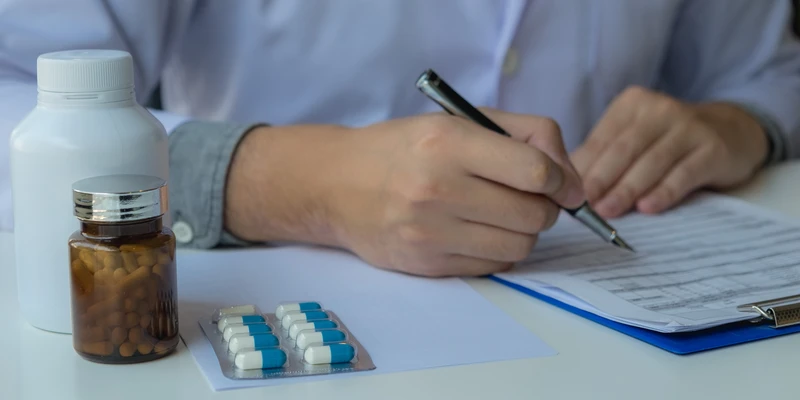
Benzodiazepines are usually the first option in alcohol withdrawal treatment. Drugs like lorazepam or diazepam help ease anxiety, tremors, and lower the risk of seizures. Long-acting benzodiazepines keep blood levels steady and help prevent rebound symptoms. If you do have a seizure, anticonvulsants might be brought in to keep your brain activity under control.
Inpatient and Outpatient Rehab Settings
Your treatment setting really depends on how rough your withdrawal is and what works for you. Inpatient rehab gives you 24-hour medical care, which is important if you’ve had bad withdrawals before or have other health issues. The dangers that severe symptoms of alcohol withdrawal present make inpatient detox the safest choice.
Relapse Prevention Strategies
After going through the stages of alcohol withdrawal, you’ll need a plan to stay sober. Alcohol addiction treatment often means a mix of medication, therapy, and some changes to your daily life. Medicines like naltrexone and acamprosate can help with cravings, and disulfiram is there as a bit of a deterrent.
Behavioural therapies teach you how to handle triggers and stress. Support groups and ongoing counselling help you stay connected and accountable. Building routines, eating better, and moving your body can all help your recovery.
Frequently Asked Questions
What are the initial symptoms of withdrawal from alcohol?
You might start feeling it within 6 to 12 hours after your last drink. Anxiety, tremors, sweating, nausea, and trouble sleeping are all pretty common at the start. These happen as your body reacts to losing its regular dose of alcohol and tries to adjust.
How long does the acute phase of alcohol withdrawal typically last?
The worst symptoms manifest during the first day and can last up to 72 hours. Symptoms tend to peak during this window. Sometimes withdrawal can last for a week, especially if you’ve been drinking heavily or for a long time.
Can you describe the potential complications associated with alcohol withdrawal?
Complications can be serious. Seizures, hallucinations, and delirium tremens top the list. Those can bring confusion, fever, and a rapid heart rate. Without medical care, things can get dangerous fast.
What are the treatments available for managing alcohol withdrawal symptoms?
Treatment often means prescription meds like benzodiazepines to calm anxiety and prevent seizures. You might also need fluids, vitamins, and close monitoring, or sometimes even hospital care if things get difficult.
How does the severity of alcohol dependence affect the withdrawal process?
If you’ve been drinking a lot or for a long time, withdrawal can hit harder and last longer. Dependence changes your brain chemistry, so your body reacts more strongly when you stop. That also means a higher risk of complications.
What are the signs that indicate the need for medical intervention during alcohol withdrawal?
You should seek immediate medical help if you experience seizures or hallucinations. Severe withdrawal symptoms, like confusion or high fever, are also major indicators of dangerous withdrawal.