Heroin addiction treatment options might include medically supervised detox, medicines to ease cravings, and therapies that tackle long-term habits. You can explore different levels of care, such as inpatient or outpatient rehab, to find a plan that suits your lifestyle. Each step is meant to help you build a healthier, safer future. 
Importance of Personalised Heroin Addiction Treatment Options
Heroin abuse affects every person differently. Your physical health, mental wellbeing, and personal history all shape how addiction impacts your daily life and what kind of support you may need.
Because of these differences, having an individualised treatment plan is essential. A thorough medical assessment often comes first, helping a treatment provider understand your needs and the level of dependence or physical dependence you may be facing.
From there, the plan may combine detox, medical care, therapy, and other heroin addiction treatment options to create a path forward. Regular reviews keep the plan flexible, ensuring that your recovery adapts as you grow stronger.
This kind of comprehensive treatment is designed to help not only with drug use but also with emotional healing, relationships, and long-term stability.
Medical Detoxification
For many people, medical detoxification is the first step of recovery. This stage focuses on clearing the drug from your body while carefully managing withdrawal symptoms.
Management of Heroin Withdrawal Symptoms
The symptoms of heroin withdrawal can begin within hours of the last dose and often feel overwhelming, both physically and emotionally. Muscle pain, sweating, nausea, vomiting, and insomnia are common, while anxiety, agitation, and strong craving for heroin can make the experience even harder.
Medical detox helps manage these challenges in the safest way possible. Medical professionals may prescribe methadone or buprenorphine to reduce discomfort and keep you stable.
With round-the-clock monitoring, professionals can address complications like dehydration, heart issues, or emotional distress as they arise. This kind of compassionate care helps lower risks and ensures you feel supported through each stage of withdrawal.
Inpatient vs Outpatient Detox Settings
You can access detox in two main ways: inpatient or outpatient treatment. Inpatient detox means staying in a hospital or clinic with 24/7 supervision. This is often best for those with long-term heroin use, co-occurring health conditions, or a high risk of complications.
Outpatient detox allows you to live at home while attending regular appointments at a treatment centre. This option gives you more independence, but it also requires a strong commitment to scheduled visits and following medical guidance.
Choosing between inpatient and outpatient care depends on your health, history, and living situation, and a trusted treatment provider can guide you toward the safest choice.
Timeline and Severity of Symptoms
Heroin withdrawal symptoms usually appear 6–12 hours after your last dose, peaking within 1–3 days. Acute symptoms typically last 5–7 days, though the exact experience varies. People with long-term or heavy heroin use often face more severe withdrawal, while others may find the process somewhat milder.
Even after acute symptoms fade, post-acute issues like fatigue, low mood, and sleep problems can linger for weeks. These are signs of the body and mind adjusting after dependence, and detox staff are trained to provide ongoing reassurance and care.
Medications for Heroin Addiction
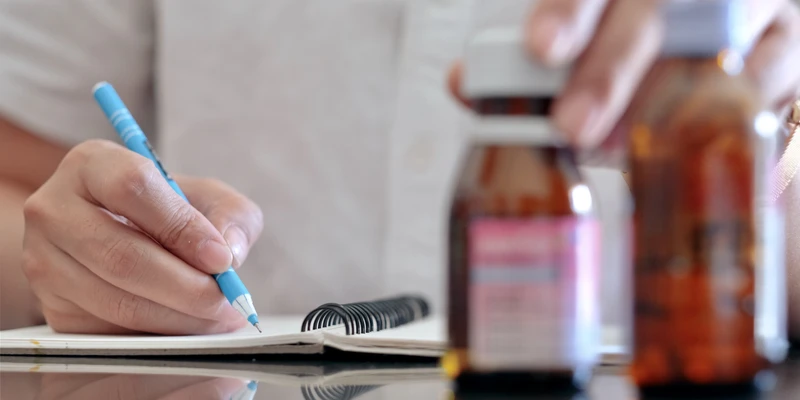
There are a few medicines that can help reduce heroin use, handle withdrawal, and support long-term recovery. Each works differently and needs to be managed by someone who knows addiction care.
Methadone
Opioid agonist therapies are often the most widely used treatment approach for people addicted to heroin. These medications act on the same opioid receptors in the brain that heroin targets, but in a much safer and more controlled way.
Methadone is a full opioid agonist. It fully activates the receptors in the brain, easing drug cravings, reducing withdrawal symptoms, and helping prevent relapse.
Additionally, methadone is a synthetic opioid, and under careful supervision, it allows you to function normally without the chaotic effects of using heroin. Daily methadone maintenance in a supervised setting is common, though doses may be adjusted as you progress.
Buprenorphine
Buprenorphine is a partial opioid agonist. It binds to opioid receptors but only partially activates them, creating gentler effects than methadone. This drug carries a lower risk of overdose and is often safer when taken as prescribed.
Research comparing heroin and other opioids shows that buprenorphine not only reduces drug cravings and withdrawal but also helps lower risky behaviours tied to drug abuse.
For example, in one large study, patients taking buprenorphine reported significant decreases in needle sharing and unsafe sexual behaviours over 24 weeks. Both are important factors in reducing the spread of infections like HIV.
Naloxone
Naloxone is an opioid antagonist that blocks heroin or another opioid from producing a high. When combined as Suboxone (buprenorphine and naloxone), it reduces the chance of misuse. If injected, naloxone triggers sudden opioid withdrawal, acting as a deterrent. Taken correctly, it helps you stabilise without intense cravings.
Managing Cravings and Preventing Relapse
Medication-assisted treatment (MAT) often combines medication, therapy, and ongoing support. Naltrexone, also known as an opioid antagonist, is another option. It blocks the effects of opioids like heroin, meaning you can’t get high even if you try.
To start safely, you must first complete detoxification, since beginning too early can cause intense symptoms of heroin withdrawal.
Some treatments involve daily doses, while others, like long-acting injectable naltrexone, are taken monthly. This flexibility helps fit recovery into your lifestyle, giving you more freedom while still protecting against relapse.
A strong treatment programme also includes counselling, community support, and relapse-prevention strategies. These various treatment options show that recovery is possible, and treatment can help you regain stability, health, and hope.
Behavioural Therapies and Counselling
While medication can ease the physical side of heroin addiction, healing also requires support for the emotional and behavioural patterns behind drug addiction. This is where therapy plays a central role.
Cognitive Behavioural Therapy
Cognitive Behavioural Therapy (CBT) focuses on identifying the thought patterns and daily triggers that can lead back to drug cravings or relapse.
With a therapist’s guidance, you’ll practice coping tools like stress management, problem-solving, and reshaping negative thoughts that give you new ways to respond when life gets difficult. Over time, CBT can provide both stability and hope, helping you feel more capable of living without heroin.
Contingency Management Interventions
Contingency management rewards positive choices, such as attending sessions or providing clean drug tests. Even small rewards can help shift habits, showing that every healthy step forward matters.
It’s especially effective in early recovery when motivation may feel fragile. By tying actions to real-life benefits, this approach makes staying engaged in treatment more rewarding, reducing the chance of relapse.
Group and Individual Therapy
Group therapy connects you with others who know the struggle of being struggling with heroin, providing encouragement, accountability, and a sense of community. Hearing other people’s stories often makes recovery feel less lonely.
Individual therapy offers privacy and focused attention from a therapist who tailors care to your goals and challenges. This mix of social and private support is often part of a comprehensive treatment plan, creating stability both inside and outside the therapy room.

Integrated Support Services
Recovery involves learning how to manage the challenges that come after treatment. The lingering effects of heroin can make daily life feel overwhelming, so it’s important to get help from services that understand what you’re going through.
Dual Diagnosis and Co-Occurring Conditions
If you’re dealing with both heroin use and mental health problems, you’re not alone. Many people live with what’s called a dual diagnosis, meaning addiction and a mental health condition at the same time.
Treatment works best when both are addressed together, often through an integrated treatment centre where mental health care and drug treatment happen side by side. This approach reduces gaps in care and avoids sending mixed messages.
Therapy, medication, and support groups may all be part of your plan, offering steady guidance when depression, anxiety, or drug abuse complicates recovery. Some programmes are upfront that recovery can feel tough at times, but they remind you that treatment doesn’t end after detox. treatment may continue with ongoing counselling and follow-up support to keep progress steady.
Long-Term Follow-Up and Aftercare
The structures you put in place help you stay drug-free after rehab. Long-term aftercare focuses on developing healthier habits, managing stress, and preventing setbacks. Regular check-ins, peer support, or even extended sessions can make all the difference.
Having a steady support system means you’re less likely to slip back into old, addictive behaviours. It also reminds you that setbacks are part of recovery, not the end of it. If you ever feel yourself sliding, know that treatment can help you get back on track.
Family Involvement in Recovery
Family can be one of the most powerful supports in recovery. When they’re part of the process, it often feels less isolating and more hopeful. Many treatment programmes invite families to participate in counselling sessions, where open conversations help rebuild trust and set healthy boundaries.
Treatment for heroin addiction involves learning about how addiction works and recognising signs of relapse. Families can better support you without enabling harmful behaviours.
Remember that recovery is rarely a solo effort. It’s something that grows stronger when loved ones are involved.
Get Help for Substance Use Disorder at Sierra Recovery
Recovery is about finding a path that feels real and sustainable for you. At Sierra Recovery, we don’t just list off programmes or treatments. We sit with you, listen to your story, and help craft a plan that fits where you are right now.
We know how heavy the effects of heroin and other substances can feel, and how addiction affects every corner of your life. As such, our team will walk alongside you for as long as it takes.
If you’re ready to take that first step, or even if you’re just wondering what recovery could look like, reach out to Sierra Recovery. No matter how far things may feel right now, change is always possible with the right treatment centre and ongoing care.
Frequently Asked Questions
How dangerous is heroin compared to other opioids?
Heroin is often considered more dangerous than prescription painkillers because it’s unregulated, unpredictable in strength, and highly addictive. Street heroin is frequently mixed with other substances, which increases the risk of overdose.
Can heroin addiction be treated in a private facility?
Yes, some people choose private heroin rehab centres for more personalised care, shorter wait times, and access to a wider range of therapies. A treatment centre like this can create a personalised treatment plan that’s tailored to your needs.
What happens if someone relapses during recovery?
A relapse doesn’t mean failure. It simply means treatment needs to be adjusted. Often, relapse highlights areas where more treatment and support are required. Many support groups and clinicians encourage people to see relapse as part of the healing process, not the end of it.
How long does treatment for heroin usually last?
There isn’t a fixed timeline. Treatment depends on many factors, including how long you’ve been using heroin, your health, and your support system. Some people benefit from initial treatment in a residential setting followed by ongoing treatment in the community, while others continue care for months or even years with medication and outpatient treatment.
What role does detox play in heroin rehab?
Detoxification is the process of clearing heroin from the body, but it’s just the first step. Detox alone rarely helps with long-term recovery because it doesn’t address cravings, triggers, or behaviours tied to substance use disorder. That’s why detox is usually followed by therapy, medication, and structured aftercare in a treatment programme.
Are there community resources available for recovery?
Yes. In addition to NHS care, you can connect with a local drug treatment service or community-based organisations for extra support. Peer groups like Narcotics Anonymous and other recovery networks are also available, providing free spaces to talk, share, and heal. These resources are designed to help people feel less isolated and to offer encouragement at every stage of recovery.