Maybe you’re feeling trapped in a cycle of relying on prescription medications that were meant to help, but now seem to be holding you back. What once supported you in managing pain, anxiety, or difficult emotions may have become part of the problem.
If you’re worried about a loved one or if you simply want to explore your treatment options, this guide will walk you through the different prescription drug abuse recovery programmes available, what to expect, and where to find help.
Prescription Drug Addiction and Abuse
Prescription drug abuse occurs when medications are used in ways not intended by a healthcare provider, such as taking higher doses, using someone else’s prescription, or using drugs to get high. This misuse can lead to drug addiction, serious health risks, and unexpected life changes.
Commonly Misused Prescription Medications
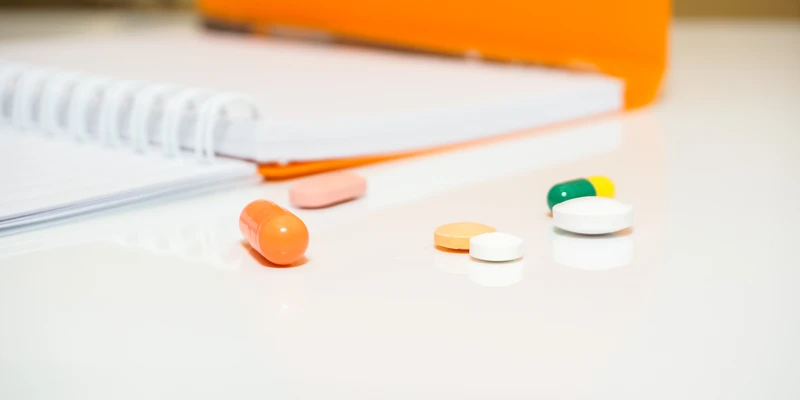
Understanding which medications are most often misused can help you detect potential problems early. Not all prescription drugs carry the same risk of misuse, but some are more commonly abused due to their effects on the brain and body:
- Opioids (e.g., oxycodone, hydrocodone) are strong painkillers that can produce intense feelings of euphoria, making them highly addictive.
- Stimulants (e.g., amphetamines, methylphenidate), commonly used to treat ADHD, are misused to boost energy or focus, especially in academic or high-pressure environments.
- Benzodiazepines (e.g., diazepam, alprazolam) are prescribed for anxiety and sleep disorders. While they promote calmness and relaxation, misuse can quickly lead to dependence.
Signs and Symptoms of Addiction
Physical signs to look out for include drowsiness, slurred speech, pinpoint pupils, or rapid weight shifts. Behavioural red flags may involve secrecy, doctor shopping, or visiting different doctors to obtain new prescriptions, running out of medication early, or changes in work or school performance.
Emotional signs can range from sudden mood swings to withdrawal from friends and family. Tolerance or needing more of the drug for the same effect, and withdrawal symptoms are clear indicators that professional help may be necessary.
Prescription Drug Abuse Recovery Programmes
Treatment isn’t one-size-fits-all. There are several types of prescription drug abuse recovery programmes available, depending on your needs, lifestyle, and the severity of the addiction:
Residential Rehab
Residential or inpatient treatment offers 24-hour supervision in a safe and structured environment, ideal for individuals with severe addiction or a history of relapse. This level of care removes daily stressors and triggers, allowing the person to focus fully on recovery without potential distractions.
Outpatient Treatment
Outpatient treatment allows individuals to live at home while attending scheduled therapy sessions. It’s a flexible option suitable for those with stable living environments and strong support systems, making it easier to maintain work, school, or other personal responsibilities during recovery.
Support Groups
Peer support groups like Narcotics Anonymous provide safe, non-judgemental spaces where individuals can share experiences, receive encouragement, and build accountability. These connections help reduce isolation, enhance motivation, and play a valuable role in supporting long-term sobriety.

Prescription Drug Addiction Treatment Options
Treatment for addiction to prescription drugs involves addressing both the physical and psychological aspects of dependence. A comprehensive approach often includes detox, medication, psychotherapy, and ongoing support. Combining these services enhances long-term recovery and reduces the risk of relapse:
Detox
Prescription drug detox is typically the first step in an addiction treatment programme. It involves clearing the body of addictive substances and is medically supervised to ensure utmost safety and comfort throughout the process, especially when you’re at risk of withdrawal.
Medication-Assisted Treatment (MAT)
MAT combines FDA-approved medications with behavioural therapy to support recovery. It addresses both the physical cravings and psychological triggers associated with problematic behaviour. MAT is often used to treat opioid use disorder, but may also benefit people misusing other prescription drugs.
Dual Diagnosis
Many people struggling with prescription drug addiction also face co-occurring mental health issues like depression, anxiety, or unresolved trauma. Dual diagnosis treatment addresses both substance use and mental health simultaneously, increasing the likelihood of successful treatment outcomes.
Individual Therapy
Evidence-based therapies like Cognitive Behavioural Therapy (CBT) and Dialectical Behaviour Therapy (DBT) help treat prescription drug addiction by targeting negative thought patterns, emotional regulation, and stress management. Individual sessions offer a safe space to build and apply these practical coping skills under the guidance of a trained therapist.
A 2023 review, along with other older studies, consistently shows that CBT is effective for treating both alcohol and drug addiction, especially when combined with approaches like motivational interviewing.
Group Counselling
Unlike individual therapy, group counselling brings multiple people facing similar struggles to share experiences, offer support, and learn from one another. These sessions promote open discussion, peer feedback, and the development of healthy interpersonal skills. Group therapy can also reduce feelings of isolation, promote a sense of community, and reinforce accountability.
Family Therapy
Addiction affects not just the individual experiencing it but also their whole family. Involving loved ones in treatment can repair broken relationships, improve communication, and establish healthy boundaries. Understanding addiction as a real, chronic condition that needs emotional and professional help can foster empathy and strengthen your support system.

Causes and Who is at Risk of Addiction
While anyone can develop an addiction, prescription drug misuse may be more likely in individuals who begin with a legitimate need, such as managing chronic pain, recovering from surgery, or treating a medical condition. Teenagers and older adults are particularly vulnerable due to limited awareness of the associated risks or easier access to medications.
Other risk factors include a lack of education about safe medication use, a history of substance misuse, and underlying mental health conditions. Young adults may be more influenced by peer pressure or a desire to experiment, while military veterans are at higher risk due to injuries, PTSD, and depression.
Dangers of Prescription Drug Addiction
Abusing prescription drugs can harm both your body and mind. Physically, it may lead to liver damage, heart problems, or overdose, especially with opioids or when mixing medications. Long-term misuse can cause serious organ damage and other chronic health issues.
Psychologically, you may experience mood swings, anxiety, depression, or mental changes. Cravings and withdrawal can become overwhelming, making it difficult to function without the drug. Over time, misuse can develop into full addiction, affecting your daily life, relationships, and well-being.
Prescription Drug Rehab at Sierra Recovery
Overcoming prescription drug addiction is not about willpower alone – it’s about getting the right support, treatment, and guidance. Whether you choose inpatient rehab, outpatient care, or a combination of other approaches, the most important step is reaching out.
If you or a loved one is exhibiting signs or is at risk of addiction, now is the best time to seek help.
Frequently Asked Questions
What are the most effective treatment options for individuals struggling with prescription drug dependency?
Effective treatment combines medication for withdrawal with psychotherapy through inpatient or outpatient rehab. Personalised therapeutic approaches, ongoing support, and relapse prevention are key to long-term recovery.
How does one identify the signs and begin the conversation about treatment for prescription drug misuse?
Signs to watch for include taking higher doses than prescribed, doctor shopping, mood or behavioural changes, secrecy, and neglecting responsibilities. Address concerns calmly and supportively, then gently encourage professional support.
Can you describe the process of detoxification and explain why it is crucial in the recovery journey?
Detox is the first step in addiction treatment, which involves cleansing the body of toxic substances while managing withdrawal symptoms. Medical detox works to stabilise the individual for the next phase of rehab.
What is the role of therapy and counselling in the management and treatment of prescription drug addiction?
Both address root causes, teach coping skills, and support mental health. Methods like CBT, individual or family counselling, and psychiatric care are vital for lasting recovery.
How do support groups aid in the recovery from prescription drug abuse, and what options are available?
Support groups offer connection, accountability, and encouragement. Options include 12-step programmes and secular groups like SMART Recovery and Narcotics Anonymous.
What steps should be taken to prevent relapse after completing a prescription drug abuse recovery program?
Relapse prevention typically involves regular check-ins with your provider, attending aftercare sessions, joining support groups, and using coping strategies acquired in treatment. Frequent medical follow-ups, structured routines, and emotional support can also help.