Many people with mental health disorders can often turn to substances to cope with their symptoms. It’s also the case that people can develop mental health disorders such as depression and anxiety after drinking or using drugs. The link between alcohol and anxiety can go both ways, and treatment needs to be comprehensive to give someone a chance at lasting recovery.
What Is Anxiety?
Anxiety is more than just worrying now and then. It’s that constant tension or fear that can affect your daily life, affecting how you think, feel, and act. The symptoms can vary in intensity.
Types of Anxiety Disorders
There are several types of anxiety disorders, each with its own characteristics. Generalised anxiety disorder (GAD) is essentially non-stop worry about everyday things, even when things seem to be completely fine.
Social anxiety disorder is when social situations feel overwhelming. You might dread being judged or embarrassed, so you start avoiding gatherings or public speaking. Phobias are intense fears tied to specific things or situations. Even thinking about your trigger can cause distress.
Other types include panic disorder (sudden, out-of-nowhere panic attacks) and separation anxiety. There are also unspecified anxiety disorders, which can present with various symptoms but do not meet diagnostic criteria for any specific disorder.
Common Symptoms of Anxiety
Anxiety can affect your thoughts, emotions, and even your habits. You might feel restless, edgy, or irritable. A lot of people describe a constant sense of dread or unease.
Mentally, it can manifest as racing thoughts, trouble focusing, or sleep issues. Maybe you relive awkward moments in your head or worry about what might go wrong next week.
Behaviour-wise, avoidance is a major symptom. Skipping social events or putting off stressful tasks can become a pattern, and that worsens anxiety.
Physical Effects
Anxiety isn’t just in your head; it’s also physical. You may notice a racing heart, sweaty palms, shaky hands, or shortness of breath. That’s your body’s stress response. If anxiety lingers, you could end up with fatigue, digestive trouble, or tense muscles. Some people also report headaches and dizziness.

How Alcohol Causes Anxiety
Alcohol impacts how your brain and body handle stress. Its depressant effects slow you down, alter mood chemicals, and can leave you feeling more anxious after the initial effects wear off.
Alcohol as a Depressant and Sedative
Alcohol is both a depressant and a sedative, which means it dulls brain activity and can make you feel less tense, at least temporarily. You might feel looser or more sociable after a drink, since alcohol boosts GABA, a chemical that helps you relax.
But that calm is short-lived. As your blood alcohol level drops, your brain actually gets more fired up, and that can leave you restless or irritable. If you drink heavily or often, your brain starts to depend on alcohol to relax. Over time, you develop tolerance, and relaxing without it gets harder.
Impact on the Central Nervous System
Alcohol directly affects your central nervous system (CNS). As a CNS depressant, alcohol slows the messages between your brain and body. You might notice your reflexes lagging, your speech getting slurred, or your focus slipping.
At first, this can feel like relief when experiencing anxiety. But alcohol affects your brain’s balance of chemicals like serotonin and dopamine. That can mean mood swings, low motivation, and, of course, more anxiety after the fact.
Short-Term vs Long-Term Effects
In the short run, alcohol might make you feel relaxed, chatty, or even drowsy. But when your blood alcohol drops, you can struggle with ‘hangxiety’, a mix of hangover and anxiety. This can linger for up to a day, depending on your drinking habits and tolerance.
Heavy or frequent drinking can rewire your brain. Memory, mood, and sleep can all be affected. Your nervous system gets more sensitive, so you might feel anxious even when you’re stone sober.
The Cycle of Alcohol and Anxiety
Alcohol can relax you in the moment, but it often worsens anxiety once it wears off. As your brain adapts to regular drinking, it gets trickier to manage mood without alcohol, especially during stressful times or withdrawal. The cycle can be difficult to break and can affect your mental health.
Self-Medication and Coping Mechanisms
It’s common to reach for a drink when anxiety is triggered. Alcohol boosts GABA and lowers glutamate, which can make you feel relaxed or sleepy for a bit. This is because alcohol slows down the part of your brain that keeps you alert.
But the relief doesn’t last. As alcohol leaves your system, your brain becomes active, leading to restlessness, irritability, or even panic. You might find yourself drinking more just to feel normal. Over time, this can drag down your mental health even further, upping the chances of depression and chronic anxiety.
Tolerance, Dependence, and Withdrawal
The more often you drink, the more your body gets used to it. That’s tolerance—you need more alcohol for the same effect. Eventually, your brain can start to rely on alcohol just to feel okay. The World Health Organisation points out that alcohol dependence raises your risk for all types of mental and physical health issues, including alcohol use disorders and depression.
When you quit or cut back, withdrawal symptoms can include anxiety, sweating, shaking, and other effects. That’s your brain scrambling to adjust without its usual depressant.
How Alcohol Affects Anxiety Symptoms
Alcohol can trigger or amplify anxiety by affecting your brain chemistry, sleep, and hydration. You might notice panic attacks, nervousness, or just feeling physically uncomfortable during or after drinking. How much you drink and your own health, play a role.

Panic Attacks After Drinking
As your body processes alcohol and your blood alcohol drops, symptoms such as a surge of fear, shortness of breath, or a pounding heart can affect you. It can feel similar to a panic attack, leaving you unstable and on edge.
During withdrawal, your nervous system is on high alert. Some people get chest tightness, dizziness, or sweating that can linger for hours. If you are already struggling with anxiety, these sensations can feel even worse.
Hangover Anxiety and Physical Symptoms
As alcohol leaves your body, you’re left dehydrated, low on blood sugar, and likely short on sleep. Physical symptoms like headaches, nausea, sweating, and dizziness often accompany. They can last a few hours or linger all day, depending on how much you drank and whether you’ve kept up with water and food.
Social Anxiety and Alcohol Use
If you’re using alcohol to ease anxiety in social situations, you might notice different effects. At first, sure, you feel more relaxed. But as your body processes the alcohol, anxiety can come back even stronger.
You might start to depend on alcohol to get through social events, which can negatively impact your mental health and relationships.
Risks and Considerations for Specific Groups
Alcohol can change how your body and mind respond to stress and medication. It may worsen anxiety symptoms or interfere with how treatments work, especially if you already manage an anxiety disorder or take prescribed drugs for it.
People with Pre-Existing Anxiety Disorders
If you’re living with an anxiety disorder, alcohol can worsen your symptoms. It might seem calming at first, but that effect is short-lived. Once it wears off, you’re often left feeling even more tense, worried, or on edge.
People with anxiety are actually two to three times more likely to end up with a substance use disorder than those without. Self-medicating with alcohol is common, but it’s also a pathway to dependence and even worse anxiety over time.
Interactions with Anxiety Medications
Many anti-anxiety prescriptions already slow your central nervous system. Combine them with alcohol, and you may deal with heavy drowsiness, clumsiness, or even slowed breathing.
Doctors usually lean toward medications with lower abuse potential if you have both alcohol and anxiety concerns. Drinking while on these medications can make relapse more likely and dampen the medication’s benefits.
Managing Anxiety and Alcohol Use Disorder
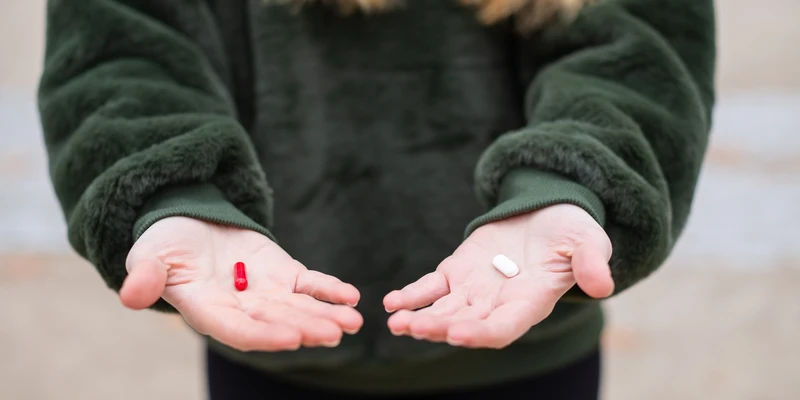
Managing concerns with alcohol and anxiety isn’t always straightforward, but there are practical ways to make it easier. Coping strategies, professional support, and reliable alcohol services can all help keep anxiety from spiralling and stop alcohol from making things worse.
Seeking Professional Help and Support
If you’re finding it tough to manage alcohol and anxiety on your own, reaching out for professional help can make a real difference. Mental health specialists can understand your concerns and recommend treatment options such as cognitive behavioural therapy (CBT), medication, or both. A good therapist will help you identify the patterns connecting your anxiety and alcohol addiction. They’ll also teach strategies for handling stress without turning to alcohol.
Role of Alcohol Support Services
Alcohol support services are available to give you practical and emotional backup if you’re trying to cut down or quit. These might include counselling, peer groups, or medical advice. Addiction specialists can walk you through detox options, relapse prevention, and community recovery.
Frequently Asked Questions
How does alcohol consumption impact anxiety levels?
Alcohol impacts the neurotransmitters that keep your mood steady. Sure, you might feel relaxed right after a drink, but that fades quickly and is followed by irritability, restlessness, or nerves. Drinking to manage anxiety often backfires, sometimes triggering even stronger anxiety or panic once the effects wear off.
Can drinking alcohol exacerbate symptoms of anxiety disorders?
If you already have an anxiety disorder, alcohol can worsen your symptoms. Studies show people with anxiety disorders have a higher risk of developing alcohol use disorder, and people with AUD usually report more anxiety.
Are there any risks associated with using alcohol to cope with anxiety?
Using alcohol to cope can lead to further complications. You might start with a drink to calm your nerves, but your tolerance increases, and soon you need more for the same effect. Alcohol changes your brain chemistry, making anxiety more likely over time.
What are the long-term effects of alcohol on mental health, particularly regarding anxiety?
Long-term alcohol use can profoundly affect your body and mind. It raises your risk of depression, panic disorder, and chronic anxiety. Over time, your brain’s ability to handle stress takes a hit.
Is there a connection between alcohol withdrawal and increased anxiety?
If you stop drinking after using alcohol regularly, your body reacts, sometimes intensely. Withdrawal can bring shaking, sweating, and a spike in anxiety. Alcohol-induced anxiety often peaks during withdrawal and can persist for a few days.
What alternatives to alcohol are recommended for managing anxiety?
Managing feelings of anxiety without turning to alcohol is possible, though not always easy. Things like regular exercise, mindfulness practices, and getting enough sleep can ease stress. Some people find talk therapy or prescription medications helpful.