

Checked for clinical accuracy on 19 August 2025. Next review due August 2026. This article is general information and is not a substitute for advice about your own situation.
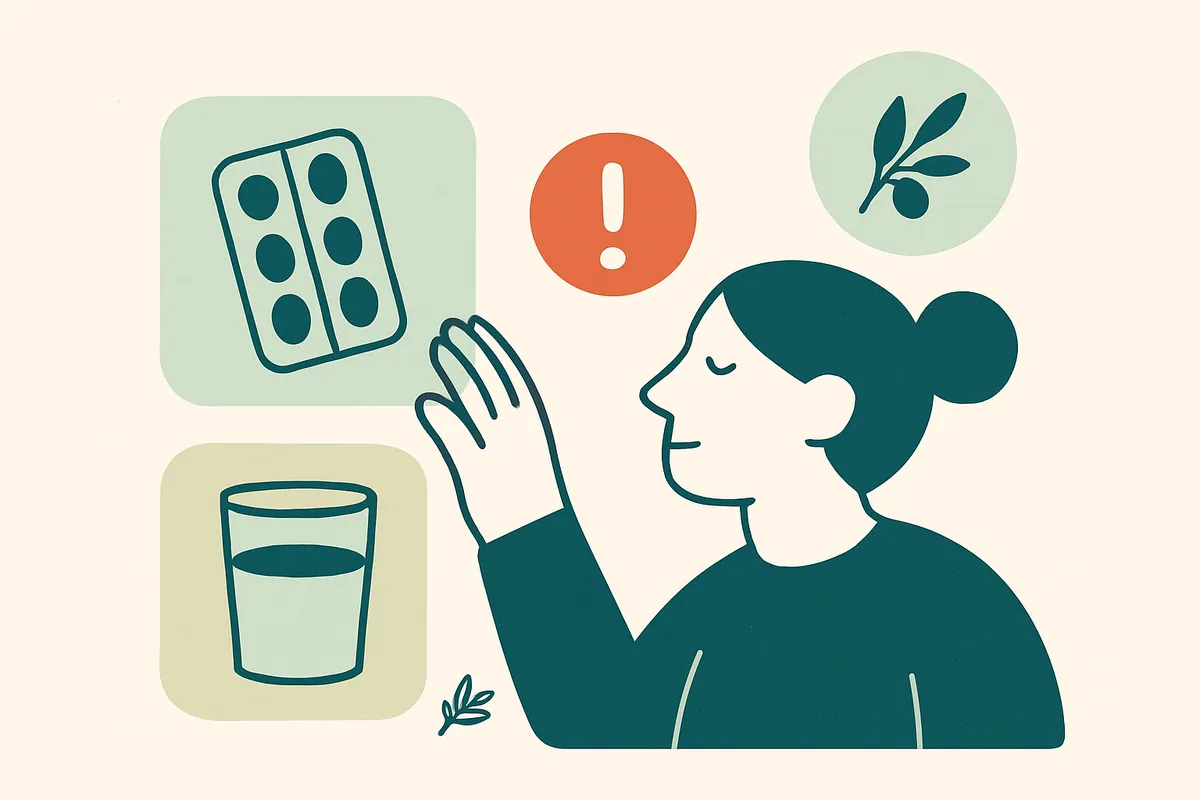
Mixing propranolol and alcohol carries real risk, even in small amounts. Both lower blood pressure and slow the heart, so taken together they can cause dizziness, weakness, blurred vision and fainting, and in some cases more serious cardiovascular effects. If you are prescribed propranolol, the safe move is to talk to your prescriber about drinking rather than to stop your medication or to guess.
Before you go further, a safety note
If you are physically dependent on alcohol or on benzodiazepines such as diazepam or alprazolam, do not stop taking them suddenly. Sudden withdrawal from either can cause seizures and can be life threatening. A medically supervised withdrawal is the safe route, and your GP can arrange one.
In an emergency call 999 in the UK, or 112 anywhere in Europe. For urgent advice that is not an emergency, NHS 111 is available in England around the clock.
Clinical sign-off required before publication. This article describes how a prescription medicine interacts with alcohol. It must not go live until a named clinician has reviewed it and the review date is recorded.
If you're taking propranolol and consuming alcohol is still part of your life, you may be putting yourself at risk without realising it. Mixing the two can cause dizziness and extreme drowsiness and dangerously lower your blood pressure, making withdrawal and recovery even harder. Alcohol can also increase blood pressure, lowering the effect of Propranolol. Understanding this interaction can help you make safer choices and stay on track in your recovery.
What is Propranolol?
Propranolol is a beta-blocker commonly used to treat heart conditions, anxiety, and migraines. It works by slowing your heart rate and reducing the physical effects of stress, making it useful in managing withdrawal symptoms and cravings. In addiction recovery, propranolol is sometimes used to ease the symptoms of anxiety, prevent panic attacks, and support long-term stability.
What Is a Beta Blocker?
Beta-blockers are a class of medications that interfere with activating beta receptors in the body. Beta-1 receptors in the heart control heart rate and contractility, while beta-2 receptors influence muscle relaxation and metabolic processes. By blocking these receptors, propranolol helps regulate heart function and reduces the body's physiological response to stress. In addiction treatment, it may be prescribed to manage withdrawal symptoms.
Who Can Take Beta-Blockers?
Beta-blockers like propranolol are generally safe for most adults but are not suitable for everyone. It may not be recommended for those with asthma, low blood pressure, or certain heart conditions such as a risk of heart attack. If you're in recovery, speak to your doctor to assess whether propranolol is right for you, ensuring it won't interfere with withdrawal management or interact negatively with other medications you may be taking.
What Happens When You Drink Alcohol While Taking Propranolol?
Mixing alcohol and propranolol may increase blood levels of the drug and increase its side effects, which include dizziness, lightheadedness, fainting, and changes in heart rate. Since propranolol and alcohol can also lower blood pressure by slowing your heart rate, the combination may leave you feeling weak or at risk of fainting. This can make everyday activities like standing up quickly or driving particularly dangerous.
The Interaction Between Propranolol and Alcohol
Taking alcohol and propranolol at the same time slows down your body's nervous system, affecting how your heart and brain function. This is because propranolol lowers heart rate and blood pressure by blocking stress hormones, while alcohol relaxes blood vessels and slows brain activity.
Propranolol and Alcohol Side Effects
Possible side effects of propranolol and alcohol taken together can range from mild drowsiness to serious cardiovascular complications. You may feel suddenly weak, struggle with blurred vision, or have difficulty staying awake.
Is It Safe To Drink Alcohol In Moderation?
It's important to be aware that mixing propranolol and alcohol can be risky, even in small amounts. If you rely on propranolol for medical reasons, drinking, even moderately, can lead to unpredictable reactions.
Adverse Reactions
Alcohol intake can amplify feelings of dizziness, drowsiness, and fatigue, making it difficult to concentrate or react quickly. In some cases, patients may experience that alcohol consumption may lead to a sudden drop in blood pressure by making blood vessels larger, leading to fainting or weakness.
Caution When Using Other Medications
If you take propranolol alongside other medications, alcohol may further complicate how they interact. Certain antidepressants, sedatives, and blood pressure medications may already lower your heart rate or affect your nervous system, and adding alcohol to the mix increases the chance of extreme drowsiness, confusion, or even dangerous drops in blood pressure.
Effectiveness of Propranolol for Substance Dependence
Propranolol has gained a lot of attention as a potential aid for people recovering from substance abuse. In some studies, it has been shown to help manage withdrawal symptoms, reduce cravings, and prevent the physiological reactions that make quitting feel overwhelming by blocking the body's stress response. Although propranolol is not a standalone treatment for addiction, it can support a smoother recovery process when used alongside therapy and medical care.
Propranolol for Alcohol Withdrawal
Withdrawal from alcohol can cause intense physical and emotional symptoms, including rapid heart rate, tremors, and anxiety. Propranolol helps by reducing these effects, making the withdrawal process more manageable. It may also lower the risk of severe complications like high blood pressure or irregular heartbeat, which can arise when stopping alcohol abruptly.
Propranolol for Cocaine Withdrawal
Cocaine withdrawal often leads to extreme restlessness, anxiety, and an increased heart rate, making it difficult for individuals to feel stable. Propranolol can counteract these symptoms by calming the nervous system and preventing the surge of adrenaline that fuels cravings and withdrawal distress.
Propranolol for Nicotine Withdrawal
Nicotine withdrawal is typically associated with irritability, anxiety, and heightened stress levels, all of which can make quitting feel unbearable. Propranolol helps by easing the body's fight-or-flight response, reducing the racing heartbeat and tension that often come with nicotine cravings.
Propranolol for Opioid Withdrawal
Opioid withdrawal can be severe, causing rapid heart rate, sweating, and overwhelming anxiety. Propranolol helps by stabilising the cardiovascular system and minimising the body's stress response. It does not eliminate cravings or opioid withdrawal pain, but it can help people feel more in control during detox.
Propranolol for Benzodiazepine Withdrawal
Benzodiazepine withdrawal can trigger heightened anxiety, panic attacks, and an irregular heart rate. Propranolol is sometimes used to control these symptoms, helping reduce the body's stress response and preventing dangerous blood pressure spikes or heart rate spikes.

Ready to find out whether your drinking needs treatment?
A clinician will go through your situation with you before anything is booked, and will say honestly if we are the wrong place for you.
Using Propranolol Safely
Propranolol is a widely prescribed medication, but like any drug, it must be taken correctly to avoid unwanted effects. Many people tolerate it well; however, some may experience side effects that range from mild to serious.
Common Side Effects of Propranolol
Most people experience mild side effects when starting propranolol, which improves as the body adjusts. You may feel lightheaded, tired, or have cold hands and feet because propranolol slows your heart rate and lowers blood pressure. Some people also report sleep disturbances or vivid dreams.
Serious Side Effects of Propranolol
Propranolol can sometimes cause severe side effects that require immediate attention. Signs of dangerously low blood pressure, such as extreme dizziness, confusion, or fainting, should never be ignored. In some cases, propranolol can cause lung issues when prescribed in patients with asthma or emphysema. It can also cause heart failure and spasms of the airways in severe cases, including rebound high blood pressure in sudden withdrawal. Other serious reactions include liver dysfunction, such as jaundice or dark urine, especially for those with impaired liver and kidney functions.
Seek Medical Help
Knowing when to seek medical care is crucial for your safety. If you experience difficulty breathing, chest pain, or a sudden, severe drop in heart rate, get emergency medical assistance immediately. Additionally, if you suspect propranolol is worsening your mental health, causing persistent dizziness, or interfering with your daily activities, consult a doctor. Never stop taking propranolol abruptly, as this can lead to withdrawal symptoms or dangerous heart complications.
When To Get Treatment For Propranolol and Alcohol Misuse
If you find yourself frequently mixing propranolol and alcohol, experiencing heightened side effects, or relying on alcohol to cope with withdrawal symptoms, it may be time to seek professional support. Combining the substances can harm your heart, blood pressure, and overall well-being. Whether you're struggling with substance misuse or need guidance on safer medication use, a rehab centre like Sierra Recovery can provide medical supervision, counselling, and personalised treatment to help you regain control.
Find a Supportive Space for Healing at Sierra Recovery
Healing from alcohol dependence requires a supportive environment, and Sierra Recovery provides just that. As a rustic yet luxurious rehab centre, it offers an affordable escape for those looking to recover in a peaceful, natural setting. Surrounded by mountains and horses, the facility helps clients step away from the stressors of daily life and focus on their treatment journey. At Sierra Recovery, you can access structured therapy sessions, group support, and holistic treatments designed to help you regain stability. Whether you're managing alcohol misuse or adjusting to propranolol treatment, the experienced team provides medical supervision and guidance every step of the way. Reach out today to learn how Sierra Recovery can support your journey toward lasting well-being. Find help today
Last reviewed 2026-07-25. Next review 2027-07-25.

What treatment for alcohol addiction actually looks like
Twenty eight days residential in the Malaga countryside, at a price published in full, with the assessment done before you travel rather than after you arrive.
Questions people actually ask
Can you drink alcohol with Propranolol?
Can you drink alcohol with Propranolol? Drinking alcohol while taking propranolol is not recommended, as both substances lower blood pressure and slow heart rate. This combination can increase dizziness, drowsiness, and the risk of fainting.
What are beta-blockers?
What are beta-blockers? Beta-blockers like propranolol lower your blood pressure and slow the heart rate by blocking the receptors that, when activated, can make your heart beat faster and harder. They are commonly prescribed for heart conditions, anxiety, and migraines.
How long does propranolol take to start working?
Propranolol starts working within an hour, but its full effects on anxiety or heart conditions may take a few days. Slow-release versions work throughout the day and may take longer to show noticeable effects.
Can I take Propranolol with other medications?
Propranolol can interact with various medications, including other blood pressure drugs, antidepressants, and asthma medications. Always consult your doctor before combining propranolol with other prescriptions or over-the-counter treatments.
Can I drive while taking Propranolol?
You should avoid driving or operating heavy machinery until you know how the medication affects you.
Can I take Propranolol if I am pregnant or breastfeeding?
Can I take Propranolol if I am pregnant or breastfeeding? Propranolol is sometimes prescribed during pregnancy, but it may affect foetal growth, so your doctor will weigh the benefits and risks. If breastfeeding, propranolol passes into breast milk in small amounts, but it is generally considered safe with medical supervision.
Will Propranolol affect my sex life?
Will Propranolol affect my sex life? Propranolol may cause sexual side effects such as decreased libido or erectile dysfunction in some people. If you notice changes, let your doctor know so they can adjust your propranolol dosage or explore alternative treatments.
Can I drink alcohol while taking propranolol?
Mixing the two can be risky even in small amounts. If you take propranolol for a medical reason, drinking even moderately can produce unpredictable reactions, so this is a question for the doctor who prescribed it rather than one to settle from a web page.
What happens if you drink alcohol on propranolol?
Alcohol may increase blood levels of the drug and amplify its side effects. Because propranolol lowers heart rate and blood pressure by blocking stress hormones, while alcohol relaxes blood vessels and slows brain activity, the combination can leave you weak, lightheaded or at risk of fainting.
What are the side effects of propranolol and alcohol together?
They range from mild drowsiness through to serious cardiovascular complications. People report sudden weakness, blurred vision and difficulty staying awake. A sudden drop in blood pressure can cause fainting.
Is it dangerous to drive after drinking on propranolol?
Yes. Alcohol can amplify the dizziness, drowsiness and fatigue, which makes it harder to concentrate and slower to react. Everyday things like standing up quickly or driving become particularly dangerous.
Is propranolol used in addiction treatment?
It is sometimes used to ease anxiety, prevent panic attacks and manage the physical symptoms of withdrawal. Whether it is appropriate for any individual is a prescribing decision made by a doctor who knows their full medical history and other medications.

 +
+
Talk to a clinician today
You will speak to our admissions team, English-speaking clinicians who know the programme and the people in it. Callback within 24 hours.
Registered health centre. Authorised by the Junta de Andalucía, N.I.C.A. 67331.