

Checked for clinical accuracy on 2 July 2026. Next review due July 2027. This article is general information and is not a substitute for advice about your own situation.
Mixing amitriptyline and alcohol is not recommended. Both slow the central nervous system, so together they increase sedation, impair coordination and slow reaction times more than either does alone. The product information states that amitriptyline may enhance the sedative effects of alcohol, and the NHS advises avoiding alcohol until you know how the medicine affects you. In overdose, alcohol makes the situation considerably more serious.
Before you go further, a safety note
If you are physically dependent on alcohol or on benzodiazepines such as diazepam or alprazolam, do not stop taking them suddenly. Sudden withdrawal from either can cause seizures and can be life threatening. A medically supervised withdrawal is the safe route, and your GP can arrange one.
In an emergency call 999 in the UK, or 112 anywhere in Europe. For urgent advice that is not an emergency, NHS 111 is available in England around the clock.
Clinical sign-off required before publication. This article describes how a prescription medicine interacts with alcohol. It must not go live until a named clinician has reviewed it and the review date is recorded.
Mixing amitriptyline and alcohol is not recommended. Both substances slow down the central nervous system, and combining them amplifies sedation, impairs coordination, and slows your reaction times more than either does alone. The official SmPC for amitriptyline states explicitly that alcohol may enhance the medicine's sedative effects, and the NHS advises avoiding alcohol until you know how the medicine affects you. For most people, occasional modest drinking on a stable dose carries a lower level of risk than heavy or regular drinking. But the interaction is real, and in certain circumstances, particularly in overdose, it becomes clinically serious. This article explains the interaction clearly, without overstating it, and covers what to do if you are finding it harder than expected to reduce your drinking while taking this medicine.
What Amitriptyline Is and Why It Is Prescribed
Amitriptyline belongs to a class of medicines called tricyclic antidepressants, or TCAs. It works by blocking the reuptake of serotonin and norepinephrine in the brain, increasing the availability of these neurotransmitters. According to a StatPearls clinical review of amitriptyline published via the NIH, it also has significant antihistamine properties, which is why drowsiness is a prominent feature of this medicine. TCAs like amitriptyline are older antidepressants. Newer medicines, such as SSRIs, tend to have a narrower side-effect profile. Amitriptyline remains in common use because it is effective for conditions beyond depression, including chronic pain, nerve pain, migraine prevention, and sleep difficulties. The dose used for pain and migraine is generally much lower than the dose used for depression. Understanding that amitriptyline is already sedating on its own is the starting point for understanding why alcohol changes the picture.
How Amitriptyline and Alcohol Interact in the Body
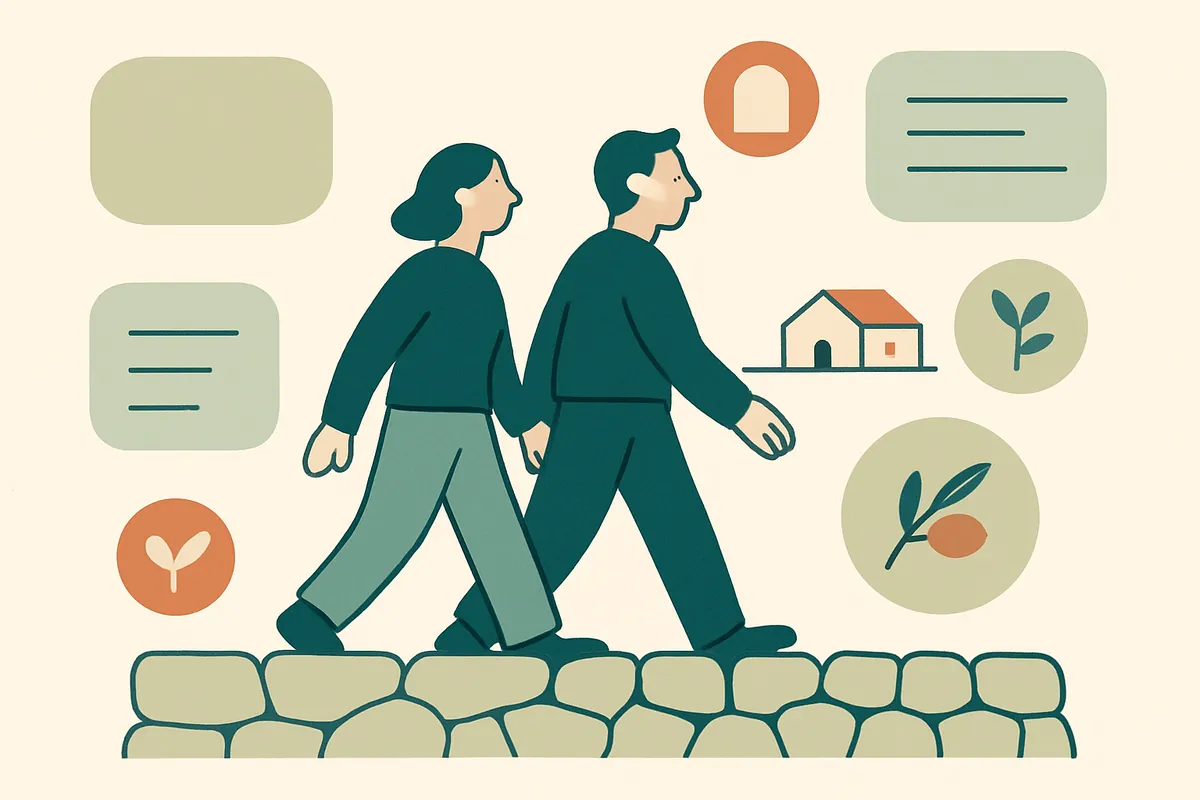
Both amitriptyline and alcohol are central nervous system depressants. A CNS depressant is a substance that slows brain and nerve activity. When you take two CNS depressants together, their effects add to one another rather than each operating independently. The official SmPC for amitriptyline states this directly in the interactions section: "Amitriptyline may enhance the sedative effects of alcohol, barbiturates and other CNS depressants." The same document notes, in the section on effects on the ability to drive: "These adverse effects can be potentiated by the concomitant intake of alcohol." In plain terms: amitriptyline already makes many people drowsy. Alcohol pushes that drowsiness further than you would expect from either substance alone. When two CNS depressants are taken together, the combined impairment is often greater than you might expect from either substance on its own.
The Effects of Mixing Amitriptyline and Alcohol
Amitriptyline already carries a side-effect profile that alcohol can worsen. The NHS lists common side effects of amitriptyline as including feeling sleepy, feeling dizzy, a dry mouth, constipation, and difficulty concentrating. Alcohol independently causes many of the same effects. The table below summarises what the research and prescribing information indicate: | | Effect | On amitriptyline alone | With alcohol added | Sedation | Common (especially early in treatment) | Significantly increased | Dizziness | Common | Increased; greater fall risk | Coordination | Mildly impaired at higher doses | More noticeably impaired | Reaction times | Slowed | Further slowed | Dry mouth / anticholinergic effects | Common | Alcohol dehydrates; effects worsened | Nausea | Possible, especially early | Alcohol is a gastric irritant; can worsen The interaction is clinically rated as significant. Avoiding alcohol altogether, particularly when you first start amitriptyline or when your dose is increased, is the guidance given in both the NHS and the official product information.
Why Driving and Operating Machinery Becomes More Dangerous
The NHS advises that during the first few days of amitriptyline treatment you should avoid driving, cycling, or using machinery until you know how the medicine affects you. This is because the sedation can be pronounced early on. Adding alcohol removes whatever margin of safety remains. If amitriptyline alone has already slowed your reactions, a modest amount of alcohol will compound that impairment. The driving standard in the UK is that it is an offence to drive if your ability to do so safely is affected, regardless of whether you are over the alcohol limit. If you are unsure, speak to your GP or pharmacist before driving.

Worried about your drinking?
Most people wait far longer than they needed to. A short, confidential conversation costs you nothing and will tell you where you actually stand.
The Risk in Overdose: Why Alcohol Makes It Significantly More Serious
This section covers clinical information that is important for patient safety. The official SmPC for amitriptyline is explicit about what happens in overdose: "The effects in overdose will be potentiated by simultaneous ingestion of alcohol and other psychotropic substances." The same document notes that severe toxicity can occur at doses above the therapeutic range. The reason alcohol makes amitriptyline overdose more serious is the same reason it makes everyday use more sedating: both substances depress the central nervous system, and in overdose the combined effect can push CNS depression to a level that impairs breathing and consciousness. The StatPearls clinical review notes that amitriptyline overdose can produce sedation, seizure, and coma, alongside cardiac complications including arrhythmias and QTc prolongation. If you or someone you know has taken a large amount of amitriptyline, with or without alcohol, call 999 immediately. Do not wait to see how things develop. If you have had thoughts of harming yourself, speak to your GP, call the Samaritans on 116 123, or call NHS 111 and ask for mental health support. All are available any time of day or night.
Is It Ever Safe to Have a Drink on Amitriptyline?
The NHS guidance is nuanced, not absolute. It says: "You can drink alcohol while taking amitriptyline, but it may make you feel sleepy." The advice to stop drinking until you see how the medicine affects you reflects the practical reality that the degree of sedation varies between individuals, particularly early in treatment. For someone on a low, stable dose of amitriptyline who drinks occasionally and in small amounts, the risk is real but lower than for someone drinking heavily or regularly. The risks are meaningfully greater in the following situations: - Early in treatment, before you know how much the medicine is affecting you - After a dose increase - If you are on a higher therapeutic dose for depression, rather than a low dose for pain - If you drink regularly or heavily - If you are older, where both alcohol and sedating medicines carry greater risk The guidance is not "you can never drink a single glass of wine." It is: know how the medicine affects you first, and keep alcohol intake low. If you are in any doubt, ask your prescriber or pharmacist. They will not judge you for the question.
What to Tell Your Doctor or Pharmacist
Before starting amitriptyline, it is worth being open with your prescriber about your alcohol use. This is not about being judged. It is relevant clinical information that affects prescribing decisions. If you drink regularly or heavily, your prescriber may: - Consider starting you on a lower dose and titrating more slowly - Choose a different antidepressant with a lower sedative profile - Discuss monitoring or support for alcohol use alongside the prescription - Advise additional safety precautions specific to your situation Your pharmacist can also give guidance. The NHS advises patients to "talk to your doctor or pharmacist if you're unsure whether it's safe for you to drive while taking amitriptyline." The same principle applies to alcohol more broadly. Pharmacists are accessible and will answer honestly. Telling your prescriber the truth about how much you drink is one of the most protective things you can do when starting any CNS-active medicine.

Still weighing it up?
Ask us the awkward questions: what it costs, what is included, and whether treatment abroad is genuinely the right call for your drinking.
When Depression and Alcohol Dependence Overlap
Depression and problematic alcohol use frequently occur together. For many people, alcohol becomes a way of managing low mood, insomnia, or anxiety before a diagnosis of depression is made or treated. This pattern is clinically important. A Cochrane review examining antidepressants for co-occurring depression and alcohol dependence, which analysed 33 trials involving 2,242 participants, found that the evidence for treating both conditions simultaneously is complex and that outcomes are better when both are addressed together rather than one being ignored. If you have been prescribed amitriptyline for depression and you are also drinking in a way that concerns you, the two are connected. Continuing to drink heavily while taking amitriptyline creates safety risks and may make the antidepressant less effective, because alcohol is itself a CNS depressant that may interfere with mood regulation over time. Our depression treatment pages cover the relationship between mood disorders and substance use in more detail. Specialist support for both conditions at the same time, which is what a dual-diagnosis programme provides, is generally a more effective path than treating them separately or sequentially.
If Alcohol Has Become Hard to Control
A course of amitriptyline can last months or years. If you are finding it genuinely difficult to reduce or stop drinking during that period, even knowing the medical guidance, that experience is worth paying attention to. For many people, the instruction to drink less while taking a medicine is straightforward to follow. For others, the prospect of cutting back produces real anxiety, or they find that they try and cannot manage it consistently. That gap between intent and outcome is one of the signals that alcohol may have become more than a social habit. This is not a judgement. It is information. The NHS describes alcohol dependence as a condition in which the body becomes used to functioning with alcohol present, making it physically and psychologically difficult to stop. The signals that dependence may be present include: drinking more than intended, being unable to cut down despite wanting to, continuing to drink when it is causing obvious problems, and experiencing discomfort when you try to stop. If any of these apply, our page on alcohol dependence covers what that means in practice. If you have found yourself asking Am I an alcoholic? you are already asking a question worth exploring honestly.
Getting Help With Alcohol: What Sierra Recovery Offers
Sierra Recovery is a small private residential clinic in the mountains of inland Andalucía, Spain. In partnership with PROMIS Clinics in the UK, we arrange medically supervised alcohol detox with an appropriate medical provider before admission, and provide the residential treatment that follows it for adults who are ready to stop drinking and want clinical support to do so safely. Where a medically supervised detox is needed, it is completed in hospital before you arrive. Sierra Recovery is a residential rehabilitation centre, not a detox unit. Alcohol withdrawal can be medically serious without proper supervision, and detox at Sierra is designed to manage that safely. Our residential treatment programme follows detox with evidence-based therapy, including CBT, DBT, and EMDR, delivered in a small group setting in our Andalusian cortijo. The clinical team is English-speaking throughout. Aftercare, including in-person sessions through PROMIS UK's London touchpoint, continues after you leave Spain. For many UK clients, the combination of a private clinical standard, a setting that offers genuine distance from a familiar environment, and a cost significantly lower than equivalent UK private treatment makes Sierra Recovery a serious option worth considering. Thinking about getting help with alcohol? Talk to our team in confidence. We answer questions about alcohol treatment honestly, in English. PROMIS Clinics-backed care, residential programme in Andalucía, London-based aftercare. English-speaking team. No obligation.
Sources
- NHS. "Amitriptyline for depression." https://www.nhs.uk/medicines/amitriptyline-for-depression/
- NHS. "Side effects of amitriptyline for depression." https://www.nhs.uk/medicines/amitriptyline-for-depression/side-effects-of-amitriptyline-for-depression/
- medicines.org.uk. "Amitriptyline 25mg Film-Coated Tablets, Summary of Product Characteristics (SmPC)." https://www.medicines.org.uk/emc/product/10850/smpc
- Brayfield A (ed). "Amitriptyline." StatPearls, NIH/NCBI Bookshelf. https://www.ncbi.nlm.nih.gov/books/NBK537225/
- Agabio R et al. "Antidepressants for the treatment of people with co-occurring depression and alcohol dependence." Cochrane Database of Systematic Reviews. 2018. https://www.cochranelibrary.com/cdsr/doi/10.1002/14651858.CD008581.pub2/full
Last reviewed 2026-07-25. Next review 2027-07-25.
Questions people actually ask
Can I have a drink while taking amitriptyline?
NHS guidance here is nuanced rather than absolute. It says you can drink alcohol while taking amitriptyline, but it may make you feel sleepy. The practical advice is to hold off until you know how the medicine affects you, then keep intake low. Risk is greater early in treatment, after a dose increase, on a higher dose for depression, if you drink regularly or heavily, and in older people.
Why does alcohol feel stronger on amitriptyline?
Both are central nervous system depressants, meaning they slow brain and nerve activity, and their effects add to one another rather than working independently. Amitriptyline also has significant antihistamine properties, which is why drowsiness is such a prominent feature of it. Adding alcohol pushes that drowsiness further than you would expect from either substance on its own.
Is it safe to drive after drinking on amitriptyline?
The NHS advises avoiding driving, cycling or using machinery during the first few days of treatment, until you know how the medicine affects you, because sedation can be pronounced early on. Alcohol removes whatever margin of safety remains. In the UK it is an offence to drive if your ability to do so safely is affected, whether or not you are over the alcohol limit.
What should I tell my doctor about my drinking?
Be open about how much you drink before starting amitriptyline. It is relevant clinical information, not grounds for judgement, and it affects prescribing decisions. Your prescriber may start a lower dose and titrate more slowly, choose a different antidepressant with a lower sedative profile, discuss support for alcohol use alongside the prescription, or advise extra precautions. Pharmacists will also answer honestly.
What if I cannot cut down my drinking while taking it?
That gap between intending to drink less and managing it consistently is worth paying attention to. Signals that dependence may be present include drinking more than intended, being unable to cut down despite wanting to, continuing when it is causing obvious problems, and discomfort when you try to stop. Depression and problematic drinking often occur together, and addressing both at once tends to work better.

 +
+
Talk to a clinician today
You will speak to our admissions team, English-speaking clinicians who know the programme and the people in it. Callback within 24 hours.
Registered health centre. Authorised by the Junta de Andalucía, N.I.C.A. 67331.