In Spain, a rehab is a health centre, and it has to be authorised and publicly registered to operate legally. That authorisation is granted by the health department of the autonomous community, it has to be renewed, and it can be looked up by anyone for free. It is the only thing on a rehab website you can independently verify before you hand over money or put someone you love on a plane, and it is the thing worth checking first. So that is what this list is built on. Every entry below states what the centre publishes about its own authorisation, in its own words, checked on 28 July 2026.
How this list was put together
Three rules, and one disclosure.
- Licensed only. Every centre here is either registered as a health centre in its region, or publicly states that it is. Centres that could not be placed in either category were left out rather than padded in to reach ten.
- What is published, not what is implied. Where a centre prints its register number, the number is quoted. Where it does not, the entry says so. Neither is a verdict on the centre; it is a statement about what you can check before you call.
- Years in operation count. Authorisation is renewable and inspected. A centre that has run for twenty or thirty years has been through that cycle repeatedly, which is a harder thing to fake than a website.
The disclosure: this list is published by Sierra Recovery, and Sierra Recovery is first on it. We are not pretending that is independent. What we can offer instead is that every factual claim about every centre below, including ours, is quoted from that centre’s own site and can be checked in a public register. No centre paid to appear here, no centre was left out for declining to pay, and we neither pay nor accept referral fees in either direction.
Where to check a Spanish rehab’s licence
Do this before the phone call, not after. It takes about two minutes.
| Region | What the number looks like, and where to search |
|---|---|
| Andalucía | N.I.C.A. number, searchable in SICESS |
| Comunidad de Madrid | CS- number in the regional register of health centres |
| Comunitat Valenciana | ACD/ number in the register of drug-dependency centres |
| Galicia | C-15- style number in the regional register |
| All of Spain | REGCESS, the national register kept by the Ministerio de Sanidad |
An authorised centre will give you its registration number and the register to search it in. Ask for both, starting with us. A company registration number, a VAT number, a professional association logo and a directory listing are all different things, and none of them is an authorisation to run a health centre.
Not just a licence, the right kind of licence: what U.71 means
This is the step almost everyone skips. A registration number tells you a centre is on the register. It does not tell you what the register authorises it to do, and those are two different questions.
Spain classifies healthcare units under one national scheme, set out in Real Decreto 1277/2003 (the royal decree of 10 October 2003 that sets the common rules for authorising health centres, services and establishments across the whole country, and creates the national register and catalogue). Health authorisation is devolved to each region, but the unit codes are the same everywhere, which is what makes them worth checking.
Each type of care unit carries a code. The one that matters for addiction is U.71, atención sanitaria a drogodependientes (healthcare for drug dependency). The decree defines it as a multidisciplinary care unit which, under the supervision of a qualified medical practitioner, provides prevention, treatment and rehabilitation services for drug dependency. That is the authorisation a residential addiction centre in Spain should hold.
So there are two questions, not one. Are you registered, and which units are you authorised for? A centre may be legitimately registered as something else entirely, a general medical practice, a psychology consultancy, a social care home, and be perfectly proper at what it actually does, while not being authorised to run a residential addiction programme. The register entry will say which.
One more thing U.71 is not: it is not a hospital licence, and it does not cover medically supervised detoxification. Any centre offering both a detox and a residential programme should be able to tell you which authorisation covers which part of your treatment, and where the detox physically happens. Ours is N.I.C.A. 67331 on the Andalusian register, authorised for the care unit U.71, which is why we complete any medical detox in a hospital setting before admission rather than on site.
Would it help to talk it through?
Our admissions team will help you work out what kind of treatment fits, and what to ask wherever you go. No obligation, and no referral fee is paid to anyone for sending you here.
Top 10 addiction treatment centres in Spain
1. Sierra Recovery
Humilladero, Málaga, Andalucía
Registration published
Registration as published: N.I.C.A. 67331, authorised by the Junta de Andalucía
Price: £9,900 for 28 days, published in full
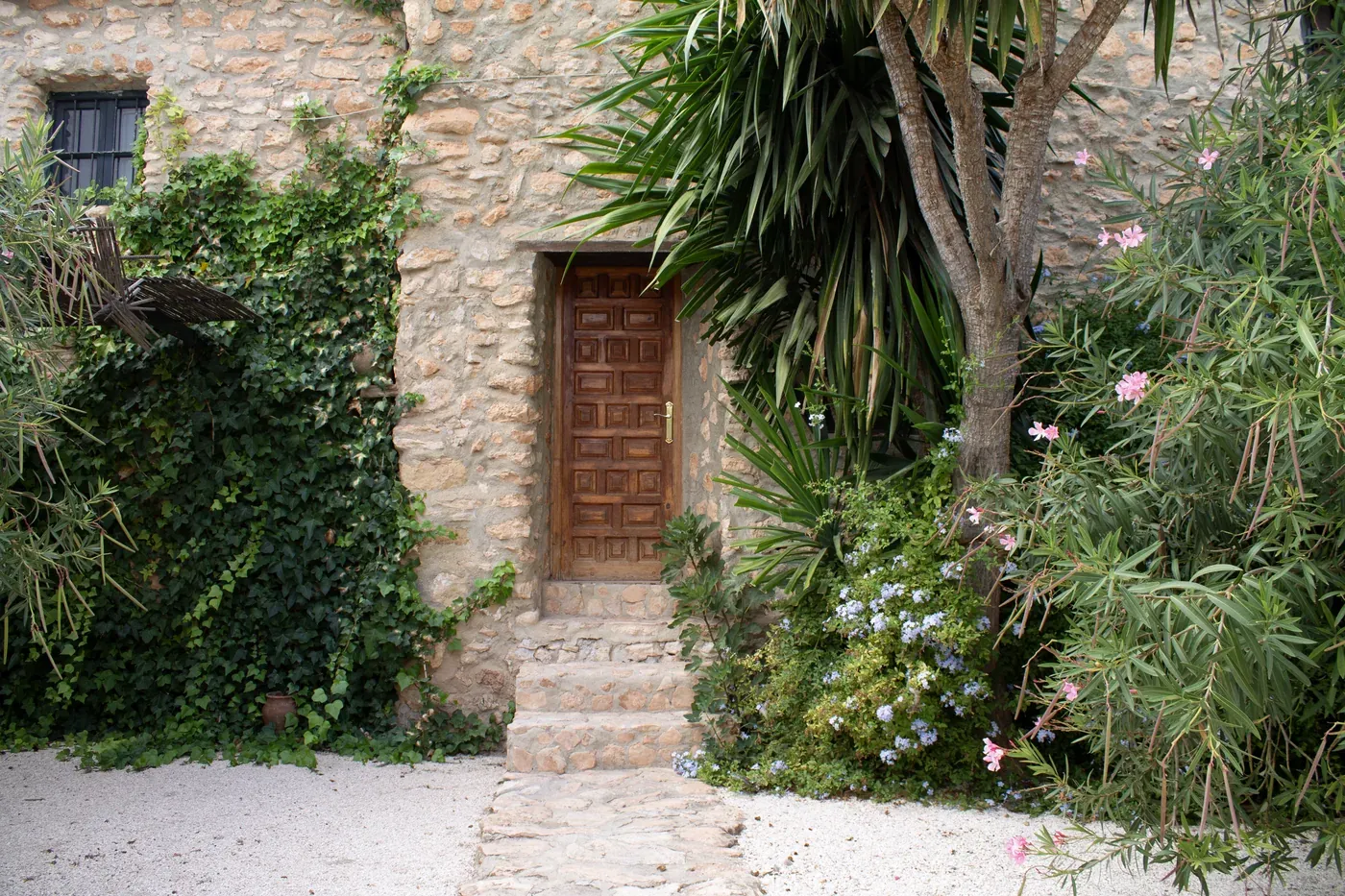
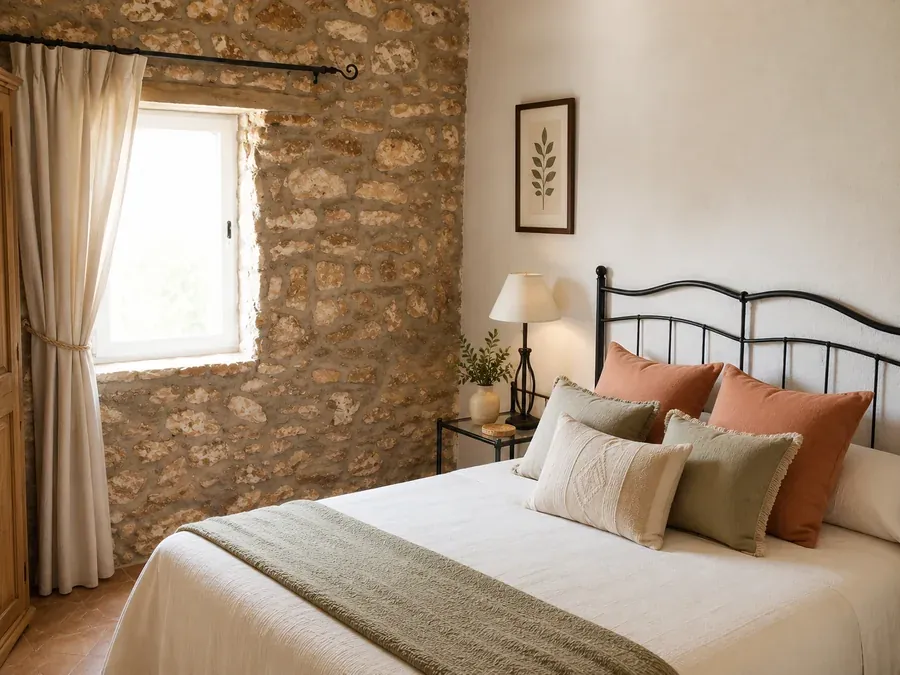
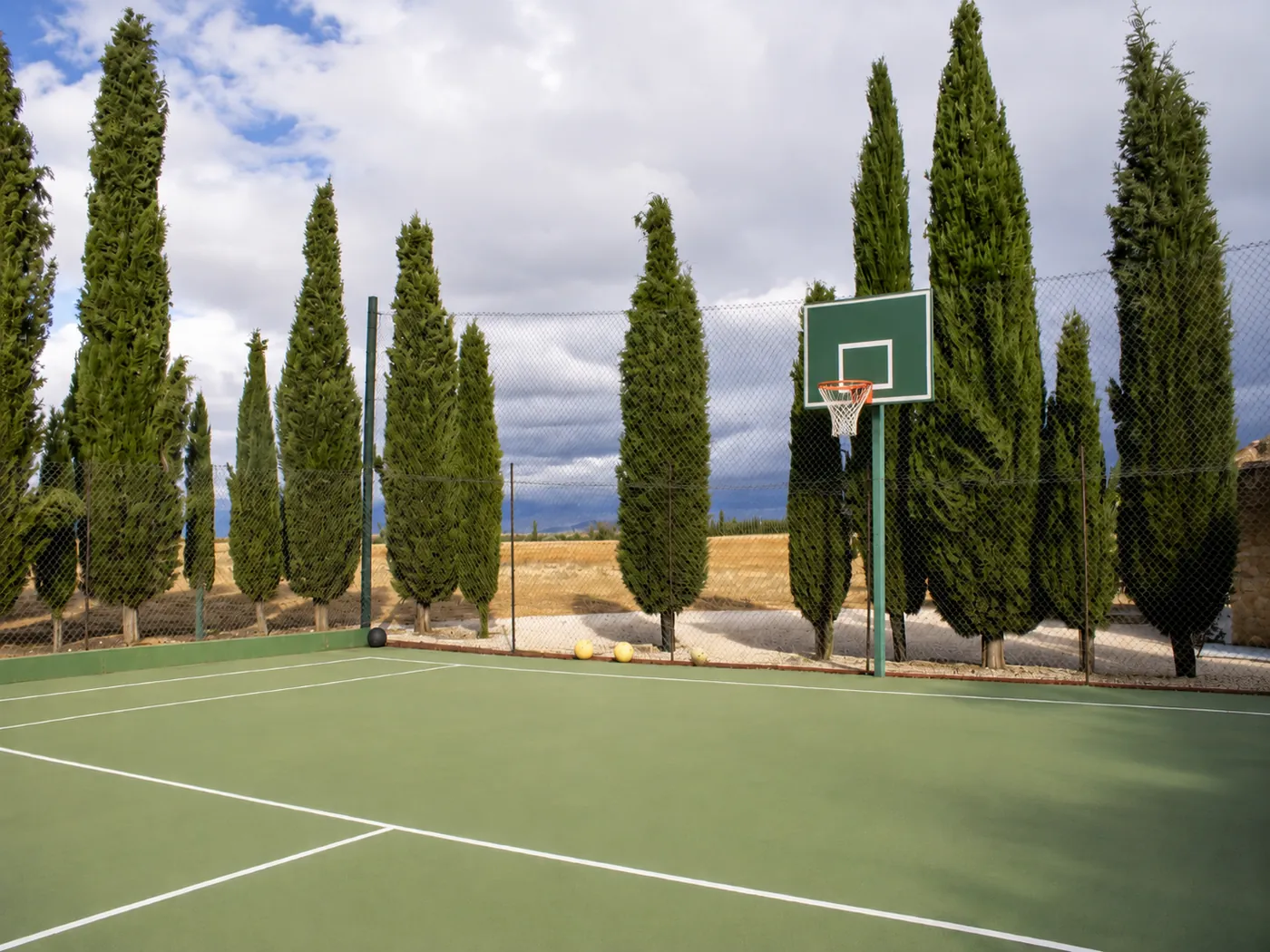
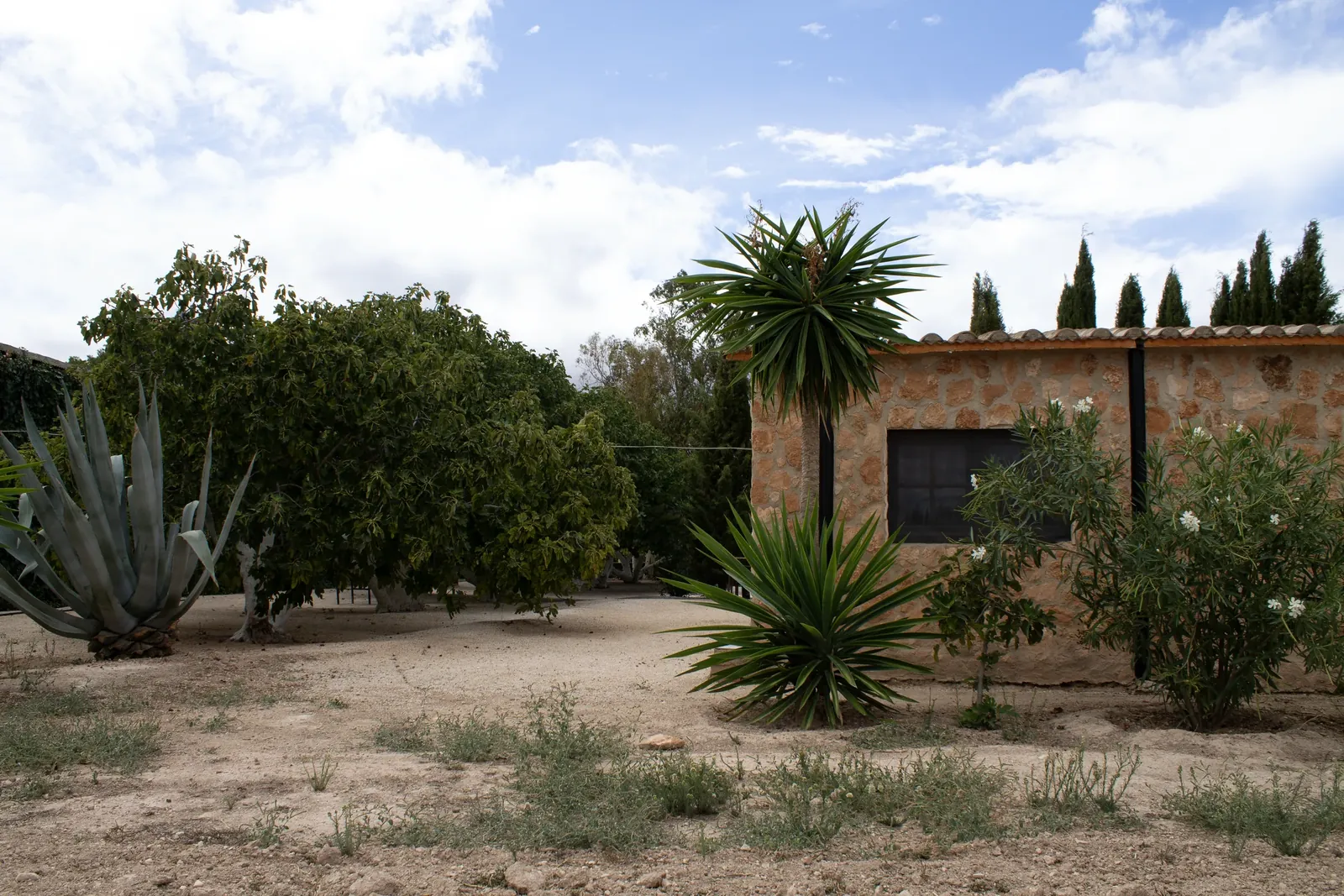
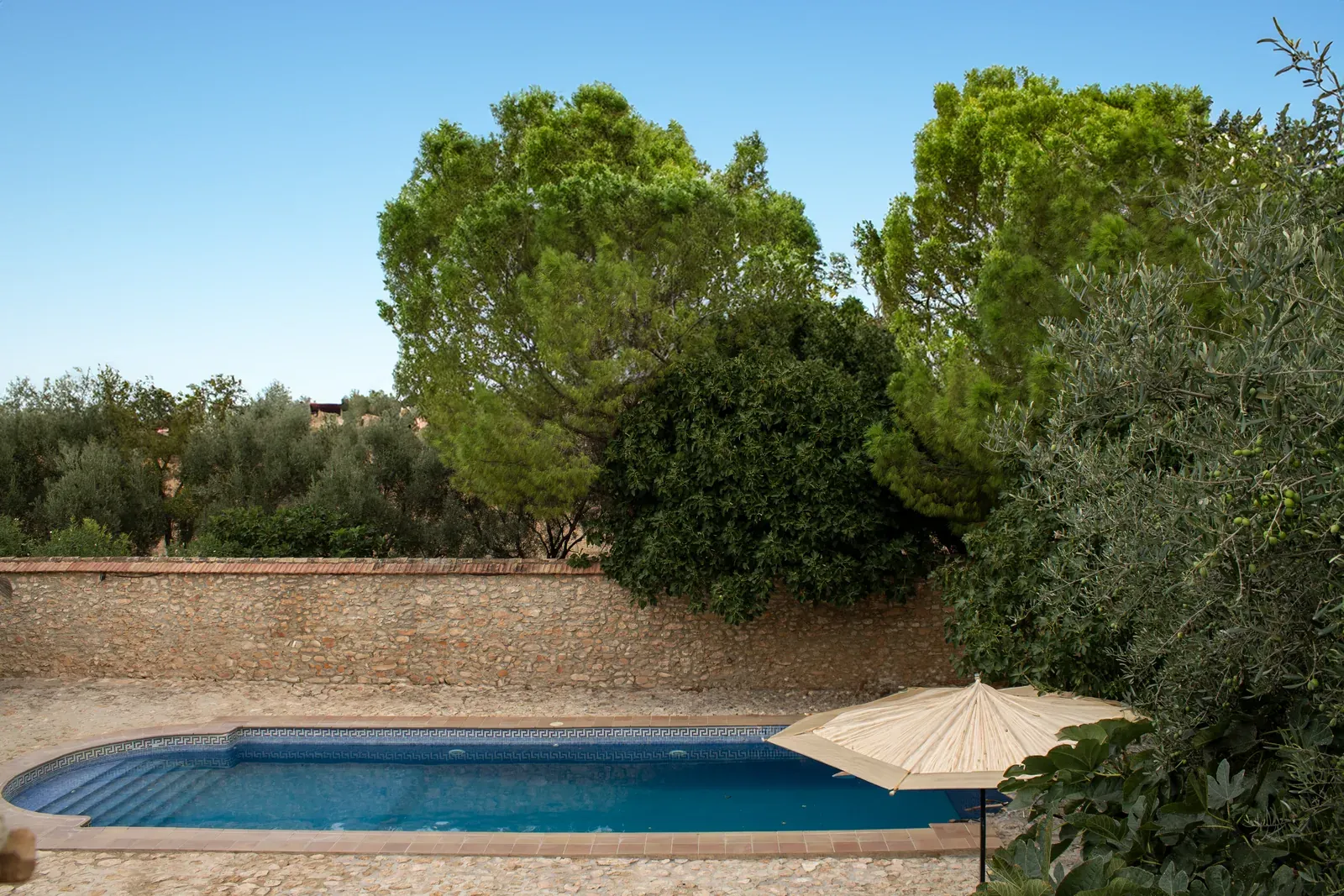
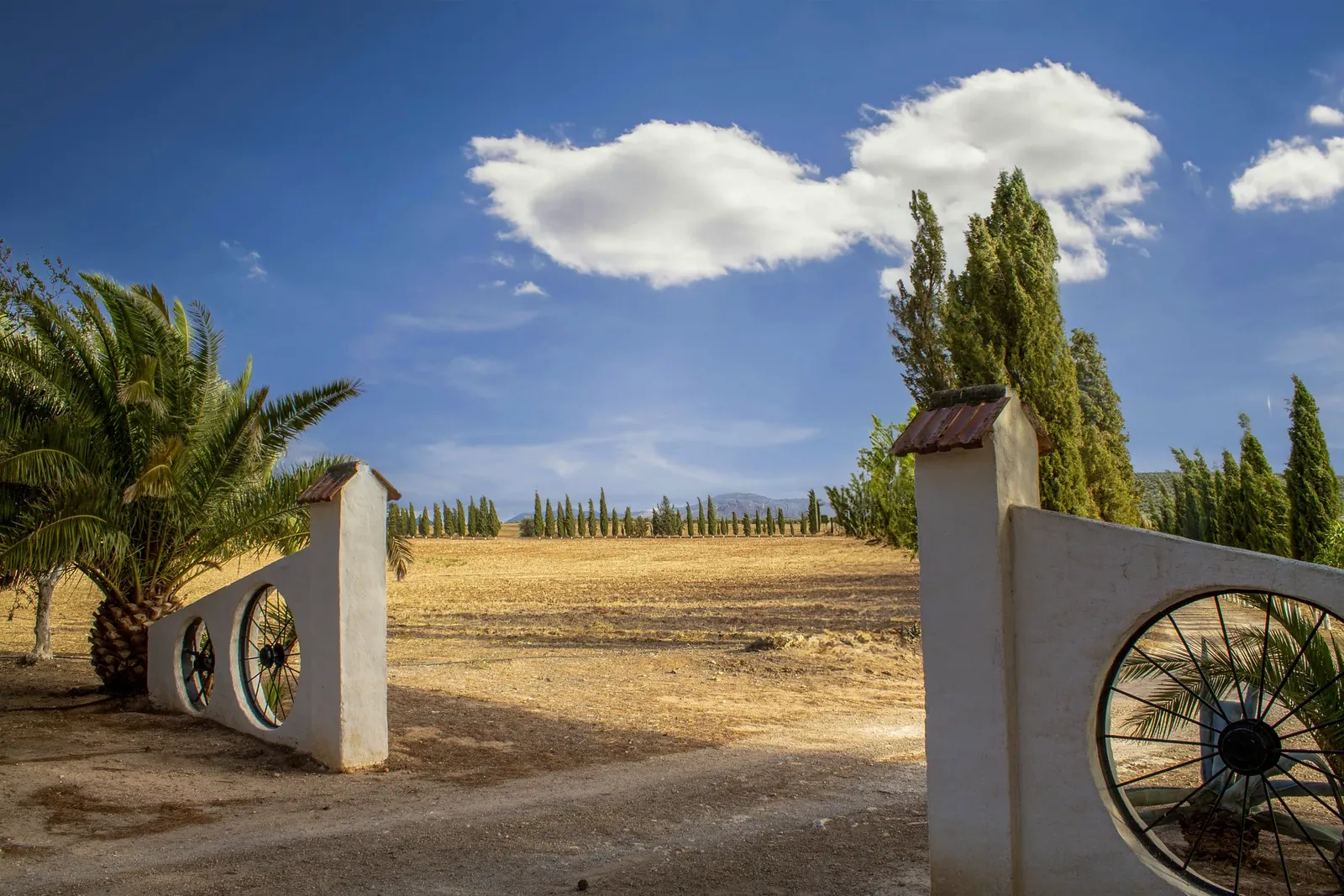
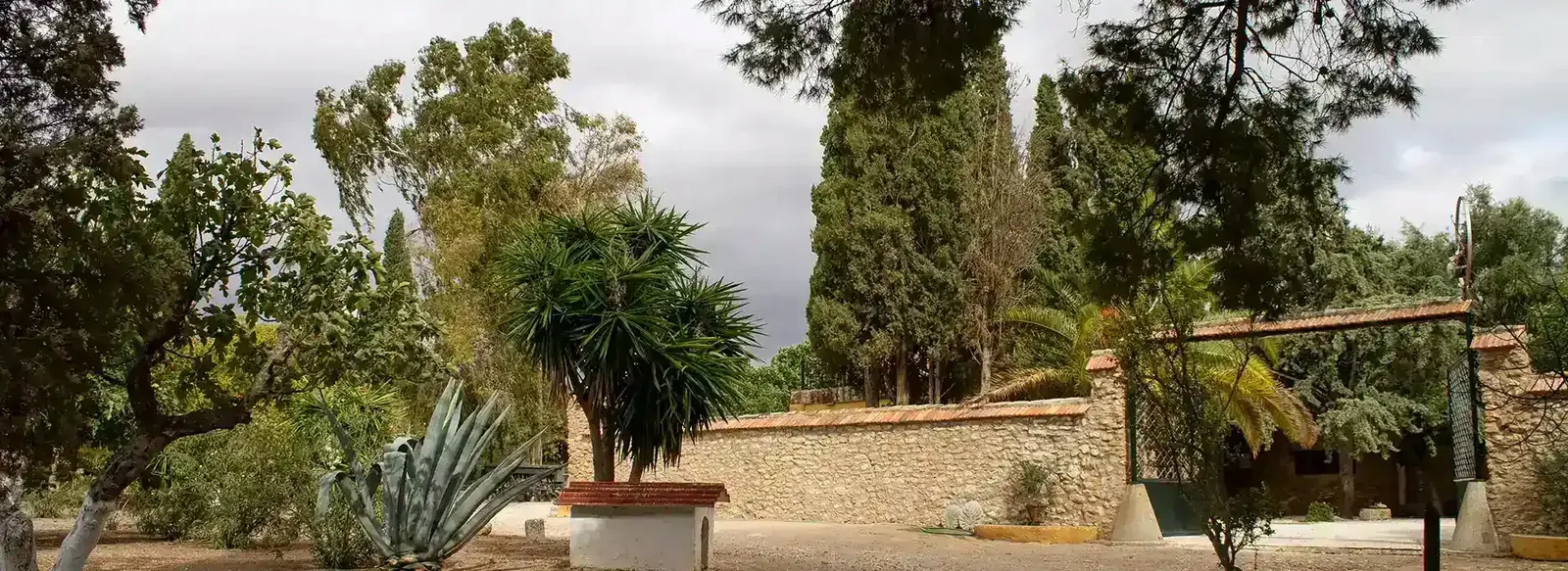
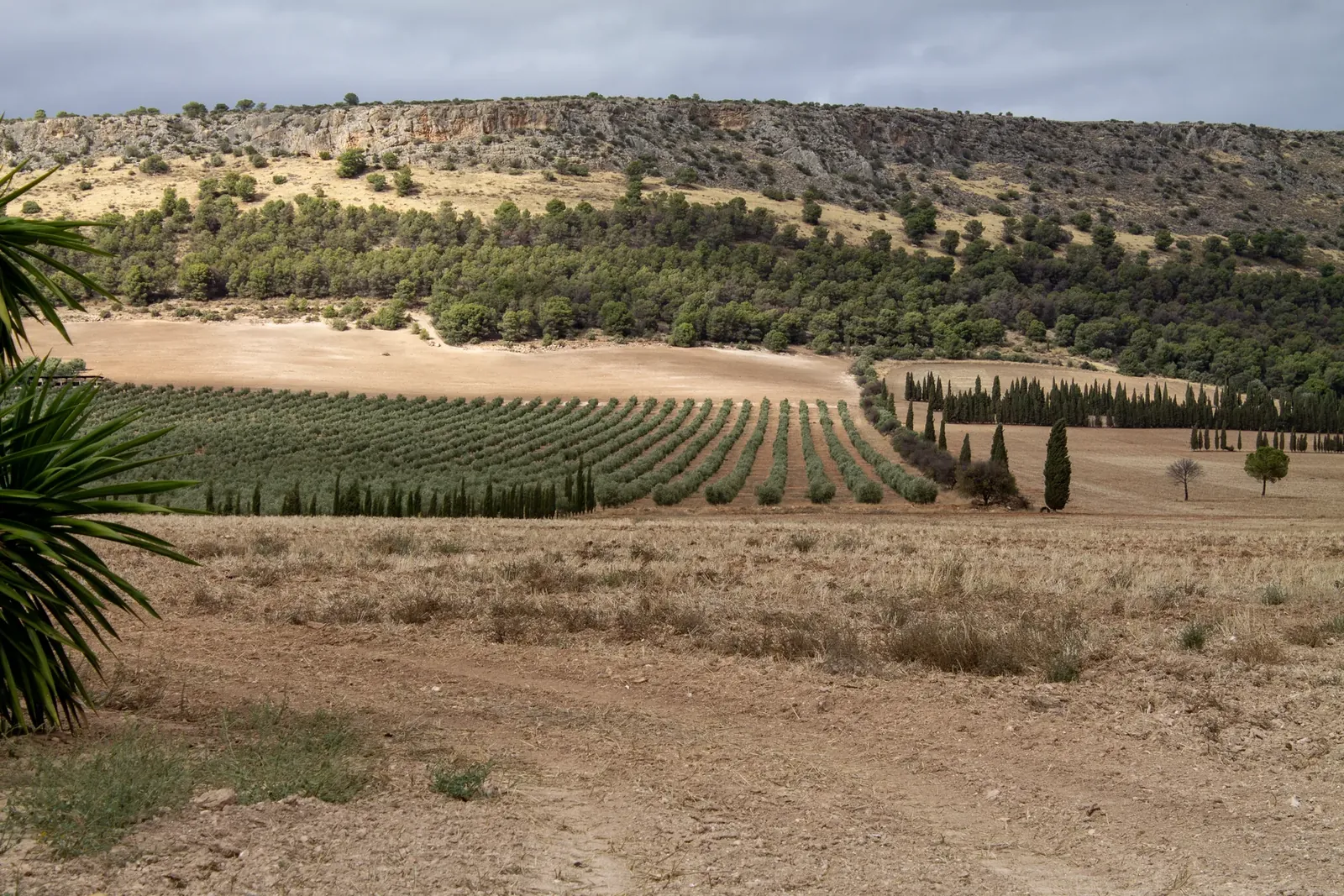
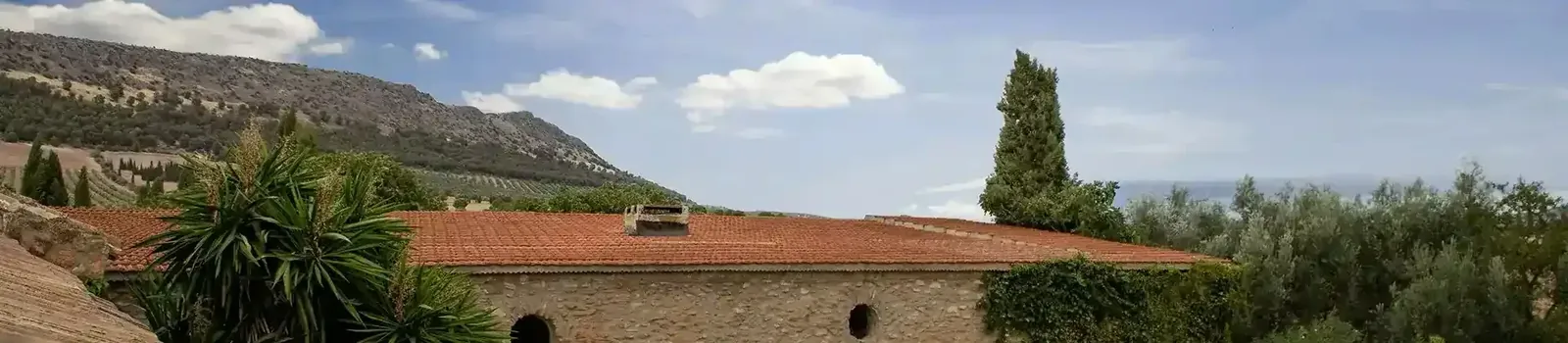
A small English-speaking residential programme in a restored cortijo on forty hectares of olive groves, forty five minutes from Málaga airport. Three structured therapy groups a day five days a week, individual therapy three times a week, and a seventeen-module psychoeducation curriculum adapted from the methodology of PROMIS Clinics in the United Kingdom.
What we would check: This is our own centre, and we have put it first, so treat the ranking as ours rather than as an independent verdict. What is not a matter of opinion is the registration number above, the published price, and that we neither pay nor accept a referral fee from anyone, in either direction. All three can be checked, and we would rather be judged on those than on adjectives. Sierra is not a hospital and not a detox unit: where a medically supervised withdrawal is needed it is completed in an appropriate medical setting before admission.
2. Guadalsalus
Gelves, Sevilla, Andalucía
Registered in Andalucía
Registration as published: Registered and authorised in Andalucía, displaying the N.I.C.A. mark. A long established Spanish centre working mainly with Spanish-speaking clients
Price: not published
A residential detoxification centre outside Seville with a separate outpatient service in the city, covering the full sequence from detox through rehabilitation to reintegration. Trading as Grupo Guadalsalus SL.
What we would check: Its own blog sets out that detox centres and therapeutic communities are health centres and have to be reauthorised by the health department every five years. Ask for the N.I.C.A. number directly.
3. UDH Vithas Guadalsalus
Alzira, Valencia, Comunitat Valenciana
Number not published, ask for it
Registration as published: Part of the Vithas hospital group; the unit does not publish a registration number on its own site, so ask for the ACD/ or hospital registration before you commit
Price: not published
A hospital addiction unit in the Aguas Vivas valley, about forty kilometres from Valencia, running a 21-day intensive programme in individual ensuite rooms. It treats substance addictions and behavioural addictions including gambling and compulsive technology use.
What we would check: Alone on this list, this unit runs hospital detoxification on its own premises, with continuous medical control and twenty four hour supervision. That is a clinical difference worth knowing about. If a medically supervised withdrawal is the first thing you need, a unit of this kind handles it on site, where a residential centre arranges it elsewhere first, and that includes us.
4. Clínicas CITA
Dosrius, Barcelona, Catalunya
Number not published, ask for it
Registration as published: Not published on the site; ask for the Generalitat de Catalunya authorisation before you commit
Price: not published
Four linked residential units in Dosrius plus an outpatient centre in Barcelona, run by a multidisciplinary team, with more than thirty years behind it, and a research arm of its own.
What we would check: Longevity of this order is itself a signal, because authorisation is renewed and inspected on a cycle. The authorisation number is not published on the site, so ask for it and the register it sits in.
5. Fundación Recal
Majadahonda and Madrid, Comunidad de Madrid
Registration published
Registration as published: States that all its centres are authorised by the Consejería de Sanidad and the Consejería de Asuntos Sociales of the Comunidad de Madrid
Price: not published; a non-profit, with means-related access
A non-profit foundation established in 2001, working on the Minnesota model: the twelve-step programme combined with medical, psychological and psychiatric treatment. Three months intensive, then nine months of graded reintegration, with supported flats in Pozuelo de Alarcón.
What we would check: Independently audited by Fundación Lealtad and subject to an annual external audit, so its finances are a matter of public record. If a twelve-step framework suits you and cost is the barrier, start here.
6. Instituto Castelao
A Coruña, Pontevedra, Málaga, Almería, Murcia and Guipúzcoa
Registration published
Registration as published: C-15-002325 in Oleiros, A Coruña, and N.I.C.A. 57301 and N.I.C.A. 60263 in Málaga province
Price: not published
A multi-site private provider working in four progressive phases, detoxification, habit-breaking, rehabilitation and reintegration, delivered largely by therapists who are themselves in recovery.
What we would check: Publishes a separate registration number for each of its sites, which is the right way round, because an authorisation covers a building and not a brand.
7. Orbium
Boadilla del Monte and Madrid, with a residential centre in Toledo
Registration published
Registration as published: CS-36800 in the Comunidad de Madrid register
Price: not published
An outpatient and residential provider using the Minnesota model alongside cognitive behavioural therapy, with the residential element at Valle del Chorro in Toledo and consulting rooms in Madrid and Barcelona.
What we would check: Registered in the Comunidad de Madrid register under the number above. As with any published success rate anywhere, including ours, ask how it is measured, over what period, and with what proportion of people traced at follow-up.
8. Llaurant la Llum
Picassent, Valencia, Comunitat Valenciana
Registration published
Registration as published: ACD/4002 in the Comunitat Valenciana register of drug-dependency centres
Price: not published
A long-established therapeutic community south of Valencia, run as a cooperative, offering residential detoxification and rehabilitation.
What we would check: Publishes its register entry in its legal notice, in the regional register for addiction services rather than as a company number. That is the entry to look for anywhere.
9. Proyecto Hombre
A national network, in most autonomous communities
Registration published
Registration as published: Each centre is authorised in its own region; the network is publicly funded in part and is a recognised part of the Spanish treatment system
Price: free or heavily subsidised
The largest non-profit addiction network in Spain, covering prevention, detection and treatment, with a strong emphasis on the family. Part-funded through the national drugs plan and the European Social Fund.
What we would check: If money is the obstacle, this is the answer, and we will point you to it ourselves. Waiting lists and entry criteria vary a great deal by province.
10. Fundación Salud y Comunidad
Therapeutic communities in several regions
Registration published
Registration as published: Its therapeutic communities operate within regional health and social care systems and are authorised accordingly
Price: free or subsidised, largely publicly commissioned
A non-profit with more than thirty years in addiction treatment, running therapeutic communities that take groups other services turn away, including parents with young children and people arriving from the criminal justice system.
What we would check: A joint follow-up study with the Universitat de Barcelona reported that around half of the people who completed treatment in its centres had not returned to drug use five years later. Treat that as encouraging rather than as a guarantee, and ask how many people were traced.
What none of these lists can tell you
A licence tells you a centre is legal. It does not tell you whether the treatment is any good, and the two are not the same question. Once you have confirmed the registration, the things worth asking are duller and more useful than anything in a brochure.
- Who treats me, and do they change? In a small centre the same clinicians should be with you from the first day to the last. Ask directly whether therapists rotate mid-stay.
- Does anyone earn a commission for sending me here? Referral fees are legal in Spain, so it is worth asking. Ask in writing whether anyone is paid for sending you, and how much.
- What is the detox arrangement? Most Spanish residential centres are not detox units. Where a medically supervised withdrawal is needed it usually happens elsewhere first, and it is usually billed separately. Find out which applies before you budget.
- What does the price actually include? Ask for an itemised written quotation, in writing, before admission.
- What happens when I go home? The month is the easy part. Ask what the aftercare is, who delivers it, whether it costs extra, and whether your GP receives a written handover.
Sources
Every centre entry is drawn from that centre’s own website and legal notice, checked on 28 July 2026. Registration numbers are quoted as published. The registers themselves are linked in the table above, and the national register, REGCESS, is maintained by the Ministerio de Sanidad.
Authorisations are renewed and contracts change hands, so a detail correct today may not be correct in a year. If you find something on this page that is out of date or wrong, including about another centre, tell us and we will correct it. Our editorial policy sets out how.
Questions people ask about rehab in Spain
Is rehab regulated in Spain?
Yes. A residential detoxification centre, a therapeutic community and an outpatient addiction service are all health centres under Spanish law. Each must be authorised by the health department of its autonomous community and entered on a public register, and the authorisation has to be renewed periodically. The national register, REGCESS, is kept by the Ministerio de Sanidad and is free for anyone to search.
How do I check whether a Spanish rehab is licensed?
Ask the centre for its registration number and the register it sits in, then look it up yourself. In Andalucía that is the N.I.C.A. number in SICESS, in Madrid a CS- number, in the Comunitat Valenciana an ACD/ number for drug-dependency services. Whichever region, the centre should also appear in REGCESS. A company registration number, a VAT number or membership of a trade body is not the same thing and does not substitute for it.
What does rehab cost in Spain?
Private residential treatment in Spain typically runs from around €5,000 to well over €28,000 for a month, and most centres do not publish a figure at all. Sierra Recovery publishes £9,900 for a 28-day residential programme with a private room included. Public and non-profit routes, including Proyecto Hombre, are free or heavily subsidised.
Are the centres on this list ranked independently?
No, and we would rather say so. Sierra Recovery wrote this list and put itself first. The order below the top entry reflects how much each centre publishes about its own authorisation, how long it has been operating and how clearly it states what it does and does not treat. The registration numbers are the part you should check for yourself, and every one of them is quoted from the centre’s own website.
Does a licence mean the treatment is good?
No. A licence is the floor, not the ceiling. It says the building, the staffing and the clinical governance have been inspected and authorised. It says nothing about whether the therapy is any good, whether the team stays with you from the first day to the last, or whether anyone earns a commission for sending you there. Those questions still have to be asked separately, and the answers should be given to you in writing.
Why do so many Spanish rehabs not publish a licence number?
In most cases because nobody asks. There is no obligation to display the number on a website, only to hold the authorisation. The problem is that the absence of a number looks identical whether a centre is fully authorised and simply has not published it, or is operating without authorisation. That is why this list separates the two, and why you should ask.
Talk to a clinician about treatment in Spain
You will speak to our admissions team, all of them clinicians. We will tell you honestly whether Sierra fits, whether another centre on this list fits better, or whether a free service closer to home is the right place to start.
 +
+
Talk to a clinician today
You will speak to our admissions team, English-speaking clinicians who know the programme and the people in it. Callback within 24 hours.
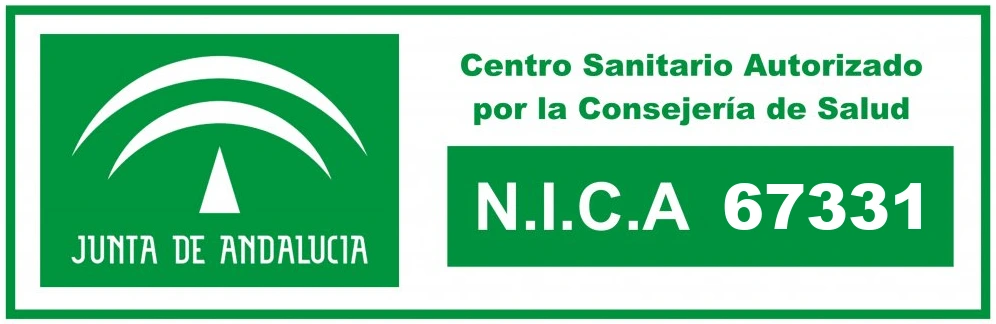
Registered health centre. Authorised by the Junta de Andalucía, N.I.C.A. 67331.