Home / Cost of rehab / Netherlands
The cost of rehab in the Netherlands
How Much Does Rehab Cost in the Netherlands?
What addiction treatment actually costs in the Netherlands, from free helplines to insured GGZ care where you pay only the eigen risico, and where private or overseas treatment genuinely fits, with real services and sources.
Checked for accuracy on 28 July 2026. Next review due July 2027. This page is general information about our programme and is not a substitute for advice about your own situation.
In the Netherlands, most addiction treatment costs you the eigen risico and little else. Verslavingszorg at a recognised GGZ institution is covered by the basisverzekering, so with a referral from your huisarts you generally pay only the compulsory deductible, €385 in 2026, and nothing further for the treatment itself, medication or an inpatient stay at a provider contracted with your insurer. That makes the Netherlands one of the least expensive countries in Europe in which to get serious help for alcohol addiction or drug addiction. Paying privately is rarely necessary here, and the honest reasons people still look elsewhere are waiting times, wanting treatment in English, or wanting real distance from home. Below is the picture on rehab costs in the Netherlands, in order.
Stopping alcohol or benzodiazepines abruptly can be dangerous if you are physically dependent, and severe withdrawal can cause seizures. Get medical advice first. In a life-threatening emergency in the Netherlands call 112. Otherwise speak to your own huisarts, or the huisartsenpost for urgent out-of-hours advice.
The cost of rehab in the Netherlands, in order
The honest starting point is that the cheapest effective step is usually free, and the second cheapest is already covered by the insurance you are legally required to hold. The Netherlands funds addiction care through the basisverzekering rather than out of your pocket, so unlike most of Europe the question here is rarely how much rehab costs. It is how long you wait, which language you are treated in, and whether staying in your own environment helps or hinders you.
Free and insured options in the Netherlands
Start here. These are free, or covered by insurance you already pay for, and for a great many people they are the right first step and the only step needed.
| Service | Language / area | Type | Setting | Cost | Access |
|---|---|---|---|---|---|
| Drugs Infolijn Trimbos-instituut, funded by the Ministry of Health (VWS) | Dutch, nationwide | Public information line | Phone, chat, email | €0.10 / min | 0900-1995, Mon–Fri 09:00–17:00 |
| Alcoholinfo.nl information and self-help on drinking | Dutch, nationwide | Public information | Online, self-tests | Free | alcoholinfo.nl |
| Your huisarts (GP) the gateway to insured GGZ treatment | Nationwide | Insured | Community | Covered, after eigen risico | Your registered huisarts |
| Regional GGZ addiction services Jellinek, Brijder, Tactus, Novadic-Kentron, Mondriaan, IrisZorg, VNN, Antes | By region | Insured specialist care | Outpatient & inpatient | Covered, after eigen risico | Referral from your huisarts |
| AA & NA meetings | Nationwide, some English | Mutual aid | Peer | Free | aa-nederland.nl · na-holland.nl |
Information checked 27 July 2026. The Drugs Infolijn is run by the Trimbos-instituut with funding from the Ministry of Health, Welfare and Sport. Your huisarts is the route to insured specialist care: a referral from the huisarts, bedrijfsarts or a medical specialist is what unlocks reimbursement under the basisverzekering. Mutual-aid groups run alongside any care at no cost.
Who each service is for
The Drugs Infolijn gives anonymous, confidential information and advice about drugs and alcohol, by phone, chat or email, and can point you towards local services; it is an information line rather than a treatment service. Your huisarts is the single most important step, because a referral from them is what makes specialist addiction treatment reimbursable under the basisverzekering. The regional GGZ addiction institutions are the backbone of Dutch treatment: eight of them, each covering a region, delivering outpatient programmes, day treatment and inpatient admission, all insured. AA and NA run free meetings across the country, including some in English, and matter for aftercare and relapse prevention once structured treatment ends. For most people in the Netherlands this combination is genuinely all that is needed, and none of it requires paying privately.
Private and residential rehab in the Netherlands: the honest reality
The Netherlands does have residential addiction treatment, and most of it is insured rather than private. Clinics that many people assume are private, such as SolutionS in Voorthuizen, are recognised GGZ institutions whose admissions are billed to your health insurer, not to you. That is the key difference from most of Europe: an inpatient stay at a contracted provider generally costs you the €385 eigen risico and nothing more. A genuinely self-pay luxury market exists but is small, and those providers rarely publish their fees, so we are not going to invent a range for them. Ask any self-pay clinic directly, in writing, what the total is and what it includes.
Two things do cost you something real in the Dutch system, and they are worth naming. The first is waiting time: each provider publishes its own wachttijden, they vary by region and by treatment, and for specialised programmes they can be long. The second is language: insured Dutch treatment is delivered in Dutch, and if you want a programme in English your options inside the Netherlands narrow sharply. Those two factors, not price, are the honest reasons a Dutch reader might look abroad.
What you actually pay, by route
| Route | What you pay | Notes |
|---|---|---|
| Helplines, self-help, AA / NA | Free (Infolijn €0.10/min) | No referral needed |
| Outpatient GGZ treatment | €385 eigen risico | Referral from huisarts, contracted provider |
| Inpatient GGZ admission | €385 eigen risico | Treatment, medication and stay covered |
| Non-contracted provider | Part of the bill | Insurers reimburse less; check before you start |
| Self-pay private clinic | Not publicly published | Ask in writing for the total and what it includes |
Figures dated 27 July 2026. The eigen risico is the statutory deductible, €385 for adults in 2026 and nil under 18. It is charged once per calendar year across all your care, not per treatment, so if you have already used it on something else, insured addiction treatment can cost you nothing further. Reimbursement is highest at providers contracted with your own insurer, so check that first.
What changes the bill, then, is not the therapy but the paperwork: whether your provider is contracted with your insurer, whether you have a valid referral, and whether you have already used your eigen risico this year. Those three questions are worth settling with your insurer before you start, because they decide almost everything you will pay. Beyond that, judge a programme on whether it includes medical detox where you need it, individual as well as group therapy, and a real aftercare plan.
Considering residential treatment abroad?
Sierra Recovery, Málaga, Spain

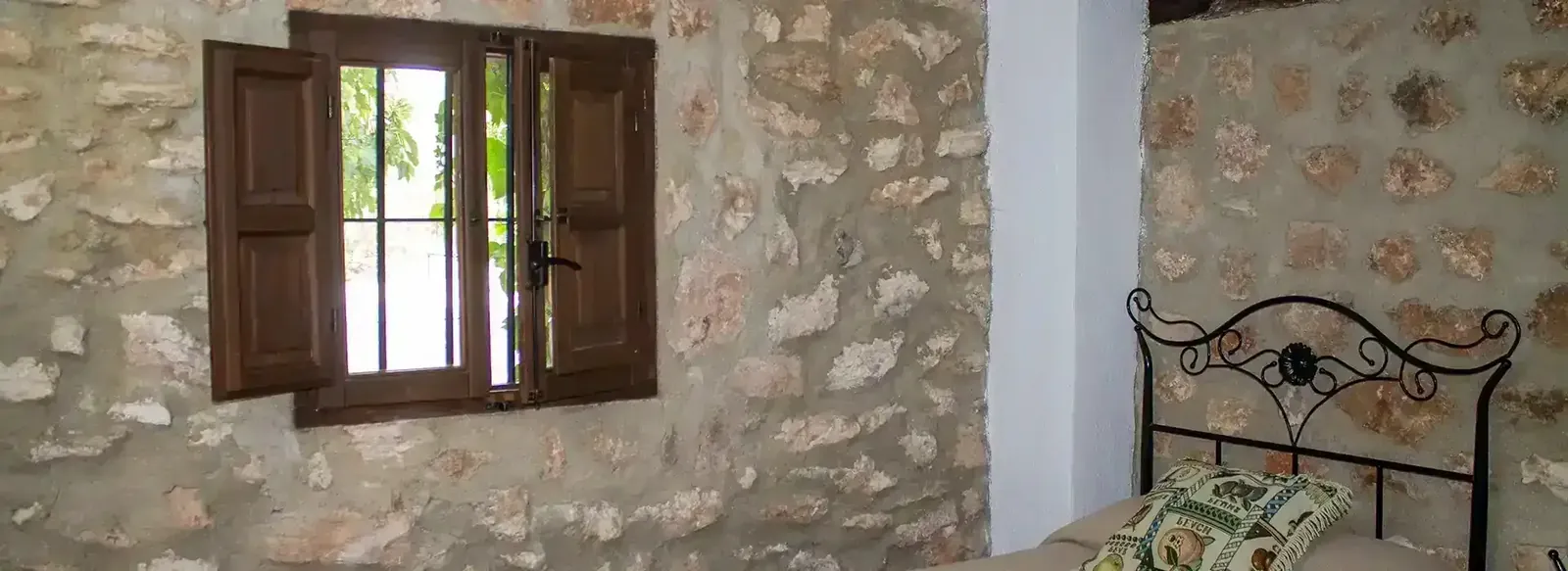
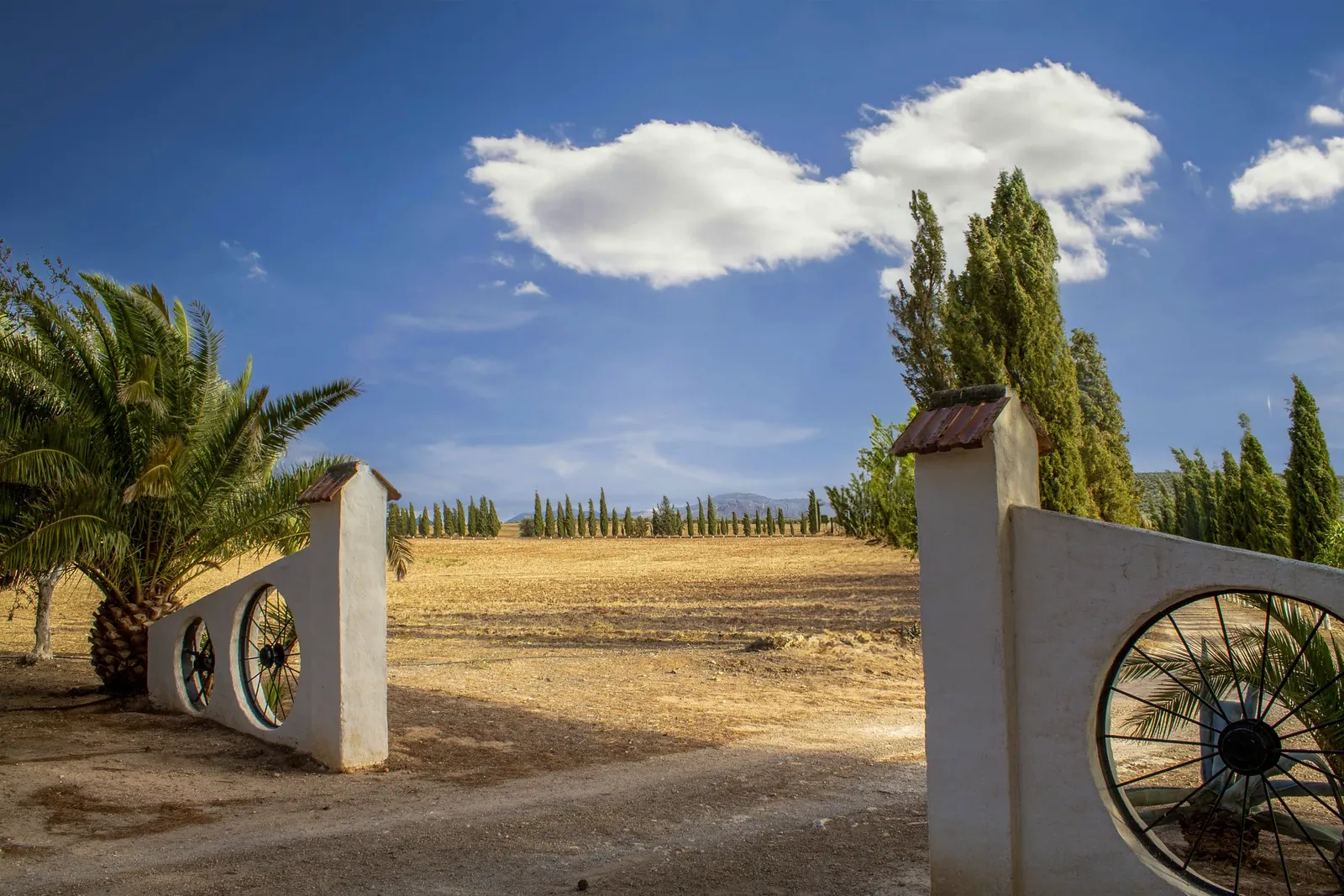
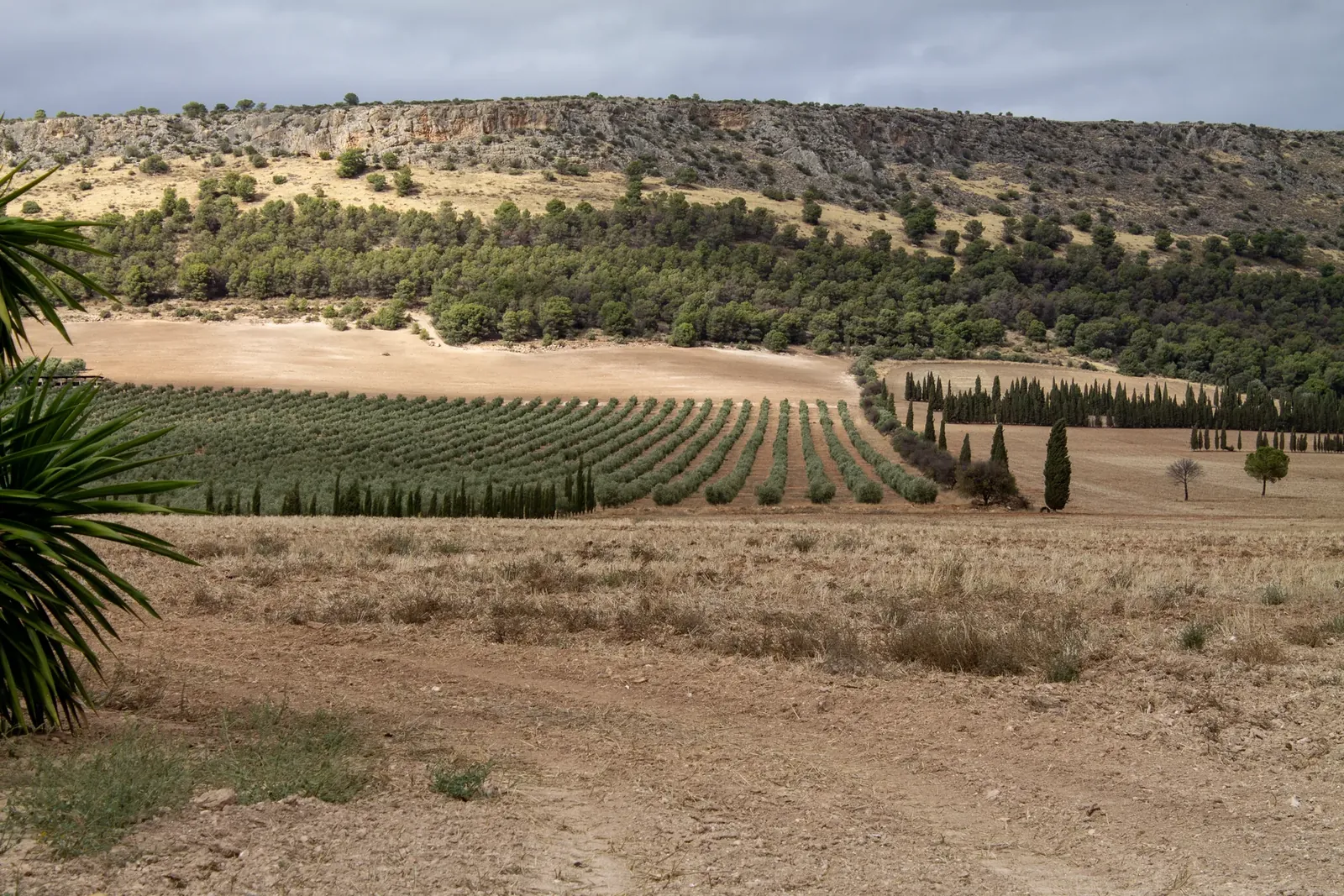
We are a registered health centre in Humilladero, Málaga, entered with the Junta de Andalucía (NICA 67331), treating in English. Our programme is £9,900 for 28 days, a published price for a fixed length of stay, private room accommodation included (roughly €11,000–€12,000 depending on the exchange rate). We are a rehabilitation centre, not a hospital or a detox unit: where a medically supervised detox is needed it is completed elsewhere, in an appropriate medical setting, before admission, and qualified nurses are part of the team during your stay. Any hospital detox is billed separately. Our clinical work follows the Regulation Model used by PROMIS Clinics in the UK since 1986, directed by Nerea Encinas Sánchez, and we pay no referral fees, so every pound goes to treatment rather than to a broker.
Choosing the right rehab option for you
Start with your huisarts if you are unsure about your drinking or drug use. It costs you nothing beyond the eigen risico, it is the fastest route to a proper assessment, and it is the step that makes everything after it reimbursable. The insured GGZ route, through one of the eight regional addiction institutions, is the right choice for the large majority of people in the Netherlands, including for residential admission, and you should exhaust it before you consider paying for anything. Look abroad only if you have a specific reason: a waiting time you cannot safely wait out, a genuine need for treatment in English, or a situation at home that makes staying in it the thing that keeps you using. Use AA or NA alongside whatever you choose, and judge success by your health and your relationships, not by what you paid.
If, after all of that, an English-speaking programme abroad still feels like the right fit, the clearest next steps are the published cost on our pricing page and a confidential conversation through admissions, where we will tell you honestly if we think a Dutch route would serve you better.
Sources and verification
- Drugs Infolijn, Trimbos-instituut, 0900-1995, Mon–Fri 09:00–17:00
- Trimbos-instituut, national knowledge institute for mental health and addiction
- Vergoeding verslavingszorg 2026, cover for addiction care under the basisverzekering
- Jellinek wachttijden · Tactus · Brijder · Novadic-Kentron, published waiting times
- Regional addiction institutions, which service covers which region
- Junta de Andalucía register, Sierra Recovery, NICA 67331 · Sierra pricing
All figures dated 27 July 2026. The eigen risico, contracted-provider lists and waiting times are set annually and change. Confirm every detail with the provider, your huisarts and your zorgverzekeraar before you rely on it.
Questions people ask
How much does rehab cost in the Netherlands?
For most people, the eigen risico and nothing more. Addiction treatment at a recognised GGZ institution is covered by the basisverzekering, so with a referral from your huisarts you pay the statutory deductible, €385 in 2026, and the treatment, medication and any inpatient stay are covered at a provider contracted with your insurer. Helplines, self-help resources and AA or NA meetings are free. A small self-pay private market exists but rarely publishes its fees.
Is addiction treatment free in the Netherlands?
Almost. It is insured rather than free: you pay the compulsory eigen risico of €385 a year, which applies across all your healthcare rather than per treatment, and everything beyond it is covered at a contracted provider. If you have already used your deductible on other care that year, insured addiction treatment costs you nothing further. Under 18s pay no eigen risico at all.
Do I need a referral to get addiction treatment?
Yes, for it to be reimbursed. A referral from your huisarts, bedrijfsarts or a medical specialist is what unlocks cover under the basisverzekering. You can call the Drugs Infolijn on 0900-1995 for information without any referral, and AA and NA meetings need no referral either, but specialist GGZ treatment does.
How long are the waiting lists?
It varies by provider, region and treatment type, and there is no single national figure. Each of the eight regional addiction institutions publishes its own wachttijden, and Jellinek, Tactus, Brijder and Novadic-Kentron all list theirs online. Waits for specialised programmes tend to be longer than for a first intake. Check the specific service you are being referred to rather than relying on a national average.
Why would someone from the Netherlands go abroad for rehab?
Rarely for price, because Dutch insured care is cheaper than anything abroad. The honest reasons are a waiting time that feels unsafe to sit through, wanting to be treated in English, or needing real distance from the people and places tied to using. If none of those apply to you, the Dutch route is very likely the better one.
Is treatment abroad covered by my Dutch insurance?
Generally not in the way domestic care is. Cover for planned treatment outside the Netherlands depends on your policy and on prior authorisation from your insurer, and self-pay clinics abroad are usually not reimbursed at all. Ask your zorgverzekeraar in writing before you commit to anything, and never assume a foreign clinic is covered because a Dutch one would be.
 +
+
Talk to a clinician today
You will speak to our admissions team, English-speaking clinicians who know the programme and the people in it. Callback within 24 hours.
Registered health centre. Authorised by the Junta de Andalucía, N.I.C.A. 67331.
What rehab costs elsewhere
Or read what a stay actually costs, country by country, and what Sierra Recovery charges.