Between 2019 and 2020, it was estimated that 608,416 adults in England were dependent on alcohol. This makes for a dependency rate of roughly 13.8 people per 1,000.
This makes quitting alcohol a major priority for many people. But not everyone knows how to best reduce alcohol use, especially since withdrawal symptoms can include alcohol cravings. Knowing how to stop alcohol cravings is important to those who want to quit drinking and be sober.
Understanding Alcohol Cravings
Alcohol cravings often hit as sudden mental or physical urges that are difficult to overcome. There’s a combination of brain chemistry, emotions, and old patterns of alcohol addiction that can make recovery difficult and contribute to alcohol cravings.
What Are Alcohol Cravings?
Cravings for alcohol can feel like a deep, almost physical need to drink. Sometimes they are subtle and can surprise you. Other times, they are overt.
Common triggers include:
- Stress or anxiety
- Social pressure
- Boredom or loneliness
- Environmental cues, like pubs or advertisements
The Science Behind Cravings
Cravings affect your brain’s reward system. When you drink, your levels of dopamine increase, and you feel euphoric. After consistent alcohol use, your brain expects that reward, so you start craving alcohol even when you didn’t set out to drink.
Repeated drinking rewires brain pathways tied to memory, motivation, and stress, so just seeing or smelling alcohol can set off a strong urge.
Why Cravings Occur During Sobriety
Even after quitting alcohol, cravings can persist. Your brain and body need time to adjust to life without alcohol. Old routines and feelings can still trigger cravings. Walking past a favourite bar or feeling stressed might trigger memories of drinking.
Identifying and Managing Alcohol Cravings
Spotting what sets off your cravings is half the battle. Once you know your emotional and environmental triggers, you can prepare for them and avoid a relapse more easily. Journaling and reflecting regularly can help you track your mood and identify your triggers.
Internal Triggers and Emotional Cues
Internal triggers are emotions, thoughts, or physical sensations that make you want to drink. Stress, loneliness, boredom, and anxiety can all be internal triggers. If you can notice these patterns, you can plan better responses. Maybe you notice you always crave a drink when you’re anxious; you could try exercise, deep breaths, or just talking to a friend instead.
External Triggers
External triggers are triggers in your environment: people, places, or situations tied to drinking. Think pubs, parties, or even a particular time of day. You can avoid some of these by planning ahead.
Take a different route home, associate with supportive friends, or choose activities that don’t revolve around alcohol. Avoiding triggers doesn’t mean hiding out from the world. It’s about creating healthier routines.
Tracking and Analysing Triggers
If you want to know how to stop alcohol cravings, writing down your triggers helps you identify patterns and see progress. Journaling doesn’t have to be elaborate; just jot down when cravings hit, what was happening, how strong the urge was, and what you did about it. Check your notes every week or so. Notice what keeps repeating and which strategies help. Over time, this can make cravings feel less intimidating.

Immediate Coping Strategies to Manage Cravings
When a craving appears, you don’t have to just hope for the best. There are a few practical steps you can try right away to help you manage them. Some of these include:
Distract Yourself Effectively
Distraction can help reduce your cravings and is an important part of knowing how to stop alcohol cravings. Physical activity, in particular, can boost your mood and lower tension.
Keep a quick list of distractions handy for when cravings pop up. Maybe:
- Listen to music
- Read a few pages
- Play a quick game
- Do a bit of exercise
Deep Breaths and Relaxation Techniques
Cravings can feel worse when you’re tense. Slow, deep breaths help calm your nerves. Try breathing in through your nose for four seconds, hold for two, then exhale through your mouth for six. Repeat a few times until you feel your heart slow down.
Delay and Urge Surfing Methods
Cravings come and go in waves. Instead of fighting them, you can “surf” them by observing the urge to drink rise and fall. This urge surfing technique helps you realise that cravings pass if you don’t give in.
When you feel an urge, tell yourself you’ll wait ten minutes before doing anything. In the meantime, focus on breathing or something calming. Most of the time, the craving will fade before the timer’s up.
Drink Refusal Skills
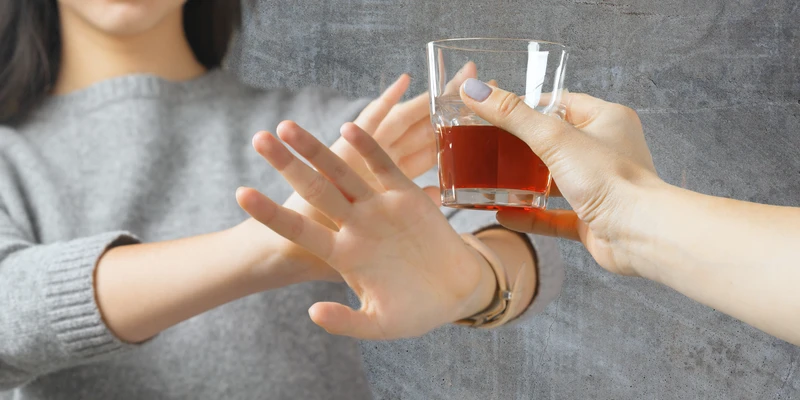
Being able to say “no” without guilt is a skill. Make eye contact, keep your voice steady, and say something simple like, “No thanks, I’m not drinking tonight.” Then change the subject or suggest something else to do.

Long-Term Approaches to Stop Drinking Alcohol
If you really want to know how to stop alcohol cravings, understand that sobriety isn’t about willpower; it’s about structure, self-awareness, and finding your people. Building healthy routines, practising mindfulness, and having ongoing support all make a difference.
Building Healthy Routines
Daily habits give you a sense of stability and fill up time that might otherwise lead to cravings. Try sticking to a regular sleep schedule, eating balanced meals, and planning activities that boost your wellbeing. Even a simple walk can help your mood. Picking up new interests can fill gaps left by drinking.
Meditation and Mindfulness Practices
Meditation can help you notice cravings without acting on them. Focusing on your breath or body sensations can help you pause before reacting.
Mindfulness practices can lower stress and boost emotional awareness. When a craving hits, try a few slow breaths and just sit with the feeling. Over time, this helps you respond thoughtfully instead of impulsively.
Support Groups
Support groups put you in touch with folks who understand detox and addiction recovery. Groups, like Alcoholics Anonymous, offer accountability and encouragement. By joining these groups, you get to share experiences, pick up new tools, and keep your motivation up.

Creating a Personal Recovery Toolkit
Understanding how to stop alcohol cravings and building a personal recovery toolkit is about having what you need, when you need it. It’s a mix of practical tools that help you handle cravings, stay focused, and keep your commitment to sobriety strong.
Journalling for Self-Awareness
Journalling is a simple way to keep track of your thoughts, moods, and triggers. Jotting down what you’re feeling before, during, and after a craving can really help you spot patterns and emotional cues.
Developing a Distraction Plan
Cravings can often be unexpected. This is why it’s important to have a distraction plan at the ready, to help you take your mind off your urges. Make a list of quick, healthy activities that keep your mind and body busy.
Connecting with Support Networks
Support networks are a major part of treatment and provide accountability, understanding, and just having someone to lean on. This could mean friends, family, counsellors, or more structured support groups like Alcoholics Anonymous. Regular check-ins can help you stay grounded and remind you that you have support.
Frequently Asked Questions
What strategies are effective for managing the urge to drink?
You can cut down the urge to drink by figuring out and steering clear of your triggers. Distraction, mindfulness, and keeping reminders of why you’re quitting can all help you stay on track.
Can certain foods or drinks help reduce the desire for alcohol?
Balanced meals that keep your blood sugar steady can make cravings less intense. Foods high in lean protein, whole grains, and leafy greens are good for your brain and liver. Staying hydrated and avoiding sugary snacks also helps reduce sudden urges, though it is by no means a complete solution.
What role does psychological counselling play in overcoming alcohol cravings?
Therapy is a major contributor to spotting thought patterns and emotions that push you toward drinking. CBT and mindfulness-based approaches can teach you better ways to handle stress and cravings. Talking to an addiction therapist gives you ongoing support while you recover.
Are there any prescription medications that aid in the suppression of alcohol cravings?
Some medications can reduce cravings and help prevent relapse. They’re not addictive and are often used as part of a medication-assisted therapy plan. Always talk to a healthcare professional before starting any of these treatments.
How can physical activity contribute to the reduction of the need to consume alcohol?
Exercise lifts your mood, eases anxiety, and helps you sleep better, all of which can lower your desire to drink. There’s research showing people who move their bodies regularly have fewer cravings.
What are the long-term techniques for maintaining sobriety and preventing relapse?
Getting involved in activities that actually matter to you can keep your mind busy and focused. Ongoing therapy and support groups offer a space to talk things out. Staying aware of your triggers and checking in with yourself regularly? That’s key, even if it’s not always easy.