

Checked for clinical accuracy on 17 July 2026. Next review due July 2027. This article is general information and is not a substitute for advice about your own situation.
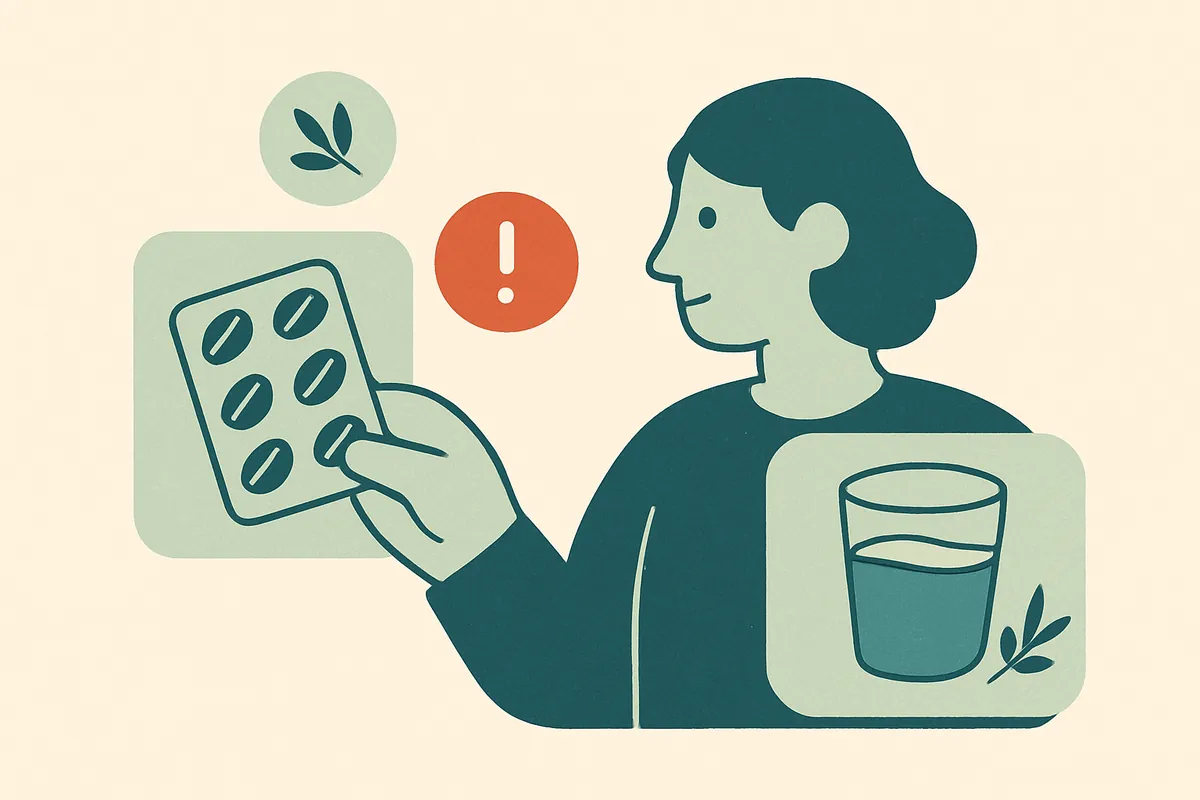
Taking pregabalin and alcohol together is dangerous. Both suppress the central nervous system, and combining them amplifies the sedative effect in ways that can slow or stop breathing. The official product information states that pregabalin may potentiate the effects of ethanol, and the medicines regulator has warned about severe respiratory depression, including deaths, in patients taking pregabalin alongside other depressants. Official patient guidance is to avoid alcohol during pregabalin treatment.
Before you go further, a safety note
If you are physically dependent on alcohol or on benzodiazepines such as diazepam or alprazolam, do not stop taking them suddenly. Sudden withdrawal from either can cause seizures and can be life threatening. A medically supervised withdrawal is the safe route, and your GP can arrange one.
In an emergency call 999 in the UK, or 112 anywhere in Europe. For urgent advice that is not an emergency, NHS 111 is available in England around the clock.
Clinical sign-off required before publication. This article describes how a prescription medicine interacts with alcohol. It must not go live until a named clinician has reviewed it and the review date is recorded.
Taking pregabalin and alcohol together is dangerous. Both substances suppress the central nervous system (CNS), and combining them amplifies their sedative effects in ways that can slow or stop breathing. The official product information (SmPC) for Lyrica states that pregabalin may potentiate the effects of ethanol, and the MHRA has issued explicit warnings about severe respiratory depression, including deaths, in patients taking pregabalin alongside CNS depressants. The MHRA's official guidance for patients is clear: avoid alcohol during pregabalin treatment. This article explains the interaction, the risk it carries, what to do if something goes wrong, and what the combination can reveal about alcohol or prescription drug dependence.
What Pregabalin Is and What It Is Prescribed For
Pregabalin is a medicine sold under the brand names Lyrica, Alzain, and Axalid, among others. It belongs to a class of medicines called gabapentinoids. Despite its name sounding similar to GABA (the brain's primary inhibitory chemical), pregabalin does not directly act on GABA receptors. It works by binding to specific calcium channels in the nervous system, reducing the release of excitatory neurotransmitters. In the UK, pregabalin is licensed for three main conditions: epilepsy, generalised anxiety disorder (GAD), and neuropathic pain, including diabetic nerve pain and post-herpetic neuralgia. Pregabalin's potential for misuse is well documented. From 1 April 2019, following an MHRA review of abuse and dependence reports, pregabalin became a Class C controlled substance and Schedule 3 drug under UK law. The rescheduling happened specifically because of documented misuse, including in combination with alcohol and opioids.

How Pregabalin and Alcohol Both Suppress the Central Nervous System
To understand why this interaction is dangerous, it helps to understand what each substance does on its own. Pregabalin slows down nerve signalling in the brain and spinal cord by reducing calcium entry into neurons, which decreases the release of excitatory neurotransmitters. The result is reduced pain signalling, calming of overactive electrical activity in the brain, and a sedative effect. Alcohol suppresses the CNS through different pathways: it enhances the activity of GABA receptors (the brain's main braking system) and blocks NMDA receptors (involved in excitatory signalling). The net effect is a slowing of brain activity, reduced coordination, and sedation. When both are taken together, the sedative effects combine. The SmPC for Lyrica states plainly in its interactions section: pregabalin may potentiate the effects of ethanol. The SmPC also notes: in the postmarketing experience, there are reports of respiratory failure, coma and deaths in patients taking pregabalin and opioids and/or other central nervous system (CNS) depressant medicinal products. Alcohol is one such CNS depressant medicinal product. The combined slowing of CNS activity is additive or, in some cases, greater than either substance taken alone.
The Risk of Respiratory Depression When Combining Them
The most serious risk is respiratory depression, which means breathing becomes dangerously slow, shallow, or stops altogether. The MHRA's safety warning on pregabalin and respiratory depression documented 122 Yellow Card reports of respiratory depression or difficulty breathing with pregabalin between January 2014 and December 2020. Of those 122 reports, 80 involved a CNS depressant as either a co-suspect or concomitant medicine. The MHRA warns that patients with compromised respiratory function, renal impairment, neurological disease, older age, or those taking other CNS depressants are at higher risk of severe adverse reactions. People who drink alcohol while taking pregabalin fall squarely into the at-risk category the MHRA describes. The risk is not necessarily limited to high doses of either substance; any combination of CNS depressants should be approached with caution. Pregabalin is prescribed at doses that are already pharmacologically active. Even moderate alcohol consumption on top of a therapeutic pregabalin dose can meaningfully deepen CNS depression. In people who drink heavily or regularly, the combined effect can be severe. In people who also take opioids, benzodiazepines, or other sedating medicines alongside pregabalin and alcohol, the risk is compounded further. The MHRA guidance for patients is unambiguous: avoid drinking alcohol during pregabalin treatment.
Signs of a Dangerous Reaction: When to Call 999
If someone has taken pregabalin and alcohol together and develops any of the following symptoms, call 999 immediately. Emergency signs requiring immediate action:
- Breathing that is very slow, very shallow, or appears to have stopped
- Cannot be woken up or is extremely difficult to rouse
- Unresponsive to voice or touch
- Lips or fingertips turning blue (cyanosis)
- Severe confusion or disorientation
- Limp muscles and inability to hold position
- Choking or gurgling sounds while unconscious
- Seizures or convulsions While waiting for emergency services, if the person is unconscious but breathing, place them in the recovery position (on their side with their head tilted back slightly to keep the airway open). Do not leave them alone. Do not attempt to make an unconscious or semi-conscious person drink water or coffee. This can cause choking. A clinical review of pregabalin poisoning presentations found that severe CNS depression, including coma, was significantly more likely when pregabalin was combined with other sedating agents (including alcohol and opioids) compared to pregabalin taken alone. If in any doubt, call 999 and describe both substances the person has taken.

Is someone you love using benzodiazepines?
Families are usually the first to see it and the last to be asked. Talk to a clinician about what you are seeing, in confidence and with no obligation.
Why Pregabalin Carries Its Own Risk of Dependence
Even without alcohol, pregabalin carries a meaningful risk of physical dependence and addiction that is important to understand. The SmPC for Lyrica is explicit: pregabalin can cause drug dependence, which may occur at therapeutic doses. This means that someone who is taking pregabalin exactly as prescribed by their doctor can still develop a physical dependence on it. When the MHRA rescheduled pregabalin as a controlled substance in April 2019, the evidence included 113 reports of abuse and 98 reports of dependence submitted to the MHRA's Yellow Card scheme (cumulative totals to that date, not annual incidence figures). The MHRA noted that patients with a history of substance abuse, including alcohol use disorder, are at higher risk of pregabalin misuse, abuse, and dependence. Dependence means the body has adapted to the presence of pregabalin. Stopping abruptly or reducing the dose too quickly can cause withdrawal symptoms, which the SmPC lists as: insomnia, headache, nausea, anxiety, diarrhoea, flu-like symptoms, convulsions, nervousness, depression, suicidal ideation, pain, excessive sweating, and dizziness. If you are experiencing thoughts of self-harm or suicide, contact the Samaritans on 116 123 (free, 24 hours) or call 999 in an emergency. This is why pregabalin must never be stopped suddenly. Any reduction in dose should be done gradually, over weeks or sometimes months, under the guidance of a doctor. This is a medically supervised process, not something to manage alone. The experience of pregabalin withdrawal has some similarities to benzodiazepine addiction treatment in the sense that both require a carefully managed, medically supervised taper.
When Alcohol and Pregabalin Dependence Occur Together
Alcohol use disorder and pregabalin dependence do not always develop in isolation. In practice, they often occur together, and each can reinforce the other. People who already have alcohol use disorder are at higher risk of developing pregabalin dependence if the medicine is prescribed to them. The MHRA specifically highlights a history of substance abuse as a risk factor. This does not mean people with alcohol problems should never be prescribed pregabalin. It does mean the prescription requires more careful monitoring and discussion about the risks. The pattern can also develop in the other direction. Someone prescribed pregabalin for anxiety or nerve pain may find that anxiety returns as the body adapts to the drug, and turn to alcohol to manage that gap. This creates both the pharmacological interaction risk and the risk of alcohol dependence developing alongside an existing pregabalin dependence. Recreational misuse of pregabalin alongside alcohol has also been documented in the UK, specifically because the combination produces an intensified sedative effect. This pattern is particularly dangerous, as neither substance is being taken at a controlled dose. If you or someone you care about is taking pregabalin and drinking regularly, and reducing or stopping either feels very difficult, that experience matters. Both substances can create physical and psychological dependence, and both carry withdrawal risks serious enough to require professional support.
What to Tell Your Doctor or Pharmacist
Healthcare professionals do not ask about alcohol use to judge you. They ask because the combination of pregabalin and alcohol can be seriously harmful, and they need this information to prescribe safely. Before starting pregabalin, or if you are already taking it and also drinking regularly, it is worth telling your GP, nurse, or pharmacist: - How much alcohol you typically drink in a week, and whether you drink daily - Whether you have ever had a problem with substance use, including alcohol or other prescribed medicines - All other medicines you take, including anything bought over the counter or online - Whether you have any lung, kidney, or neurological conditions that might increase your risk from CNS depressants - Whether you experience anxiety or pain that you manage partly with alcohol If your prescriber is aware of your drinking pattern, they can make an informed decision about whether pregabalin is appropriate, whether the dose needs adjusting, and how to monitor you safely. They can also discuss a safer strategy if you want to reduce or stop pregabalin. If you are already taking pregabalin and have concerns about your alcohol use, speak to your GP before making any changes to either. This is particularly important with pregabalin: stopping abruptly can cause serious withdrawal symptoms, including convulsions.

Talk to a clinician today
You will speak to our admissions team, all of them clinicians. Confidential, no obligation, and we will tell you honestly whether our programme fits.
If Stopping Feels Impossible: Recognising the Pattern
Pregabalin is often prescribed for anxiety. Alcohol is often used to manage anxiety. When both are being used to manage the same underlying experience, stopping either can feel unthinkable, because for a time they each appear to be holding things together. If you are taking pregabalin and drinking regularly, and you notice that trying to cut back on either produces real anxiety, discomfort, or physical symptoms, that experience is telling you something important. It is not a failure of willpower. It is information about how your body and nervous system have adapted. Signs that the pattern may have moved into dependence territory include: finding you need more pregabalin or alcohol to feel the same effect, experiencing discomfort when either wears off, continuing to use both even when it is causing problems in your life, and being unable to reduce or stop despite wanting to. These are experiences that alcohol addiction support and prescription drug addiction treatment are designed to address. Reaching out for that support is not dramatic. It is the appropriate response to a medical situation.
Getting Help at Sierra Recovery: Prescription Drug and Alcohol Treatment
Sierra Recovery is a small private residential clinic in the mountains of inland Andalucía, Spain. In partnership with PROMIS Clinics in the UK, we provide medically supervised treatment for adults dealing with prescription drug dependence, alcohol dependence, or both. For people whose use involves pregabalin and alcohol together, both need to be addressed. Detoxing from one while the other continues is not safe and is unlikely to be effective. Our clinical team has experience with dual dependence, and our approach begins with a thorough clinical assessment so that any detox is planned safely, with appropriate medical supervision for the withdrawal from each substance. Where a medically supervised detox is needed, it is completed in hospital before you arrive. Sierra Recovery is a residential rehabilitation centre, not a detox unit. Prescription drug addiction treatment follows the same medically supervised approach: a gradual, planned reduction, not an abrupt cessation that could trigger dangerous withdrawal. After detox, our residential treatment programme provides evidence-based therapy in a small group setting in the Andalusian mountains. The team is English-speaking throughout. Aftercare, including in-person sessions through PROMIS UK's London base, continues after you leave Spain. Concerned about pregabalin, alcohol, or both? Talk to our team in confidence. We answer questions about prescription drug and alcohol treatment honestly, in English. PROMIS Clinics-backed care, residential programme in Andalucía, London-based aftercare. English-speaking team. No obligation.
Sources
- MHRA. "Pregabalin (Lyrica): reports of severe respiratory depression." GOV.UK Drug Safety Update. https://www.gov.uk/drug-safety-update/pregabalin-lyrica-reports-of-severe-respiratory-depression
- MHRA. "Pregabalin (Lyrica), gabapentin (Neurontin) and risk of abuse and dependence: new scheduling requirements from 1 April." GOV.UK Drug Safety Update. https://www.gov.uk/drug-safety-update/pregabalin-lyrica-gabapentin-neurontin-and-risk-of-abuse-and-dependence-new-scheduling-requirements-from-1-april
- medicines.org.uk. "Lyrica 25mg Hard Capsules, Summary of Product Characteristics (SmPC)." https://www.medicines.org.uk/emc/product/5539/smpc
- NHS. "Pregabalin." https://www.nhs.uk/medicines/pregabalin/
- Heard K et al. "Pregabalin poisoning and rising recreational use: a retrospective observational series." BMJ Open 2021. https://pmc.ncbi.nlm.nih.gov/articles/PMC7688538/
Last reviewed 2026-07-25. Next review 2027-07-25.
Questions people actually ask
Can you drink alcohol while taking pregabalin?
No. The MHRA's patient guidance is clear: avoid drinking alcohol during pregabalin treatment. The official product information for pregabalin states that it may potentiate the effects of alcohol, meaning the sedative effects of both substances are amplified when combined. This can lead to dangerous levels of CNS depression, including severely slowed breathing. Speak to your GP or pharmacist before drinking if you are currently prescribed pregabalin.
What happens if you mix pregabalin and alcohol?
Mixing pregabalin and alcohol intensifies the sedative effect of both substances. Both are central nervous system depressants, and taking them together can cause profound drowsiness, impaired coordination, confusion, and, in serious cases, respiratory depression (dangerously slow or stopped breathing). The MHRA has recorded reports of respiratory failure, coma, and deaths in people taking pregabalin alongside CNS depressants including alcohol. The risk is higher with larger doses of either substance and in people with respiratory conditions or renal impairment.
Is it safe to have one drink on pregabalin?
Official guidance advises avoiding alcohol entirely during pregabalin treatment. Unlike some medications where occasional light drinking carries minimal risk, pregabalin's CNS-depressant properties mean that even small amounts of alcohol can meaningfully increase sedation. The degree of risk depends on your dose of pregabalin, your individual health, and whether you take other medicines. If you have any doubt, speak to your GP or pharmacist before drinking.
What are the signs of a pregabalin and alcohol overdose?
Warning signs include very slow or shallow breathing, extreme difficulty waking the person, unresponsiveness to voice or touch, bluish colouring around the lips or fingertips, severe confusion, and limpness. If you see these signs, call 999 immediately. While waiting, if the person is unconscious but still breathing, place them carefully in the recovery position on their side to keep the airway open. Tell the emergency services exactly what substances have been taken.
Can pregabalin cause dependence?
Yes. The SmPC for Lyrica states that pregabalin can cause drug dependence, which may occur at therapeutic doses. This means even people taking the prescribed dose for legitimate medical reasons can become physically dependent. The MHRA rescheduled pregabalin as a Class C controlled substance in the UK in 2019 specifically because of documented abuse and dependence. People with a history of alcohol or other substance use disorder are at higher risk. Pregabalin should never be stopped abruptly; withdrawal requires a gradual, medically supervised taper.
Can you stop taking pregabalin suddenly?
No. Stopping pregabalin abruptly can cause serious withdrawal symptoms, including insomnia, severe anxiety, nausea, sweating, and convulsions. Any reduction in dose should be done gradually, over a period of weeks or months, under the guidance of a doctor. This applies even if you feel you are ready to stop. If you are concerned about your pregabalin use, speak to your GP about a safe tapering plan rather than stopping on your own.
Is pregabalin addiction treated differently from alcohol addiction?
The two conditions share some features but are pharmacologically distinct, and both require medical supervision to withdraw from safely. In practice, if someone is dependent on both, both need to be addressed as part of treatment. In people with alcohol dependence, stopping alcohol abruptly without medical support can trigger seizures and delirium tremens (see NHS guidance on alcohol misuse). Stopping pregabalin abruptly can also trigger convulsions. A residential treatment programme with medical oversight is designed to manage both safely, with a staged and supervised withdrawal plan for each substance, followed by therapy to address the underlying reasons for use.
What is pregabalin prescribed for, and how does it work?
Pregabalin is sold under brand names including Lyrica, Alzain and Axalid, and belongs to a class called gabapentinoids. Despite the similar-sounding name, it does not act directly on GABA receptors. It binds to specific calcium channels in the nervous system, reducing the release of excitatory neurotransmitters. In the UK it is licensed for epilepsy, generalised anxiety disorder, and neuropathic pain, including diabetic nerve pain and post-herpetic neuralgia.
Why is pregabalin a controlled drug in the UK?
From 1 April 2019, following a regulatory review of abuse and dependence reports, pregabalin became a Class C controlled substance and Schedule 3 drug under UK law. The rescheduling happened specifically because of documented misuse, including in combination with alcohol and opioids. Recreational misuse alongside alcohol has been documented in the UK precisely because the combination produces an intensified sedative effect, and neither substance is then taken at a controlled dose.
What should I do while waiting for an ambulance?
If the person is unconscious but breathing, place them in the recovery position, on their side with the head tilted back slightly to keep the airway open, and do not leave them alone. Do not try to make someone who is unconscious or semi-conscious drink water or coffee, as this can cause choking. When emergency services arrive, tell them exactly which substances have been taken, including both the pregabalin and the alcohol.
Who is at higher risk of harm from this combination?
The medicines regulator warns that patients with compromised respiratory function, renal impairment, neurological disease, older age, or those taking other central nervous system depressants face a higher risk of severe adverse reactions. People who drink alcohol while taking pregabalin fall into that category. Risk is compounded further for anyone also taking opioids, benzodiazepines or other sedating medicines. People with a history of substance use, including alcohol use disorder, also face higher misuse risk.
What should I tell my doctor before starting pregabalin?
Tell your GP, nurse or pharmacist how much you typically drink in a week and whether you drink daily; whether you have ever had a problem with substance use, including alcohol or prescribed medicines; every other medicine you take, including anything bought over the counter or online; whether you have lung, kidney or neurological conditions; and whether you manage anxiety or pain partly with alcohol. They are asking to prescribe safely, not to judge.

 +
+
Talk to a clinician today
You will speak to our admissions team, English-speaking clinicians who know the programme and the people in it. Callback within 24 hours.
Registered health centre. Authorised by the Junta de Andalucía, N.I.C.A. 67331.