
Checked for clinical accuracy on 18 July 2026. Next review due July 2027. This article is general information and is not a substitute for advice about your own situation.
Alcohol and sertraline do not produce the kind of dangerous chemical reaction seen with some other medications, but NHS guidance still advises against drinking while taking sertraline, because alcohol can stop the medicine working properly. Alcohol is a central nervous system depressant that worsens the depression and anxiety sertraline is prescribed to treat, and it can add to drowsiness and dizziness. The concern is undermined treatment rather than acute toxicity.
Before you go further, a safety note
If you are physically dependent on alcohol or on benzodiazepines such as diazepam or alprazolam, do not stop taking them suddenly. Sudden withdrawal from either can cause seizures and can be life threatening. A medically supervised withdrawal is the safe route, and your GP can arrange one.
In an emergency call 999 in the UK, or 112 anywhere in Europe. For urgent advice that is not an emergency, NHS 111 is available in England around the clock.
Clinical sign-off required before publication. This article describes how a prescription medicine interacts with alcohol. It must not go live until a named clinician has reviewed it and the review date is recorded.
You can drink alcohol while taking sertraline and alcohol together does not produce the kind of dangerous chemical reaction you get with some other medications. What it does do is something arguably more important to understand: alcohol worsens the very conditions sertraline is prescribed to treat. The NHS sertraline page advises that it is best not to drink alcohol while taking sertraline, because it can stop the medicine working properly. This article explains what that means, what actually happens in the body, and how to think about it honestly.
What Sertraline Is and What It Treats
Sertraline is a selective serotonin reuptake inhibitor, better known as an SSRI. It works by blocking the reabsorption of serotonin in the brain, leaving more of this neurotransmitter available at the synapse. Serotonin is linked to mood regulation, sleep, appetite, and emotional processing, though the relationship is more complex than the phrase "chemical imbalance" implies. In the UK, sertraline is one of the most commonly prescribed SSRIs. It is licensed for: - Major depression - Social anxiety disorder - Obsessive-compulsive disorder (OCD) - Post-traumatic stress disorder (PTSD) - Panic disorder SSRIs typically take one to two weeks to begin having a noticeable effect, and up to eight weeks to work fully. That gradual therapeutic window matters when we consider what alcohol does to it.
What Actually Happens When You Mix Sertraline and Alcohol
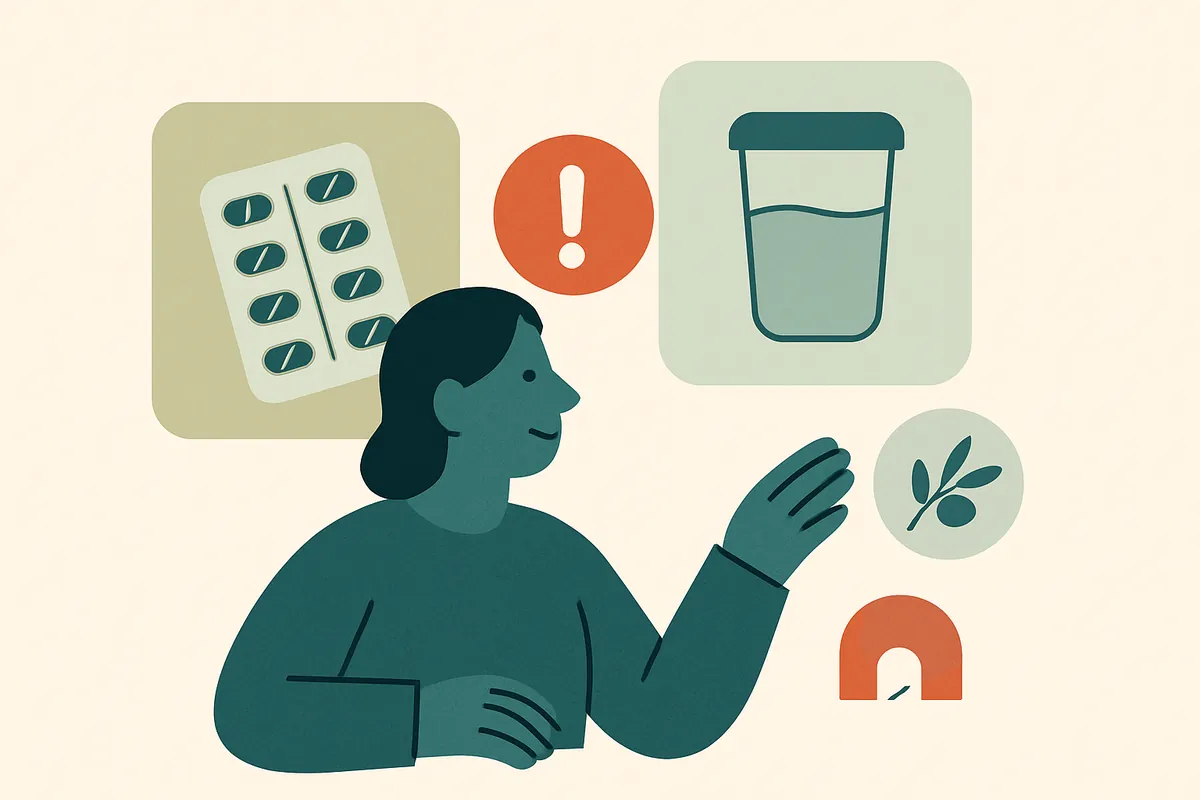
The clinical picture here is more nuanced than a simple "do not combine" warning, and it is worth understanding why. The official product information (SmPC) for Lustral, the branded sertraline product, states in its interactions section that sertraline at 200mg per day "did not potentiate the effects of alcohol, pentobarbital or diazepam on cognitive and psychomotor performance in healthy subjects." It then adds: "however, the concomitant use of sertraline and alcohol is not recommended." That is a careful distinction. The SmPC is saying that in a controlled study with healthy subjects, sertraline did not dramatically amplify alcohol's sedative effects at even the maximum adult dose. This is different from the reaction you get when alcohol is combined with MAOIs, which can cause a hypertensive crisis, or with disulfiram or metronidazole, where an enzyme-blocking reaction produces flushing, nausea, and palpitations. So why is concurrent use still not recommended? Because the study used healthy subjects who did not have depression or anxiety. For someone who is prescribed sertraline precisely because they are struggling with low mood or anxiety, alcohol changes the picture entirely. Alcohol is a central nervous system depressant. The concern is not primarily a toxic reaction. It is that the two substances work against each other in a way that undermines the treatment.
Alcohol Worsens Depression and Anxiety
Alcohol may feel, in the short term, like it relieves anxiety or improves mood. That experience is real. It is also misleading. Alcohol is a CNS depressant, and its effects on mood once the initial sedative effect wears off work in the opposite direction to sertraline. Regular or heavy drinking has been associated with worsened depressive symptoms, increased anxiety, disrupted sleep architecture, and impaired emotional regulation. The NHS guidance on SSRIs notes that alcohol can make symptoms worse or cause drowsiness and dizziness when taken alongside SSRIs. This is the core of the clinical concern. Sertraline works gradually, over weeks, to stabilise mood and reduce anxiety. Alcohol introduces a counter-current: the sedative-then-depressogenic cycle of regular drinking can actively maintain the low mood the SSRI is attempting to lift. For someone taking sertraline for depression, the question becomes less "is this combination dangerous?" and more "is the alcohol making my treatment less likely to work?" The honest answer is that yes, it may be.
Increased Drowsiness and Impaired Judgement
Sertraline can cause drowsiness in some people, particularly in the early weeks of treatment. The SmPC lists somnolence (drowsiness) among the known side effects, and this varies considerably between individuals. Alcohol is itself a CNS depressant and sedative. Even if the formal pharmacokinetic studies found no dramatic potentiation at 200mg/day in healthy subjects, in real-world use combining the two increases the practical likelihood of feeling more drowsy, more dizzy, or less mentally sharp than usual. The SmPC notes that psychotropic medications "may impair the mental or physical abilities required for the performance of potentially hazardous tasks such as driving a car or operating machinery." The NHS antidepressants guidance echoes this. If you are taking sertraline and considering drinking, the sensible rule is: if you already feel drowsy from the medication, alcohol will compound it. This also matters for decision-making more generally. Impaired judgement on a day when mood is already fragile can result in choices that are harder to recover from, whether that is an argument, missing a work commitment, or an impulse decision you would not have made otherwise.

Do you think you or someone you love has a problem with alcohol?
You do not have to be certain before you pick up the phone. One confidential call with a clinician will tell you whether your drinking is something to act on now.
Is One Drink Likely to Cause a Serious Problem?
For most people taking sertraline, having a single glass of wine at a social occasion is unlikely to cause a dramatic or dangerous reaction. The sertraline-alcohol interaction is not the same category as alcohol with an MAOI antidepressant (where even small amounts of alcohol can trigger a dangerous blood pressure spike) or with disulfiram (where any alcohol will cause a deliberately unpleasant toxic reaction). The SmPC evidence is on this point reasonably reassuring for occasional, moderate drinkers. That said, the NHS advice is clear: avoid alcohol while taking sertraline. There are good practical reasons for this even in moderate drinkers. First, individual responses to both alcohol and SSRIs vary; what is one drink for one person may produce noticeably more drowsiness or dizziness in another. Second, the gradual mood-stabilising effect of sertraline is most reliably achieved in conditions that support it, which regular alcohol consumption does not. The risk rises with drinking frequency and quantity. For someone who drinks every day, or who regularly drinks to excess, the clinical concern is no longer about a single interaction event. It is about whether the chronic effects of heavy alcohol use are making the condition sertraline is treating harder to address.
When Alcohol and Depression Both Need Addressing
Alcohol use disorder and depression occur together frequently. This is not coincidental. Many people who develop problematic drinking began using alcohol to manage feelings of low mood, anxiety, or emotional pain. The short-term relief is real. The longer-term effect is that alcohol is depressogenic: heavy regular use worsens the underlying mood state and makes it harder to manage without alcohol. When someone is prescribed sertraline for depression or anxiety and is also drinking heavily, the alcohol may be actively maintaining the condition the SSRI is trying to treat. This creates a cycle that medication alone cannot reliably break. The NHS describes alcohol-use disorder as closely linked to mental health conditions including anxiety and depression, and notes that these conditions often reinforce each other. If your mood has not improved on sertraline and you are drinking regularly, it is worth considering honestly whether the alcohol is playing a part in that. This is not a judgement. It is a clinical question worth raising with your prescriber or GP. Our article on depression after drinking covers the relationship between alcohol and low mood in more detail.
What to Tell Your Doctor or Prescriber
Healthcare professionals ask about alcohol because it affects which treatments are safe and effective, and how likely treatment is to work. It is not there to judge your choices. Before starting sertraline, or at any point during treatment, it is worth letting your GP, psychiatrist, or prescriber know: - How much you typically drink in a week - Whether you drink daily or close to it - Whether your drinking has increased since you started feeling low or anxious - Whether alcohol seems to be the main thing helping you get through difficult days This information helps your prescriber assess whether sertraline is likely to be effective given your current alcohol intake, whether a dosage adjustment or a review of the treatment approach would be useful, and whether support for your drinking alongside your mental health treatment would be beneficial. Being open about alcohol use is not something to feel embarrassed about. Prescribers who work with mental health and addiction see this combination regularly. The goal is to give you the most effective care, which means having an accurate picture of everything that is affecting your wellbeing.

Treating alcohol addiction takes more than willpower
Three structured group sessions a day, individual therapy, and a seventeen module curriculum. Admission usually within days of the assessment.
If Stopping Drinking While on Sertraline Feels Difficult
One of the less-discussed aspects of taking an SSRI is the experience of finding it unexpectedly hard to cut back on alcohol during treatment. A course of sertraline is not time-limited in the way an antibiotic is. For many people, it continues for months or years. If you have wanted to drink less and found it difficult to do so, even knowing it is working against your medication, that is worth paying attention to. It is not a character flaw or a sign that you lack willpower. The NHS describes alcohol dependence as a condition in which the body and mind become used to functioning with alcohol present, making it physically and psychologically difficult to stop. Signs that dependence may have developed include: drinking more than you intended, being unable to cut down despite wanting to, continuing to drink when it is clearly causing problems, and feeling anxious, unwell, or unable to sleep when you try to stop. None of this means recovery is out of reach. It means that the drinking itself may need addressing alongside the depression or anxiety, not instead of it. If you have asked yourself Am I an alcoholic? then you are already asking the right question. Our pages on alcohol addiction and how to stop alcohol cravings may also be useful starting points.
Getting Help With Alcohol and Depression: What Sierra Recovery Offers
Sierra Recovery is a small private residential clinic set in the mountains of inland Andalucía, Spain. In partnership with PROMIS Clinics in the UK, we arrange medically supervised alcohol detox with an appropriate medical provider before admission, residential treatment, and dual-diagnosis therapy for adults treating both alcohol use and mental health conditions together. Where a medically supervised detox is needed, it is completed in hospital before you arrive. Sierra Recovery is a residential rehabilitation centre, not a detox unit. Detox is the beginning, not the destination. Our depression treatment programme draws on CBT, DBT, EMDR, and individual therapy. For people where alcohol and depression are intertwined, treating them together produces more stable outcomes than addressing either in isolation. The clinical team is English-speaking throughout, and aftercare includes in-person sessions in London through PROMIS UK's network. For many UK clients, the combination of private clinical standards, genuine distance from a familiar environment, and a cost that tends to be materially lower than equivalent UK private rehab makes Sierra a serious option. Wondering whether alcohol is affecting your treatment? Talk to our team, in confidence. We answer questions about alcohol and mental health treatment honestly, in English. PROMIS Clinics-backed residential care, medically supervised detox, dual-diagnosis programme in Andalucía, London-based aftercare. English-speaking team. No obligation.
Sources
- NHS. "Sertraline." https://www.nhs.uk/medicines/sertraline/
- medicines.org.uk. "Lustral 50mg / 100mg film-coated tablets, Summary of Product Characteristics (SmPC)." https://www.medicines.org.uk/emc/product/2835/smpc
- NHS. "SSRI antidepressants, Overview." https://www.nhs.uk/mental-health/talking-therapies-medicine-treatments/medicines-and-psychiatry/ssri-antidepressants/overview/
- NHS. "Alcohol-use disorder." https://www.nhs.uk/conditions/alcohol-use-disorder/
- NHS. "Antidepressants." https://www.nhs.uk/conditions/antidepressants/
Last reviewed 2026-07-25. Next review 2027-07-25.
Questions people actually ask
Can you drink alcohol while taking sertraline?
The NHS advises that it is best not to drink alcohol while taking sertraline, because it can stop the medicine working properly. Alcohol worsens depression and anxiety, which are the conditions sertraline is most commonly prescribed for. It may also increase drowsiness or dizziness. The official product information (SmPC) for sertraline states that concurrent use is not recommended, even though formal studies did not find dramatic pharmacokinetic potentiation at standard doses. If you are unsure, speak to your GP or pharmacist.
What happens if you drink alcohol on sertraline?
Alcohol does not cause a dangerous acute reaction with sertraline in the way it can with some other antidepressants. Regular or heavy drinking has been associated with worsened depression and anxiety, which can work against the therapeutic purpose of sertraline. Combining alcohol with sertraline may also increase drowsiness and impair your judgement, even if this effect is not dramatic in occasional, moderate drinkers. Regular or heavy drinking may reduce the effectiveness of sertraline treatment.
Will one drink affect sertraline?
An occasional single drink is unlikely to cause a dramatic or dangerous interaction with sertraline. The SmPC clinical study found no significant potentiation of cognitive or psychomotor impairment at 200mg per day in healthy subjects. That said, individual responses vary: some people feel noticeably more drowsy or dizzy when combining even moderate alcohol with their sertraline dose. The NHS recommends avoiding alcohol for the duration of treatment. If you do drink socially, speak to your pharmacist for personalised guidance.
Does alcohol make sertraline stop working?
Regular or heavy drinking may reduce the effectiveness of sertraline, though not through a direct pharmacokinetic interference. Alcohol is itself depressogenic: heavy chronic use worsens mood and anxiety, which can counteract the gradual stabilising effect sertraline provides. If you have been taking sertraline without significant improvement and you drink regularly, it is worth discussing with your prescriber whether alcohol may be a contributing factor in how you are responding to treatment.
Can sertraline and alcohol cause dangerous side effects?
Sertraline and alcohol do not produce the kind of dangerous toxic reaction associated with alcohol and MAOIs (which can cause hypertensive crisis) or alcohol and disulfiram (which causes a deliberate unpleasant reaction). The clinical concern with sertraline is more about compounded CNS sedation and the counterproductive effect of alcohol on the conditions sertraline treats. However, because individual responses vary and the clinical picture depends on how much someone is drinking, always consult your prescriber or pharmacist rather than relying on general guidance.
Should I tell my doctor if I drink while on sertraline?
Yes. Your prescriber needs to know about your alcohol intake to judge whether sertraline is the right treatment for you and whether it is likely to be effective at the dose prescribed. If you are drinking regularly or heavily, that information helps your prescriber understand why treatment may not be working as expected and whether support for your drinking alongside your mental health treatment would be beneficial. Being open about this is not something to feel embarrassed about; it helps your prescriber give you the safest and most appropriate care.
What is sertraline prescribed for, and how long does it take to work?
Sertraline is a selective serotonin reuptake inhibitor, or SSRI. It blocks the reabsorption of serotonin in the brain, leaving more available at the synapse. In the UK it is licensed for major depression, social anxiety disorder, obsessive-compulsive disorder, post-traumatic stress disorder and panic disorder. SSRIs typically take one to two weeks to begin having a noticeable effect, and up to eight weeks to work fully.
Why did a study find no interaction if drinking is still discouraged?
The study used healthy subjects who did not have depression or anxiety. It found that sertraline at 200mg per day did not potentiate the effects of alcohol on cognitive and psychomotor performance. For someone prescribed sertraline precisely because they are struggling with low mood or anxiety, the picture is different: alcohol is a depressant that works against what the medication is trying to do, which is why concurrent use is still not recommended.
Should I drive after drinking while taking sertraline?
Treat it as a serious concern. Sertraline can cause drowsiness, particularly in the early weeks, and the product information notes that psychotropic medications may impair the mental or physical abilities needed for hazardous tasks such as driving or operating machinery. Alcohol is itself a sedative, so combining the two raises the likelihood of feeling drowsy, dizzy or less mentally sharp. If the medication already makes you drowsy, alcohol will compound it.
My mood has not improved on sertraline and I drink regularly. Is that connected?
It may well be. Alcohol is depressogenic: heavy regular use worsens the underlying mood state and makes it harder to manage without alcohol. When someone is prescribed sertraline and also drinking heavily, the alcohol may be actively maintaining the condition the medication is trying to treat, creating a cycle that medication alone cannot reliably break. This is a clinical question worth raising with your prescriber or GP, not a judgement.
What if I find it hard to cut back on alcohol during treatment?
A course of sertraline is not time-limited the way an antibiotic is; for many people it continues for months or years. If you have wanted to drink less and found it difficult, even knowing it works against the medication, that is worth noticing. It is not a character flaw. Drinking more than intended, being unable to cut down, and feeling anxious or unable to sleep when you stop are signs to raise with your GP.
 +
+
Talk to a clinician today
You will speak to our admissions team, English-speaking clinicians who know the programme and the people in it. Callback within 24 hours.
Registered health centre. Authorised by the Junta de Andalucía, N.I.C.A. 67331.