


Last checked for clinical accuracy on 28 February 2025. This article is general information and is not a substitute for advice about your own situation.
Trauma-focused cognitive behavioural therapy, or TF-CBT, is an evidence based form of CBT that changes how a person thinks about their trauma so they no longer feel trapped in the past. It was developed mainly for children and adolescents, using age appropriate language and interventions, and it brings non-offending parents and caregivers into treatment alongside family therapy principles. Adults with PTSD have also been shown to benefit from it.
A note before you read on
This article is general information, not medical advice about your own situation. If you are worried about your own or someone else's substance use, speak to your GP. In an emergency call 999 in the UK, or 112 anywhere in Europe.
People dealing with trauma are in a situation where they find difficulty processing the hardships they've been through. It's not as easy as assessing the situation and moving on. Trauma can have lasting impacts on a person's overall well-being, and it can cause intrusive thoughts and avoidant behaviours that can affect a person's daily life. As such, people experiencing this type of struggle are recommended to seek Trauma-Focused Cognitive Behavioural Therapy (TF-CBT). It's a type of therapy that helps manage the emotional and psychological effects of trauma so that patients are more able to live a healthy and fulfilling life.
What Is Trauma-Focused Cognitive Behavioural Therapy (TF-CBT)?
TF-CBT is a type of evidence-based CBT treatment that focuses on changing how a person thinks about their trauma. People dealing with trauma may have a specific perspective that is related to the trauma they have experienced, which makes dealing with everyday life more difficult. Through TF-CBT, clients work with therapists and other mental health professionals to properly process their trauma so that they don't feel like they are forever trapped in the past. Although people of all ages can receive TF-CBT, it's mainly designed to help children and adolescents. Children and adolescents process traumatic experiences differently from older adults. They may not be able to properly articulate their thoughts and responses to the traumatic event just yet. This kind of therapy provides age-appropriate language and interventions so those of this age can process difficult experiences. Since clients are also younger, TF-CBT also brings non-offending parents and caregivers into treatment while incorporating family therapy principles. The trauma-sensitive language used in this treatment creates a sense of safety for those who receive TF-CBT treatment, whether it's children, adolescents, or older adults.
Principles of TF-CBT
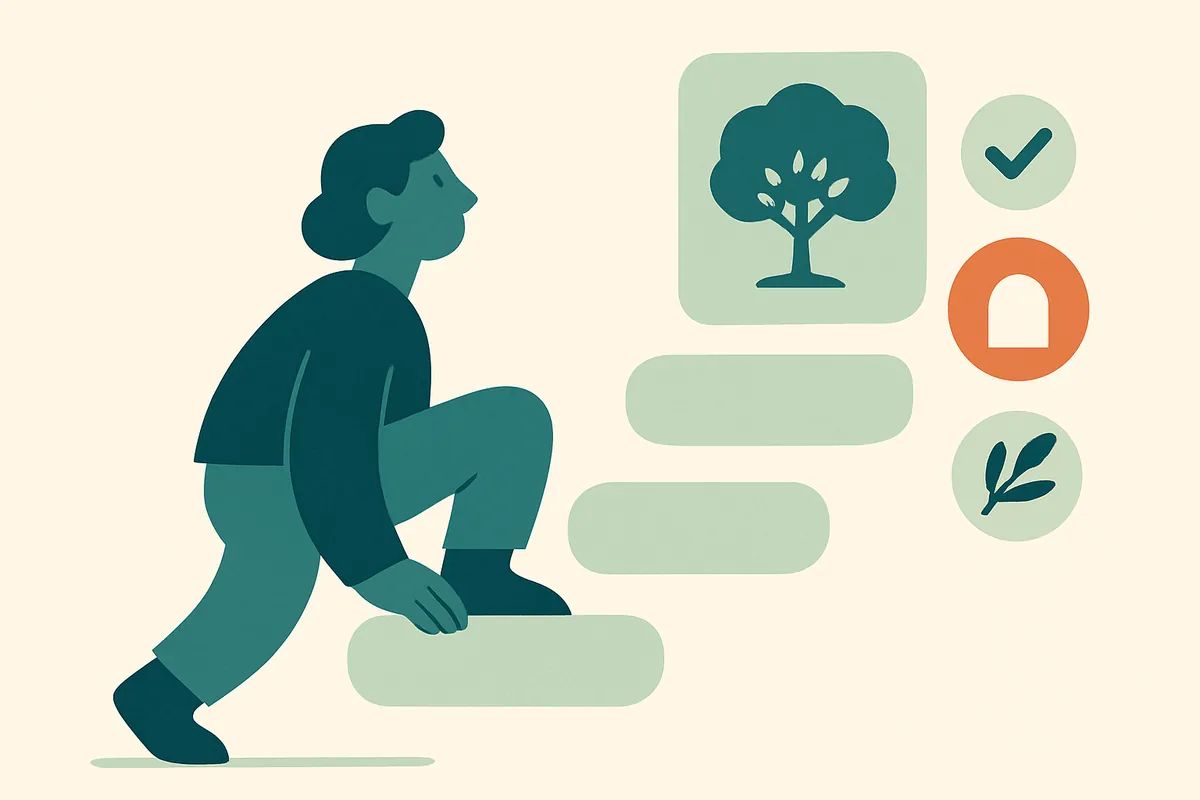
TF-CBT was specifically developed for children and adolescents to work with them and their parents to facilitate healing from traumatic experiences. Adults with PTSD have also been shown to benefit from it. It follows a standard protocol with three principles, which we discuss in more detail in this section.
Safety and Stabilisation
People who deal with trauma may have intense reactions to their triggers. They may even exhibit symptoms even when their triggers aren't present. As such, they need to be safe and stabilised before proceeding to the next treatment steps. This way, they are more open to receiving treatment and not fully avoidant of the problem at hand. Therapists actively work towards creating a safe environment to make patients feel more secure. Patients may be taught to stabilise their emotions through relaxation and deep breathing techniques. It's also important to establish trust with the client. Without this strong foundation of trust, the treatment may even be ineffective. As mentioned earlier, therapists may also bring in the caregivers during TF-CBT. The presence of caregivers or parents can make children and adolescents feel like they're in a supported environment.
Formal Gradual Exposure
The next phase of TF-CBT is a formal, gradual exposure. Traumatised children and other people who have experienced trauma usually do everything to avoid anything that reminds them of the stressful event. However, this constant avoidance of the subject doesn't achieve much regarding recovery. In TF-CBT, you are gradually exposed to any thoughts or feelings related to your trauma. The key here is to conduct the exposure in a controlled environment so you don't feel like you will lose control and be re-traumatised. Slowly, therapists can progress to more difficult feelings until you can fully talk about the situation. This phase helps you make sense of your experience. Professionals step in by helping you challenge your distorted beliefs. This way, you will have more accurate perspectives that help create a greater sense of control over the situation.
Consolidation/Integration
The last phase of TF-CBT is consolidation and integration. This therapy will equip you to handle future stressors and challenges after treatment. People with trauma may find it difficult to go about their lives in fear of the traumatic event happening again. Consolidation/integration is addressed in different ways. For example, mental health professionals can teach you how to become more self-reliant and confident in yourself to feel more prepared to handle future challenges. Children and adolescents who receive TF-CBT may also learn how to enhance their relationships with their parents and other family members to live in a more supported environment.
TF-CBT Vs CBT
Before comparing TF-CBT to traditional Cognitive Behavioural Therapy, let's look at traditional CBT. CBT is a type of talk therapy that challenges a person's harmful beliefs and thought patterns so that they can develop more realistic thinking patterns. On the other hand, TF-CBT focuses especially on the trauma that people have experienced. It involves developing a trauma narrative through recounting traumatic events and reframing the experience in the context of the patient's life. It's a treatment designed in a way that integrates trauma-sensitive techniques with traditional CBT. Another key difference between TF-CBT and traditional CBT is the involvement of caregivers. In TF-CBT, caregivers are typically brought in to help support the child's healing process. Children and adolescents who have experienced trauma may find it difficult to open up to therapists without their main caregivers around. In traditional CBT, caregiver involvement is usually minimal or optional.
Does TF-CBT Help With PTSD?
TF-CBT helps with Post-traumatic Stress Disorder (PTSD) by providing a way for you to deal with your problems and face your trauma. While looking at the situation differs from traditional talk therapy, it shares some of the same goals. The symptoms of PTSD will look different for everyone. For some, the symptoms are severe enough that they find it incredibly difficult to go through everyday life. Others may have a less difficult time managing their symptoms, but it doesn't mean they don't need help. As such, TF-CBT takes a more structured and goal-oriented approach. Active skill building is involved during the treatment to regulate your emotions and manage stress. It also consists of thorough trauma processing so that instead of just focusing on present-day coping, TF-CBT directly addresses traumatic memories.

Is someone you love struggling with trauma?
Families are usually the first to see it and the last to be asked. Talk to a clinician about what you are seeing, in confidence and with no obligation.
What Are the Limitations of TF-CBT?
Although TF-CBT is excellent for helping navigate mental health conditions such as PTSD, it still has some limitations. For instance, children with complex trauma may require more specialised help. TF-CBT alone may not be enough. When this is the case, some therapists may recommend combining TF-CBT with other therapies, such as Eye Movement Desensitisation and Reprocessing Therapy (EMDR), for more effective results. Cultural considerations may also affect the effectiveness of TF-CBT. Some therapists may be unable to understand the nuances of different cultures, making it more difficult to establish a strong therapeutic rapport. This may result in the patient feeling disconnected from the treatment process.
Do You Need TF-CBT?
TF-CBT is designed differently from traditional CBT, so there may be a few questions to ask yourself before deciding that it's the proper treatment for you. In most cases, TF-CBT is right for you if:
- You have experienced abuse, neglect, accidents, sudden deaths, and other types of trauma.
- PTSD symptoms are already affecting your daily life and overall function.
- You are constantly finding ways to avoid reminders and thoughts related to the traumatic experience.
- You want a structured approach for approaching PTSD and its symptoms.
- You are willing to engage in the TF-CBT process to achieve effective results. In the end, a consultation with a therapist can help determine whether you're suitable for TF-CBT. They can assess your condition and ask the appropriate questions to see what treatment best suits your goals.
How to Find a Therapist for TF-CBT
To find a therapist for TF-CBT, it's best to do thorough research. Reliable directories are a good start, with many local mental health clinics providing a list of TF-CBT professionals. You may also want to seek recommendations from primary care providers. If you're looking for TF-CBT for your child, then school counsellors can be of great help. They often connect with other professionals specialising in child and adolescent mental health. Once you find a therapist, you'll want to ask about their approach and schedule a consultation. This will help determine whether you or your child are comfortable with their communication style. Comfort and trust are crucial during TF-CBT, as they determine honesty and openness during therapy sessions.

Talk to a clinician today
You will speak to our admissions team, all of them clinicians. Confidential, no obligation, and we will tell you honestly whether our programme fits.
Mental Health Treatment at Sierra Recovery
If you or a loved one is struggling with the effects of trauma, don't hesitate to reach out for help. Seeking mental health treatment can be intimidating, but there's no need to face it alone. Here at Sierra Recovery, we ensure every patient feels safe and supported throughout treatment. Our team offers evidence-based and compassionate support that helps address trauma and the emotional weight that comes with it. You may not be ready to commence any treatment or be gathering information to pass on to someone you care about. We understand that everyone needs time and has a deep understanding of our services before any form of commitment. For this reason, we invite you or anyone who needs guidance and advice to approach us when they feel the time is right so that we can answer any queries you have, help you make an informed decision or set you an appointment for a consultation. Whatever choice you make, you can always be assured of our professionalism and that we are here to help you build a happier, healthier, and more stable life. Find mental health treatment at Sierra Recovery.
Last reviewed 2026-07-25. Next review 2027-07-25.
Questions people actually ask
What are the three phases of TF-CBT?
TF-CBT follows a standard protocol built on three principles. Safety and stabilisation comes first: therapists build trust and a safe environment, and patients may be taught relaxation and deep breathing to steady their emotions. Formal gradual exposure follows, introducing thoughts and feelings linked to the trauma in a controlled way and challenging distorted beliefs. Consolidation and integration closes the work, building self reliance and confidence to handle future stressors.
How is TF-CBT different from ordinary CBT?
Traditional CBT is talk therapy that challenges harmful beliefs and thought patterns so a person can develop more realistic thinking. TF-CBT applies those techniques specifically to trauma, developing a trauma narrative by recounting events and reframing the experience in the context of the person's life. Caregiver involvement is the other main difference: in TF-CBT caregivers are usually brought in to support the child, while in traditional CBT it is minimal or optional.
Does TF-CBT help with PTSD?
It can. TF-CBT gives a structured, goal oriented way to face trauma rather than avoid it. Active skill building during treatment helps with regulating emotions and managing stress, and thorough trauma processing means the therapy addresses traumatic memories directly instead of only present day coping. PTSD symptoms look different for everyone, from severe difficulty with daily life to milder symptoms that still deserve help.
What are the limitations of TF-CBT?
Children with complex trauma may require more specialised help, and TF-CBT alone may not be enough. In those cases some therapists recommend combining it with other approaches, such as Eye Movement Desensitisation and Reprocessing. Cultural considerations matter too: where a therapist does not understand the nuances of a person's culture, it can be harder to build a strong therapeutic rapport, and the patient may feel disconnected from treatment.
How do I find a therapist who offers TF-CBT?
Start with reliable directories, and with local mental health clinics, many of which keep lists of TF-CBT professionals. Recommendations from primary care providers help, and if you are looking for a child, school counsellors often have connections with specialists in child and adolescent mental health. Once you have a name, ask about their approach and arrange a consultation, because comfort and trust shape how open therapy can be.
 +
+
Talk to a clinician today
You will speak to our admissions team, English-speaking clinicians who know the programme and the people in it. Callback within 24 hours.
Registered health centre. Authorised by the Junta de Andalucía, N.I.C.A. 67331.