Fentanyl detox is an important early step for anyone hoping to break the cycle of fentanyl use and begin healing. Detox is about helping your body clear the drug under medical supervision, reducing risks and making the process as safe and as comfortable as possible.
What Is Fentanyl?
Fentanyl was developed to help people experiencing severe or persistent pain. It binds strongly to opioid receptors, blocking pain signals and sometimes producing euphoria. It is extremely potent (often 50 to 100 times stronger than morphine), which means even small doses of fentanyl can be dangerous.
The use of fentanyl can cause dependence, tolerance, and an increased risk of overdose, especially when people who use opioids do not know the strength or purity of the substance they are taking. Because fentanyl is a powerful opioid drug, the chance of opioid dependence developing over time is high.
Why Medical Detox from Fentanyl Is Critical
Detoxification is the body’s process of clearing fentanyl, but withdrawal can be physically and emotionally demanding. Because fentanyl is strong and often long-lasting, withdrawal may appear quickly and may continue for several days.
Symptoms can range from mild to severe, and managing them with medical guidance reduces complications and relapse risk. Medical detox aids with hydration, monitoring, and medications that can lessen the severity of withdrawal symptoms and keep the process safer.
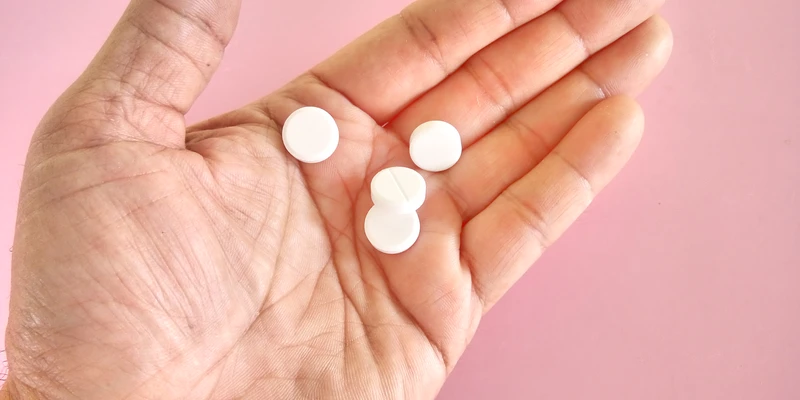
Fentanyl Addiction and Dependence
Over time, fentanyl changes the way your brain regulates stress, mood, and pain. As tolerance develops, you may need more of the drug to feel the same effects, eventually leading to dependence. This process affects both people using fentanyl recreationally and those who began using it as prescribed.
Once dependence develops, stopping fentanyl suddenly can cause uncomfortable symptoms that make quitting on your own extremely difficult. Detox is the safest way to interrupt the cycle of fentanyl addiction and move toward long-term recovery.
Fentanyl Withdrawal Symptoms
When you stop using fentanyl, your body reacts. These reactions are known as withdrawal symptoms, and they can be both physical and psychological. Some symptoms may be mild; others may feel overwhelming. Medical supervision can help manage symptoms safely.
Physical Withdrawal Symptoms
Symptoms usually begin 8–24 hours after the last use, depending on your level of dependence, how frequently you were using, and whether fentanyl was mixed with other substances. Fentanyl binds tightly to opioid receptors, so when it leaves the system, the body struggles to regulate pain, digestion, temperature, and sleep.
Common physical symptoms include:
- Muscle aches and deep body pain
- Sweating and chills
- Nausea
- Vomiting and diarrhoea
- Restlessness
- Runny nose
- Goosebumps
- Tremors or shakiness
As your body attempts to regain equilibrium, these symptoms may intensify, with most people experiencing the peak of withdrawal between 36–72 hours. This is often the most physically demanding part of detox, especially when symptoms overlap or appear suddenly.

Psychological Withdrawal Symptoms
The emotional and psychological impact of fentanyl withdrawal can be just as challenging as the physical effects. Fentanyl affects the brain’s reward and stress pathways, and once the drug is removed, the mind can struggle to regulate mood, motivation, and anxiety.
Psychological symptoms may include:
- Heightened anxiety
- Irritability or agitation
- Restlessness
- Difficulty concentrating
- Temporary low mood or hopelessness
- Sleep disturbances, such as insomnia
- Intense craving for fentanyl or other opioids
During opioid withdrawal, medical support is incredibly important. The brain’s need to rebalance can affect motivation and emotional stability, making relapse more likely without structure and supervision.
Severity and Complications
The severity of symptoms varies widely, and various factors influence how the body responds. For instance, people who have used fentanyl for longer periods or in higher amounts generally face a more difficult withdrawal.
Although withdrawal is rarely fatal on its own, complications can escalate quickly when untreated. For some, secondary medical conditions like high blood pressure, respiratory issues, or infections can make symptoms more life-threatening.
Because fentanyl is such a potent drug, it also increases the risk of precipitated withdrawal if medication like buprenorphine is taken too soon, which is another reason professional oversight is so important.
After detox, the body’s tolerance drops sharply. If someone returns to fentanyl and uses the previous dose, the risk of overdose rises dramatically. This is one of the most dangerous periods in recovery, and it highlights why continued treatment, support, and monitoring matter so much after detox.
Fentanyl Detox & Opioid Withdrawal Timeline
Every person’s experience differs, but the fentanyl withdrawal timeline generally follows a pattern.
Onset of Withdrawal
The onset of withdrawal usually begins 8–24 hours after the last use. Early symptoms often include muscle aches, restlessness, sweating, and anxiety.
The timing and intensity of symptoms vary depending on your pattern of use, overall health, and whether long-acting formulations or higher doses were involved. In such cases, withdrawal may begin later and persist for a longer period.
Sleep disturbance, irritability, and cravings can also emerge early in the process. During this stage, medical support plays an important role in reducing discomfort and ensuring safety as the body adjusts.
Peak Withdrawal Period
The peak period often occurs between 36–72 hours, when symptoms are most intense. Nausea, vomiting, diarrhoea, chills, and elevated heart rate may occur.
Medications like buprenorphine, methadone, or clonidine may be used to help stabilise the system and treat opioid withdrawal safely.

Post-Acute Withdrawal Phase
Some people experience post-acute withdrawal, where mood swings, sleep issues, or urges to use the drug continue for weeks or months. This stage often requires ongoing support through therapy or medication.
Clinically managed detox programmes may use medications such as methadone or buprenorphine to support individuals through the most challenging stages. These treatments help stabilise the body while fentanyl is being cleared from the system.
Detoxification Process and Medical Supervision
Detoxing from opiates involves far more than simply enduring symptoms. It is a structured medical process designed to support both body and mind and prepare you for the next stages of treatment.
Initial Assessment and Admission
Detox typically begins with a comprehensive assessment, where clinicians review your medical history, substance use patterns, existing health concerns, and mental health background. This information guides them in creating a safe and personalised detox plan.
During admission, staff will check your vital signs and may run blood tests to evaluate kidney and liver function or identify any issues that could complicate withdrawal.
Inpatient vs Outpatient Detox
Detox can take place either in an inpatient setting or on an outpatient basis. The choice between inpatient and outpatient care depends on your health, the seriousness of your dependence, and the level of supervision you need to stay safe during withdrawal.
Inpatient detox provides 24-hour supervision in a controlled environment. This way, you get immediate medical support and reduced exposure to triggers or substances. It is generally recommended for individuals with severe dependence, co-occurring medical issues, or limited home support.
Outpatient detox allows individuals to remain at home while attending scheduled medical appointments for monitoring and medication management. This option works best for those with milder dependence, stable living conditions, and a strong support system.
Role of Medical Support
Medical supervision is central to a safe and effective detox. Nurses and doctors monitor changes in your condition, adjust medications as needed, and respond quickly if complications arise.
Medications such as clonidine may help reduce agitation, sweating, and elevated blood pressure, while buprenorphine can ease cravings and lower the intensity of withdrawal. Clinical staff will also make sure you stay healthy enough to prevent complications like dehydration or breathing difficulties.
Beyond the medical side, staff provide reassurance, guidance, and emotional support. This structured and compassionate environment offers the stability your body needs to rebalance and creates a safer bridge to continued treatment and recovery.

Medications and Therapies for Withdrawal Syndrome
Safely navigating fentanyl withdrawal often involves a combination of medical treatment and therapeutic support. When used together, these approaches can ease symptoms, stabilise your system, and improve long-term outcomes.
Medication-Assisted Treatment Options
Medication-Assisted Treatment (MAT) blends medication with ongoing therapy. It is widely used in the treatment of opioid dependence and helps reduce cravings, prevent relapse, and support brain chemistry as the body adjusts.
Medications such as methadone and buprenorphine act on the same receptors as fentanyl, but in a more controlled and steady manner, helping prevent the sudden highs and lows associated with fentanyl misuse.
Suboxone, a combination of buprenorphine and naloxone, is another option used to manage withdrawal and discourage illicit opioid use. Once detox is complete, naltrexone may be introduced to block opioid effects and reduce the likelihood of returning to use.
These medications are most effective when paired with psychological support and an ongoing treatment plan.
Managing Withdrawal Symptoms with Medication
Withdrawal can bring anxiety, muscle pain, nausea, sleep disruption, and other symptoms that are difficult to manage alone. Clinicians may prescribe medications such as clonidine to relieve agitation and regulate blood pressure.
Depending on your symptoms, supervised use of anti-nausea medication, sleep aids, or over-the-counter pain relief may also be considered. Throughout detox, your medical team closely monitors your response to medication and adjusts your care plan to reduce risks and maintain safety.

Counselling and Psychological Support
Medication alone cannot address the emotional and behavioural aspects of opioid use disorder. Counselling provides a space to explore what drives your drug use, understand triggers, and develop healthier coping mechanisms.
Cognitive Behavioural Therapy (CBT), individual counselling, and group therapy are often used to help individuals recognise patterns, manage cravings, and build long-term resilience.
Research also supports the use of Dialectical Behaviour Therapy (DBT) for people with co-occurring substance use and complex mental health needs. A specialised adaptation, DBT for Substance Abusers, has been shown in randomised trials to reduce substance use. It does this by combining dialectical abstinence, “clear mind” strategies, and proactive outreach to support recovery and limit relapse.
Coping Skills During Detox
Developing coping skills is an important part of detox and early recovery. Techniques such as mindfulness, breathing exercises, journaling, gentle movement, and maintaining a consistent routine can help reduce stress and support emotional balance.
Support groups and peer communities offer encouragement and understanding during this time. Therapists can help you replace unhelpful thought patterns with more constructive responses. These skills are valuable not only during detox but throughout long-term recovery.

Aftercare, Support, and Relapse Prevention
Aftercare continues the work started during detox and treatment. It often includes ongoing counselling, medication management, support groups, and sometimes sober living arrangements.
These programmes combine therapeutic guidance with practical support, helping individuals adapt to daily life without opioids. Regular communication with your healthcare team can help make sure that your care plan evolves with your needs. They can assist you if you require additional therapy, medication adjustments, or community support.
Continuous education about relapse warning signs, stress management techniques, and healthy coping strategies strengthens long-term recovery. Staying engaged with aftercare keeps you connected to resources and relationships that support lasting change.
Fentanyl Detox and Withdrawal at Sierra Recovery
Starting fentanyl detox can be filled with uncertainty, and it is normal to feel conflicted, scared, or unsure about what comes next. At Sierra Recovery, we approach this stage with a quiet steadiness, so you can be supported by people who genuinely understand how tough this transition can be.
Our team focuses on easing the strain of withdrawal while helping you feel cared for throughout every step of the process. If you are ready to move toward stability and heal from drug abuse, we are here to support you through every stage of this transition.
Reach out to us today to know more about drug addiction treatment options.
Frequently Asked Questions
What are the common withdrawal symptoms associated with detoxification from opioids?
People may experience muscle aches, sweating, nausea, diarrhoea, cravings, irritability, and sleep difficulties, often resembling a severe flu. These symptoms occur as the body adjusts to the absence of opioids it has become dependent on. While uncomfortable, many of these reactions are expected, and medical support can help manage them safely.
What does the fentanyl detox timeline look like?
Most people begin feeling symptoms within 8–24 hours after their last use, depending on dosage and frequency. Acute withdrawal generally lasts 7 to 10 days, though mild symptoms or mood fluctuations can continue for longer. The exact timeline varies based on individual health and the type of opioid involved.
Can detoxification from opioids be done at home?
Detoxing at home can be risky because symptoms may escalate quickly, leading to dehydration, severe discomfort, or relapse. Without supervision, it is also more difficult to manage complications that can arise during withdrawal. A medical professional can provide safer monitoring, medication support, and a controlled environment.
What medical treatments help with opioid detoxification?
Medications such as methadone and buprenorphine can ease withdrawal symptoms, reduce cravings, and stabilise the body during detox. These treatments are part of evidence-based approaches used to support individuals through the acute phase safely. They are often combined with psychological support for the best outcomes.
What should one expect during the first week of opioid detoxification?
During the first few days, restlessness, anxiety, sweating, nausea, and cravings often intensify as the body begins adjusting. These symptoms usually peak before gradually improving as the week progresses. Medical monitoring during this period helps manage discomfort and reduce the risk of complications.
How can relapse be prevented after completing detoxification?
Relapse prevention involves ongoing therapy, structured aftercare, medication when appropriate, and support groups such as NA or SMART Recovery. Building healthy routines also strengthens long-term stability. Staying connected to professional and peer support reduces vulnerability during challenging moments.