For anyone wondering what is crack cocaine, it’s helpful to look beyond the headlines and understand the realities of how this drug affects people. Crack cocaine is a smokable form of cocaine that produces a quick, intense high but leaves behind significant emotional, physical, and social consequences. Learning about how it works can provide valuable clarity for anyone seeking information and support.
What Is Crack Cocaine?
To fully answer the question “what is crack cocaine,” it helps to know that it is a highly addictive stimulant drug made by converting cocaine hydrochloride into a smokable rock-like form. This process sends the drug quickly into the bloodstream, creating a brief but intense high that raises the risk of dependence, cardiovascular stress, and long-term damage.
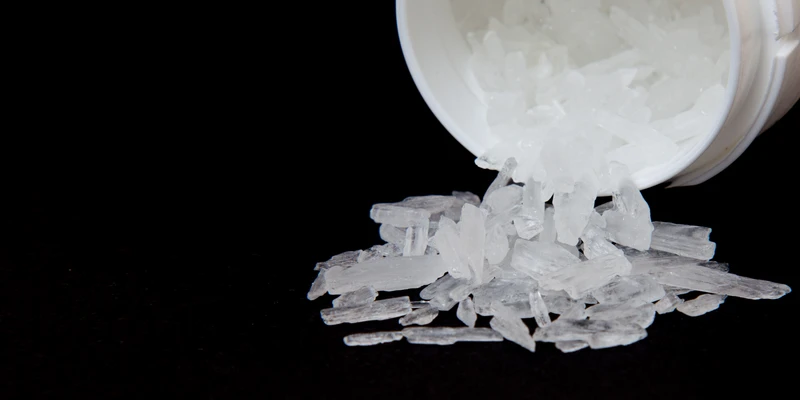
Chemical Composition and Origin
Crack cocaine begins as cocaine hydrochloride, a substance derived from the coca plant and commonly distributed as cocaine powder. Manufacturers mix the powdered form with baking soda or ammonia and heat the mixture to remove the hydrochloride. The process makes crack cocaine form into small, hardened crystals known as “rocks.”
When heated, these rocks crackle. The street name given to the substance stems from the name of the crackling sound produced during use. Smoking crack sends the drug through the lungs and into the brain within seconds, causing an immediate but brief euphoric effect.
Though cocaine is processed into different forms, cocaine and crack share the same active chemical. Their major differences lie in preparation and the route by which people use crack or cocaine.
Difference Between Crack and Cocaine
Powder cocaine and crack cocaine differ mainly in how they are used and how quickly their effects begin. Powder cocaine is typically snorted, dissolved for injection, or rubbed onto the gums. When someone snorts or injects powdered cocaine, the effects usually begin within one to five minutes and may last anywhere from fifteen to sixty minutes.
In contrast, crack cocaine is smoked, allowing the drug to reach the brain within seconds. The high arrives almost immediately but fades after only five to fifteen minutes. Because the high from crack comes on so quickly and disappears just as fast, people often use crack repeatedly in short bursts. As a result, using crack cocaine significantly increases the risk of addiction compared to powder cocaine.
While both forms can cause anxiety, paranoia, heart strain, and other health issues associated with cocaine use, the fact that crack creates such an abrupt and powerful rush makes it more addictive than powder cocaine for many individuals.
Freebase and Freebasing Explained
Freebase refers to cocaine in its pure base form. Freebasing involves heating cocaine to create vapours for inhalation. Crack is considered an addictive form of cocaine in freebase form, produced without the hazardous chemicals once used in traditional freebasing.
When smoking crack and injecting powder, both methods deliver the substance to the brain quickly, but smoking tends to produce a sharper spike in effects. This rapid action makes crack particularly dangerous, increasing the potential for overdose, lung injury, and escalating drug abuse.

How Do People Use Cocaine and Crack?
Crack cocaine is most commonly smoked, but some individuals snort or inject various forms of cocaine. The way people use the drug affects both its impact and the potential health consequences.
Smoking Crack Cocaine
Smoking is the main method of using crack. Heating the rocks in a pipe releases vapours that enter the lungs and transmit the drug to the brain within seconds.
Because the high is brief, people often repeat the process quickly, which increases the risk of lung damage, chest pain, breathing issues, and long-term dependence. Crack users may experience coughing, airway irritation, or worsening respiratory conditions. This cycle helps explain why crack cocaine is a highly addictive substance.
Snorting and Injecting Cocaine
Snorting cocaine, often through finely crushed powder, produces a slower onset but longer-lasting effects. Chronic snorting can damage nasal tissues, lead to frequent nosebleeds, or impair the sense of smell.
Injecting introduces the drug directly into the bloodstream, creating immediate and intense effects but raising substantial risks such as infections, vein damage, and cocaine overdose. Both routes may lead individuals from using cocaine in powder form to eventually shifting to smoking crack cocaine due to its faster, more powerful impact.
Patterns of Crack Use
Patterns of crack use range from short, repeated smoking sessions to longer binges lasting hours or days. Research shows that crack cocaine use often develops after someone begins with powder cocaine, largely because crack cocaine delivers a faster and more intense high.
A study of 150 cocaine users found that most used cocaine regularly but not daily, with smoking (40%), snorting (32%), and injecting (24%) as the main routes. Injectors used more often and in higher doses, showing the highest dependence, while snorting showed the lowest, with crack smoking in between.

Short-Term and Long-Term Effects of Crack Cocaine
Crack cocaine is a powerful stimulant drug that produces immediate changes in the body and brain. While the initial rush includes heightened alertness and pleasure, both short-term and long-term effects of crack or cocaine can be severe.
Immediate Physical and Psychological Effects
When you smoke crack, the effects occur within seconds. Users may feel talkative, energised, or confident. Physical responses include increased heart rate, elevated blood pressure, and reduced appetite. After the brief high, the crash brings irritability, anxiety, and strong cravings.
Other effects of cocaine use commonly include:
- Dilated pupils
- Increased heart rate
- Elevated blood pressure
- Reduced appetite
- Euphoria
- Anxiety
- Paranoia
- Restlessness
This rapid rise and fall of the drug’s effects contribute to why cocaine is a highly addictive substance and why crack may lead to repeated use within short periods.
Long-Term Health Consequences
Prolonged crack cocaine use places significant strain on the heart and lungs, increasing the risk of stroke, heart attack, breathing problems, and a condition known as “crack lung.”
Other organs, including the liver, kidneys, and reproductive system, may also suffer long-term damage. Extended use often results in malnutrition, sleep disruption, weakened immunity, and ongoing health complications associated with cocaine use.

Risks of Psychosis and Behavioural Changes
Repeated use of crack can trigger paranoia, hallucinations, delusions, or stimulant-induced psychosis. Some individuals experience formication, the sensation of insects crawling under the skin.
Cognitive changes may persist long after cessation, influencing mood stability, memory, and daily functioning. These symptoms can strain relationships and increase the risk of unpredictable behaviour.
Crack Cocaine Addiction Explained
Crack addiction is a severe form of cocaine addiction, driven by repeated exposure to short, intense highs. Over time, the brain becomes less sensitive to natural rewards and more reliant on the drug for dopamine stimulation. This shift makes stopping extremely difficult, even when someone is deeply struggling with addiction.
Withdrawal Symptoms and Cocaine Withdrawal
Stopping crack use often triggers a series of emotional and physical withdrawal symptoms, commonly referred to as a “crash.” These symptoms may include deep fatigue, irritability, anxiety, increased appetite, agitation, and strong cravings as the brain attempts to rebalance after repeated dopamine spikes.
Many people also experience mood swings or temporary depression, which can make early recovery feel discouraging. While crack withdrawal is not typically life-threatening, the psychological discomfort can be intense, and some individuals describe it as one of the hardest parts of quitting.
Symptoms may last for days or sometimes weeks, depending on the person’s level of use, overall health, and support system. A medically supported detox provides structure, emotional reassurance, and professional monitoring to help stabilise these reactions and reduce the risk of returning to use simply to feel relief.
Signs and Symptoms of Crack Addiction
Recognising the signs of substance abuse early can make a meaningful difference in someone’s ability to seek help. Many individuals experience noticeable shifts in mood, such as irritability, restlessness, or sudden bursts of energy followed by exhaustion, as the body cycles through highs and crashes.
Behavioural changes often appear as well, including withdrawing from responsibilities, avoiding loved ones, or spending increasing amounts of money and time securing the drug. Physical symptoms may include weight loss, difficulty sleeping, dilated pupils, or a generally run-down appearance due to poor nutrition and irregular routines.
These signs don’t always show up all at once. However, taking them together can indicate that someone is losing control over their use and may benefit from professional support.

Treatment and Recovery Options
Recovery from cocaine and crack cocaine use is absolutely possible. Supportive, evidence-based care combines medical treatment, therapy, and ongoing community support to help individuals regain stability.
Addiction Treatment Approaches
Most treatment plans for crack addiction follow the same structure, though the intensity varies depending on each person’s needs. Detox typically comes first and focuses on physically stabilising the individual through medical monitoring and symptom support as the drug leaves the body.
After detox, the next phase is therapy, which targets the emotional and behavioural side of recovery. This may include one-to-one counselling, group sessions, skill-building, and relapse-prevention strategies.
Once therapy is underway or completed, treatment moves into aftercare. This stage provides long-term support through continued counselling, peer groups, and ongoing check-ins designed to prevent relapse and reinforce healthy routines.
Contingency Management and Support Groups
Contingency management is a well-established, evidence-based approach that uses positive reinforcement to motivate individuals to stay engaged in treatment. These structured rewards may seem simple, but research shows they can significantly improve retention and reduce relapse during the early stages of recovery, when cravings and withdrawal-related stress are strongest.
Alongside this, support groups like Narcotics Anonymous (NA) and other peer-led meetings offer a sense of connection and accountability that many people find essential. Sharing experiences with others who understand the challenges of cocaine and crack use helps reduce isolation and build hope.
Regular group involvement also strengthens coping skills and provides ongoing encouragement long after formal treatment ends. When paired with therapy and professional support, contingency management and peer groups create a balanced recovery framework that supports both immediate progress and long-term stability.

Get Help for Crack Cocaine Addiction at Sierra Recovery
If you or someone you love is feeling overwhelmed by crack cocaine use or the impact it’s having on your life, Sierra Recovery is here to support you. We know how exhausting it can feel when addiction starts affecting your health, your relationships, and your sense of control. At Sierra Recovery, we meet you exactly where you are, without judgement or pressure, and help you find a clearer path forward.
Our team understands the emotional and physical toll that cocaine and crack use can create, and we’re committed to providing safe and supportive care. Here, you’ll work with professionals who listen and guide you every step of the way.
Whether you’re seeking answers, trying to understand your own symptoms, or looking for help for someone you care about, reaching out is a brave and meaningful first step. Whenever you feel ready, Sierra Recovery is here to offer the support you deserve. Let’s take the next step together.
Frequently Asked Questions
How does crack cocaine affect the brain?
Crack rapidly increases dopamine, causing short but intense highs. Over time, the brain becomes less responsive to normal pleasures, deepening dependence.
What are the potential health risks associated with crack cocaine use?
Crack can harm the heart, lungs, brain, and emotional well-being. Long-term use increases the risk of heart attack, stroke, respiratory problems, and severe psychological symptoms.
Can crack cocaine addiction be treated, and what methods are most effective?
Yes. Treatments typically include medically supported detox, therapy, structured rehabilitation, and long-term aftercare.
What distinguishes crack cocaine from other forms of cocaine?
Crack is made by cooking powdered cocaine with baking soda, creating rocks that are smoked. Smoking causes a faster, more intense high.
What are the legal consequences of possessing or distributing crack cocaine?
Possession or distribution of crack carries severe legal penalties, including long prison sentences and significant fines.
How does the impact of crack cocaine differ from that of powdered cocaine?
Crack’s effects strike harder and faster but fade quickly, making repeated use more likely. Powdered cocaine lasts longer but typically produces a less intense high.