
Checked for clinical accuracy on 9 August 2026. Next review due August 2027. This article is general information and is not a substitute for advice about your own situation.
People choose rehab in Spain for two reasons that stand up to scrutiny: it costs meaningfully less than equivalent private treatment in the UK, and being a long way from your own life does real clinical work. Everything else you will read about Mediterranean light and healing landscapes is decoration on those two arguments.
This article makes the case properly, which means also making the case against. Treatment abroad has genuine drawbacks, and a page that pretends otherwise is not worth your time when you are making a decision this size.
Cost, and what it actually buys
Four weeks of private residential rehab typically runs to £14,000 to £20,000 at UK private clinics. Licensed centres in Spain start from around £9,900. That gap is the single most common reason a British family ends up looking at Europe, and it is not a small one: it is often the difference between treatment being possible and not.
The reasonable next question is what you give up for it. The honest answer is mostly property prices and the general cost of living, not clinical hours. Andalusian farmland is cheaper than Surrey, and the cost of running anything in Spain, from premises to utilities to salaries across every sector, sits below UK levels. None of that makes the therapy worse.
What you should be suspicious of is the opposite end. Spain also contains some of the most expensive rehab in Europe, particularly the villa cluster around Marbella, where a month at the top of the market runs to €18,000 to €25,000. Going abroad is not automatically cheaper. It is cheaper if you choose carefully, and the price range within Spain is wider than the gap between Spain and Britain.
If you want the full working, we take a month of treatment apart line by line in what rehab actually costs.

Weighing up Spain? Ask before you decide
You will speak to our admissions team, all of them clinicians. Confidential, in English, and the assessment is free. If Spain is wrong for you, we will say so.
Distance as a clinical tool, not a holiday
This is the argument that gets made badly most often, so it is worth making precisely.
Addiction attaches itself to places, people and routines. The route home that passes the shop. The colleague you drink with. The hour of the evening when it always starts. These are not incidental details, they are cues, and they are a substantial part of why stopping at home is harder than it looks from outside.
Residential treatment works partly by interrupting all of that at once. Going abroad extends the interruption. It is harder to discharge yourself at eleven at night when you are in another country, and it is harder for the people attached to your using to reach you. For someone who has tried at home more than once, that difference is not cosmetic.
What this is not is a holiday. A month of structured group work is demanding, and the setting is largely irrelevant to whether it works. Anyone selling you a beach as a treatment modality is selling you a beach.

Small centres versus large ones
Size affects treatment more than nationality does. A sixty-bed facility running twelve people through a group is a different experience to eight people in a room, regardless of which country it sits in.
Spain's market skews small, largely because most centres here were built for international clients rather than domestic volume. That tends to mean more individual therapy and groups small enough that you cannot sit quietly at the back for four weeks. It is worth asking any centre, in Britain or Spain, two direct questions: how many clients are here at once, and how many one-to-one sessions a week do I get. The answers tell you more than any brochure.
What Spain does not solve
Now the case against, because it is real and you should hear it before you book anything.
Your family is further away. Family work is one of the more effective parts of residential treatment, and it is simply easier when relatives can drive over. Spain mitigates this rather than fixing it: Málaga is under three hours from most UK airports with one hour of time difference, so a family session is a day trip rather than an expedition. That is much better than long-haul, and still worse than an hour up the M4.
Aftercare has to be deliberate. This is the biggest one, and it is where treatment abroad most often fails. The month is the easy part. Relapse risk sits in the year afterwards, and if your centre is a thousand miles from where you live, continuing care will not happen by default. Ask any overseas centre exactly what happens in weeks five to fifty-two, and whether there is a written handover to your GP. If the answer is vague, that is the answer.
Detox is a separate question. Most Spanish residential centres, including ours, are not licensed to run a medical detox. Withdrawal from alcohol or benzodiazepines can cause seizures and, at worst, delirium tremens, which needs a hospital and not a villa. If you are physically dependent, the detox happens first, in a medical setting, and any centre implying otherwise is describing something its registration does not cover.
Nobody else is regulating it for you. The CQC does not inspect Spanish centres. That does not mean Spain is unregulated, but it does mean the checking is your job, and the next section is how to do it.
How to check a Spanish centre is real
Spanish healthcare is devolved, so each region keeps its own register of authorised health centres. Any legitimate residential centre is on the register for the region it physically sits in, and the entry states what it is authorised to do.
Four questions, in order:
- What is your registration number and registered name? A registered centre answers immediately. Hesitation here is your answer.
- Does the register match the region? A centre in Andalusia carries an N.I.C.A. number on the Andalusian register. The Balearics and Catalonia have their own.
- What does the entry authorise? The step nearly everyone skips. Authorisation to provide addiction care is not a hospital licence, and does not permit medical detoxification.
- Do you pay or accept referral fees? Much of the international market runs on commissions of twenty to thirty per cent paid to whoever referred you. That comes out of your fee and buys you nothing clinical.
Ours is N.I.C.A. 67331 on the Andalusian register, which makes us a registered health centre with a supervised treatment residence and expressly not a hospital or a detox unit. You can look it up yourself, and we set out what it does and does not cover on our regulation and licensing page. There is more detail on the whole process in private rehab in Spain.
Who Spain genuinely suits
It suits you if UK private treatment is out of financial reach but you can fund something at the European level. It suits you if you have tried to stop at home and the environment keeps winning. It suits you if discretion matters, because being treated in another country removes the risk of being recognised in a waiting room. And it suits you if you can commit to aftercare that is arranged rather than assumed.
It suits you less if you are medically fragile and need a hospital rather than a residential programme, if you have caring responsibilities you cannot hand over for a month, or if your support network is so local and so strong that leaving it would cost more than the distance gains.
Anyone who tells you it suits everybody is selling.
What the programme involves
At our centre, a month means three structured group sessions a day plus an afternoon group activity, three one-to-one sessions a week, and a seventeen-module curriculum covering relapse, trauma, family patterns and the practical business of living without the substance. The clinical method is adapted from PROMIS Clinics, who have been treating addiction in the United Kingdom since 1986.
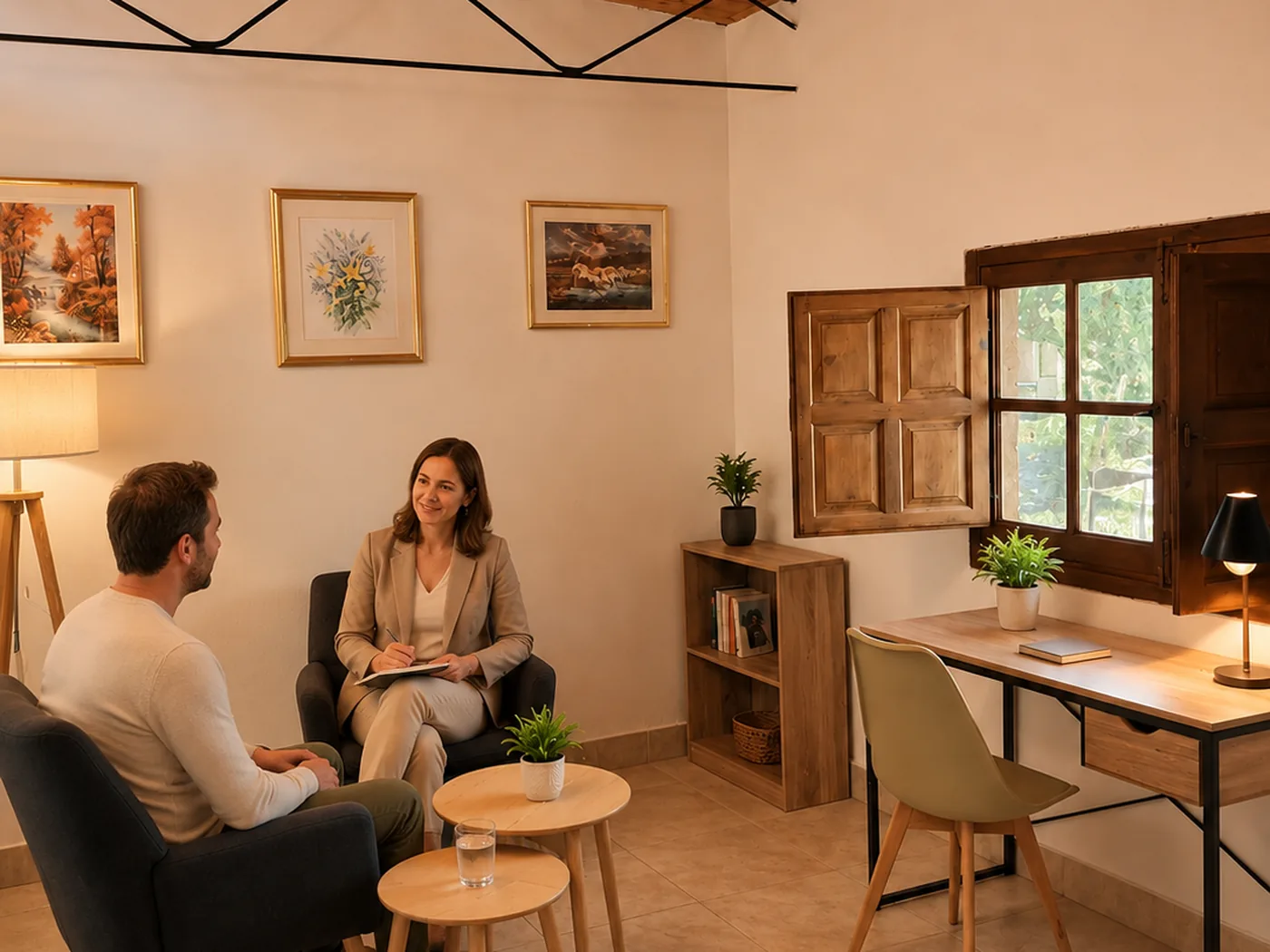
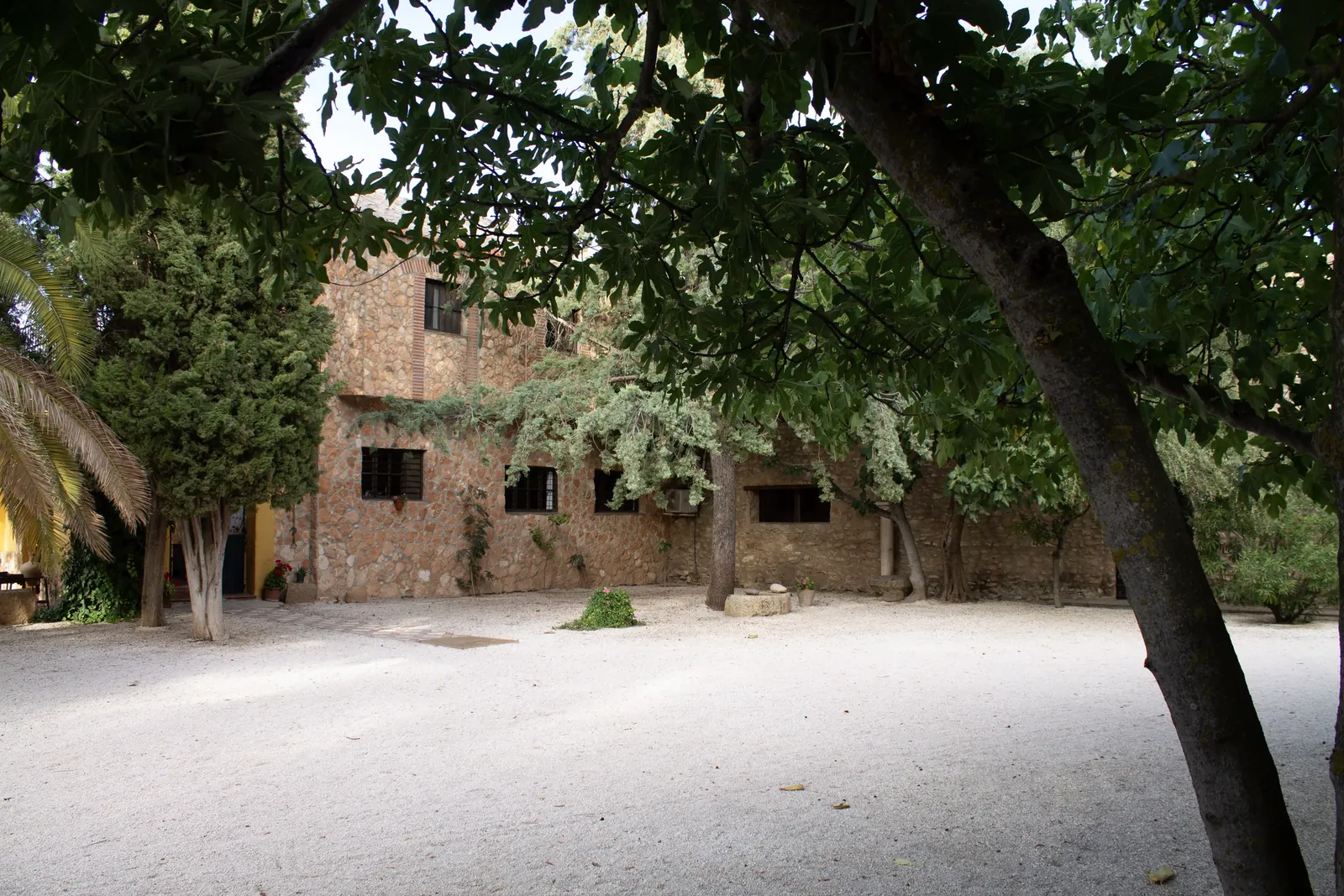
Around that: yoga daily, physical work most days, equine therapy with horses that live on the land, and walks in the olive groves. The published price is £9,900 for twenty eight days with a private room included, with hospital detox and medical costs billed separately. Continuing care runs online and in person in London, and it is agreed before you leave rather than mentioned on the last morning.
Frequently asked questions
Why is rehab in Spain cheaper than the UK?
Mainly property and the general cost of living rather than anything clinical. Land in inland Andalusia costs a fraction of the equivalent in southern England, and the cost of running a business in Spain sits below UK levels across the board. Four weeks in the UK typically runs £14,000 to £20,000 against around £9,900 at licensed Spanish centres. Note that Spain also has a luxury segment running to €18,000 to €25,000 a month, so going abroad is not automatically cheaper.
Is rehab in Spain regulated?
Yes. Each Spanish region maintains a public register of authorised health centres, and residential addiction centres must be entered on the register for their region. In Andalusia that means an N.I.C.A. number. The CQC has no jurisdiction, so verifying registration is the client's responsibility.
Can I detox in Spain?
In a hospital, yes. Most residential rehab centres in Spain are not authorised to provide medical detoxification, so where you are physically dependent the detox is completed in a medical setting before admission to the residential programme.
What about aftercare when I go home?
This is the most important question to ask any overseas centre, and the one that most often exposes a weak programme. Ask what happens in weeks five to fifty-two and whether there is a written handover to your GP. Ours runs for a full year: one session a week, online or in person at the PROMIS clinics in London, which is more than 48 sessions across the twelve months after you leave, included in the fee.
Will the NHS or my insurance pay for rehab in Spain?
The NHS does not fund private rehab abroad, and the GHIC and EHIC cover state-provided necessary care rather than planned private treatment. Most UK private medical insurance excludes treatment outside the UK, though wording varies, so check your policy.
How long should a rehab stay in Spain be?
Twenty eight days is the standard residential programme and the shortest stay most clinicians would consider a full course. Shorter stays exist and longer ones are common where there is significant trauma or a history of relapse. The right length is a clinical question, not a budgeting one.
Still deciding whether Spain is right for you?
You will speak to our admissions team, all of them clinicians. The assessment is free and by telephone. If we are not right for you, we will say so and tell you where to look.
 +
+
Talk to a clinician today
You will speak to our admissions team, English-speaking clinicians who know the programme and the people in it. Callback within 24 hours.
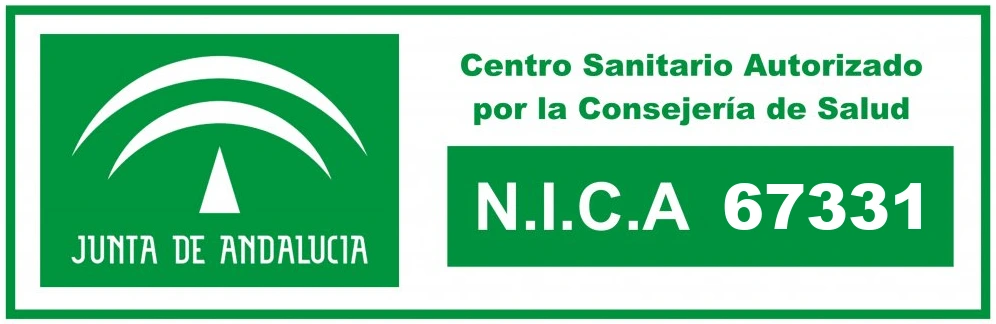
Registered health centre. Authorised by the Junta de Andalucía, N.I.C.A. 67331.