Home / Cost of rehab / Thailand
The honest cost guide
How Much Does Rehab Cost in Thailand?
Thailand has become one of the largest destinations in the world for private addiction treatment, and its prices are quoted in a way that makes them hard to compare. Here is the actual range, what sits outside the headline figure, and where Thailand is and is not the right answer.
Checked for accuracy on 9 August 2026. Next review due August 2027. This page is general information and is not a substitute for advice about your own situation.
A 28 to 30-day residential programme in Thailand is generally quoted between US$5,000 and US$15,000, with budget centres from around US$3,000 a month and luxury centres reaching roughly US$20,000. At recent exchange rates the common middle band works out at somewhere near £5,500 to £11,000 for a month, though rates move and every Thai centre prices in dollars. The figure that matters is not the headline but what it leaves out: flights, detox, medication, psychiatric input and, most importantly, the aftercare you will need once you are home and eleven time zones away from the people who treated you.
Stopping alcohol or benzodiazepines abruptly can cause seizures if you are physically dependent, and that risk does not wait for a flight. Get medical advice before you travel anywhere. In an emergency in Thailand call 1669 for an ambulance, or 112 in Europe and 999 in the UK. Any medically supervised withdrawal should be completed in an appropriate medical setting before a residential programme begins, wherever that programme is.
What rehab in Thailand actually costs
Thai centres publish prices more openly than most, which is genuinely to their credit. The difficulty is that "rehab in Thailand" spans a wider range of establishments than almost anywhere else, from small recovery houses to resorts with a clinical team attached.
| Type of centre | Typical price | What that usually means |
|---|---|---|
| Budget residential | US$3,000 to US$7,000 a month | Shared rooms, a peer-led or lightly staffed programme, limited medical cover on site. |
| Mid-range residential | US$7,000 to US$14,000 for 30 days | Private room, a qualified clinical team, a structured therapy programme. Where most international clients land. |
| Typical 28 to 30-day programme | US$5,000 to US$15,000 | The band most commonly quoted across Thai providers and treatment directories. |
| Luxury | Up to around US$19,900 a month | Resort accommodation, high staff ratios, extensive additional therapies. |
| Phuket, alcohol programmes | US$8,000 to US$12,000 a month | An example of regional pricing from a provider publishing its own figures. |
Sources for these bands are listed at the foot of this page. They come from Thai providers publishing their own prices and from treatment directories that aggregate them, rather than from our own estimates.
Why the range is so wide
A tenfold spread between the cheapest and the most expensive is unusual in healthcare, and it reflects a genuine difference in what is being sold rather than clever pricing.
At the lower end you may be buying accommodation, food, a timetable and peer support. That is a legitimate and sometimes very effective model, but it is not the same product as a clinical programme. At the upper end you are buying staff time: qualified therapists, medical and psychiatric input, and a low number of clients per clinician. Staff ratio is the single biggest driver of cost in any residential setting, in Thailand or anywhere else.
The other reason is that regulation of addiction treatment for foreign visitors is less transparent than in Europe. That makes the burden of checking fall on you rather than on a public register, which is a real difference and worth weighing.
What the price usually includes, and what it does not
| Usually included | Usually extra |
|---|---|
| Accommodation and all meals | Flights, for you and anyone travelling with you |
| The core group and individual therapy programme | Medical detox, where it is needed |
| Basic on-site medical monitoring | Medication, laboratory tests and psychiatric consultations |
| Activities and excursions, at some centres | Travel insurance that will actually cover you |
| A period of aftercare, often online | Ongoing therapy at home once the online sessions stop |
The costs nobody quotes
Return flights from the UK to Bangkok, Phuket or Chiang Mai are rarely under a few hundred pounds and can be a great deal more in season. If a family member travels for a visit or for family work, double it. Airport transfers at the Thai end are usually included, but the leg from your home to the airport is not.
Then there is the harder one to price. Residential treatment is four weeks. Recovery is not. What determines whether a stay holds is what happens in the following twelve months, and if your treating team is in Thailand, that follow-up is a video call across a six or seven-hour time difference. Some people manage that well. For many, the practical result is that aftercare quietly stops, and it is the aftercare that was doing the work.
Comparing destinations properly?
We publish our full price and our licence number, and we will tell you honestly if we are not the right fit. The assessment is free.
Detox is a separate question, wherever you go
Almost every quoted programme fee assumes you arrive medically stable. If you are physically dependent on alcohol or benzodiazepines, a medically supervised withdrawal has to happen first, and that is a hospital matter rather than a residential one. Doing it before a long-haul flight rather than after is not a preference, it is basic safety, and any centre that offers to fly you out mid-withdrawal is telling you something about how it operates.
At Sierra the detox happens in a hospital before admission, arranged as part of the assessment and billed separately. You can read how that works on our alcohol detox and drug detox pages.
Checking a rehab centre in Thailand is licensed
This is the check worth making, and it matters more when you are booking from six thousand miles away and cannot walk in and look.
Thailand licenses private clinical facilities through the Ministry of Public Health. The base instrument is the Private Hospital Act B.E. 2541, which requires any facility providing clinical services, including medical detox, medication management and psychiatric care, to hold an operating permit. A second layer, the Drug Addict Rehabilitation Act B.E. 2545, sets standards specific to treating drug dependency, with the Narcotics Control Board coordinating alongside the Ministry.
The practical consequence is the same one that applies in Spain. A permit to run a residential programme is not a permit to run a medical detox, and a company registration, a hotel licence or a certificate from an international membership association is not a health authorisation at all. Any of them can be presented as though it were.
What to ask, in writing, before you pay a deposit:
- The licence number and the exact registered company name, so you can look it up rather than accept a photograph of a certificate.
- Which Act it is issued under, and whether it covers inpatient treatment, medical detox, or only non-clinical residential accommodation.
- The level of care actually on site overnight. Who is the prescribing doctor, are nurses present twenty four hours a day, and how far is the nearest hospital.
- What the quoted length of stay includes and what is billed on top. Get it itemised before you transfer money internationally, because recovering an overpayment afterwards is close to impossible.
A licensed treatment centre answers the first question immediately. Be wary of any centre that offers reviews, awards or a directory listing in place of a licence number, and be especially careful where the marketing emphasises the setting rather than the clinical service. Facilities cluster around Chiang Mai, Bangkok, Phuket and Koh Samui, and the quality range within each of those is wider than the difference between them.
Thailand compared with Spain and the UK
| Thailand | Spain, at Sierra | UK private | |
|---|---|---|---|
| Typical 28 days | US$5,000 to US$15,000 | £9,900, published | Commonly £12,000 to £40,000 |
| Flight from the UK | 11 to 13 hours | Around 3 hours | None |
| Time difference | 6 to 7 hours | 1 hour | None |
| Family visits | Rarely practical | Feasible | Straightforward |
| Checking the licence | Varies, often difficult | Public register, N.I.C.A. 67331 | CQC register |
| Aftercare at home | Online, across time zones | Online or in person in London | In person |
We have an obvious interest here, so treat the middle column accordingly and check it. Our registration is on the Andalusian public register and the number is N.I.C.A. 67331.
Who Thailand genuinely suits
It suits people who want maximum distance from their environment and can afford the time and the travel. It suits people already living or working in Asia, for whom it is the local option rather than the exotic one. And at the budget end it is one of very few places offering months of residential time at a price that would buy weeks in Europe, which for some people is exactly the right trade.
It suits you less well if you are physically dependent and unstable, if your family needs to be part of the treatment, if you have a mental health condition needing ongoing psychiatric care, or if the honest answer is that you will not sustain a video call at eleven at night six months from now.
Frequently asked questions
How much does a month of rehab in Thailand cost?
Most international clients pay between US$7,000 and US$14,000 for a 30-day programme with a private room and a qualified clinical team. Budget centres start around US$3,000 a month and luxury options reach roughly US$19,900. The commonly quoted band across providers and directories for 28 to 30 days is US$5,000 to US$15,000.
Is rehab in Thailand cheaper than the UK?
Usually yes, and often substantially. UK private residential treatment commonly runs from around £12,000 to £40,000 a month. The comparison is only fair once you add flights, any detox, and the cost of arranging aftercare at home, because those are the items that differ most between destinations.
Does the price include detox?
Usually not, and you should assume it does not unless it is written down. Medical detox, medication, laboratory tests and psychiatric consultations are commonly billed separately. Ask for an itemised quotation before you pay a deposit anywhere.
Will my insurance cover rehab in Thailand?
Many UK policies exclude treatment outside the UK altogether, and those that do cover it often require pre-authorisation. Check the exact wording with your insurer before booking, and get their position in writing.
Is it safe to fly to Thailand for treatment?
It is, provided you are medically stable before you fly. Flying long-haul while in withdrawal from alcohol or benzodiazepines is not safe, and a detox should be completed in an appropriate medical setting first.
What about aftercare when I come home?
This is the weakest point of long-haul treatment and the one worth pressing hardest on. Ask any centre what aftercare looks like twelve months out, who delivers it, what time of day the sessions run in your time zone, and what it costs. If the answer is vague, that is your answer.
How do I check a rehab centre in Thailand is licensed?
Ask in writing for the licence number and the exact registered company name, and confirm it with the Ministry of Public Health rather than with the centre. Facilities providing clinical services need an operating permit under the Private Hospital Act B.E. 2541, and treating drug dependency brings in the Drug Addict Rehabilitation Act B.E. 2545 on top. A company registration or a directory listing is not a health licence, and a permit for residential accommodation is not a permit for medical detox.
Sources
Price bands on this page come from providers publishing their own figures and from treatment directories aggregating them: Recovery.com on the cost of rehab in Thailand, together with the published rate cards of Siam Rehab, Thailand Recovery, Phuket Island Rehab and The Cabin in Chiang Mai, each checked on their own site. Dollar to sterling conversions are approximate and move with the exchange rate.
Licensing: the Private Hospital Act B.E. 2541, which governs operating permits for facilities providing clinical services, and the Drug Addict Rehabilitation Act B.E. 2545, which sets standards specific to treating drug dependency, both administered through the Thai Ministry of Public Health with the Narcotics Control Board coordinating. Confirm any licence number directly with the Ministry rather than with the centre selling you the bed.
Figures and licensing checked on 10 August 2026. Prices and permits change, so confirm both before you commit.
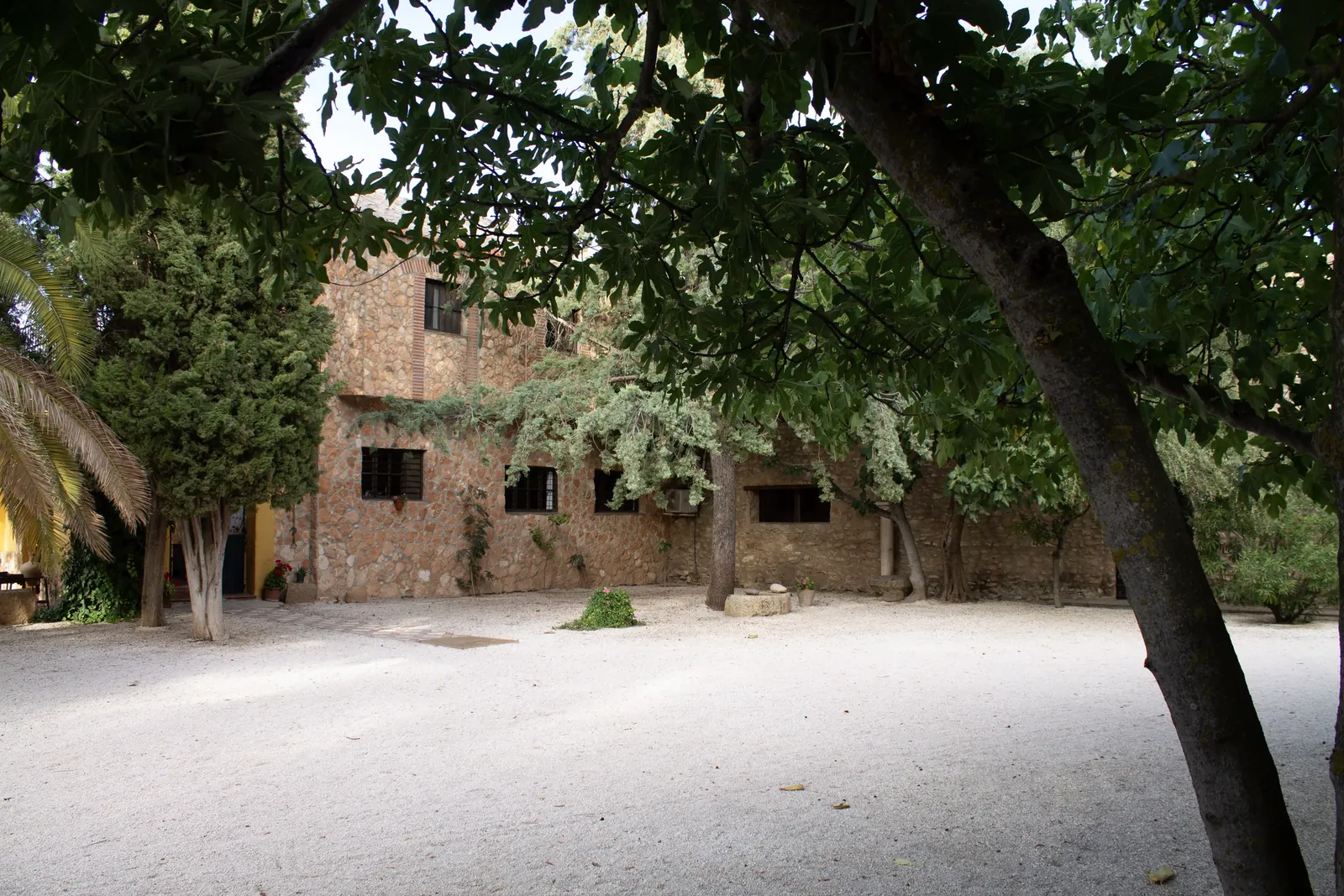
Want the European comparison?
Three hours from the UK, one hour of time difference, a published price and a licence you can look up.
What rehab costs elsewhere
Or read what a stay actually costs, country by country, and what Sierra Recovery charges.
 +
+
Talk to a clinician today
You will speak to our admissions team, English-speaking clinicians who know the programme and the people in it. Callback within 24 hours.
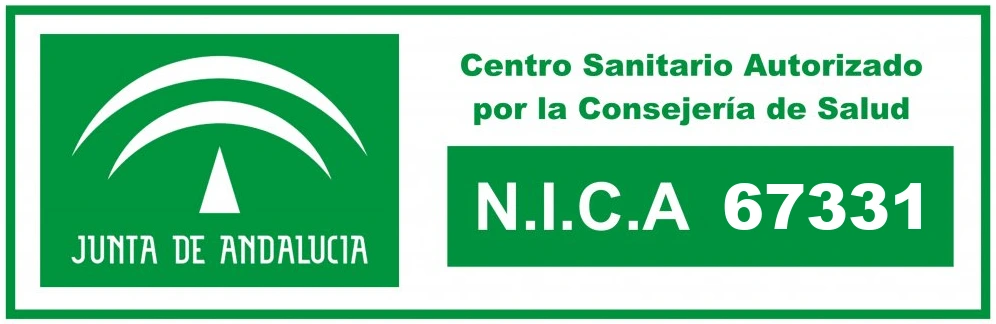
Registered health centre. Authorised by the Junta de Andalucía, N.I.C.A. 67331.