Home / Local treatment guides / Málaga
Treatment options in Málaga
Rehab in Málaga: the main options, compared
The real routes to rehab in Málaga province, from free Andalusian public treatment and English-language AA meetings to private residential care, and how to check any centre here is legally authorised. This is also the one place on this site where we can say we are actually here.
Checked for accuracy on 9 August 2026. Next review due August 2027. This page is general information and is not a substitute for advice about your own situation.
Stopping alcohol or benzodiazepines abruptly can be dangerous if you are physically dependent, and severe withdrawal can include seizures. Get medical advice before you cut down or stop. In a life-threatening emergency in Spain call 112. In the UK call 999, or NHS 111 for urgent advice.
You do not have to pay for addiction treatment in Málaga. Andalusia runs a free public addiction network, and English-language AA meets across the province and the Costa del Sol. Privately, Málaga province covers everything from the luxury villa market on the coast to smaller licensed residential centres inland. Any centre treating addiction here must hold a health authorisation and appear on the Andalusian register with a N.I.C.A. number, which you can check yourself in a minute. Ours is 67331.
People look for this in a lot of ways: rehab Malaga, alcohol rehab Malaga, drug rehab Costa del Sol, addiction treatment Andalusia. The options below are the same whichever phrase brought you here.
Speak to a clinician about treatment options in Málaga
Confidential, no obligation, and no referral fee is paid to anyone for sending you here.
The picture in Málaga province
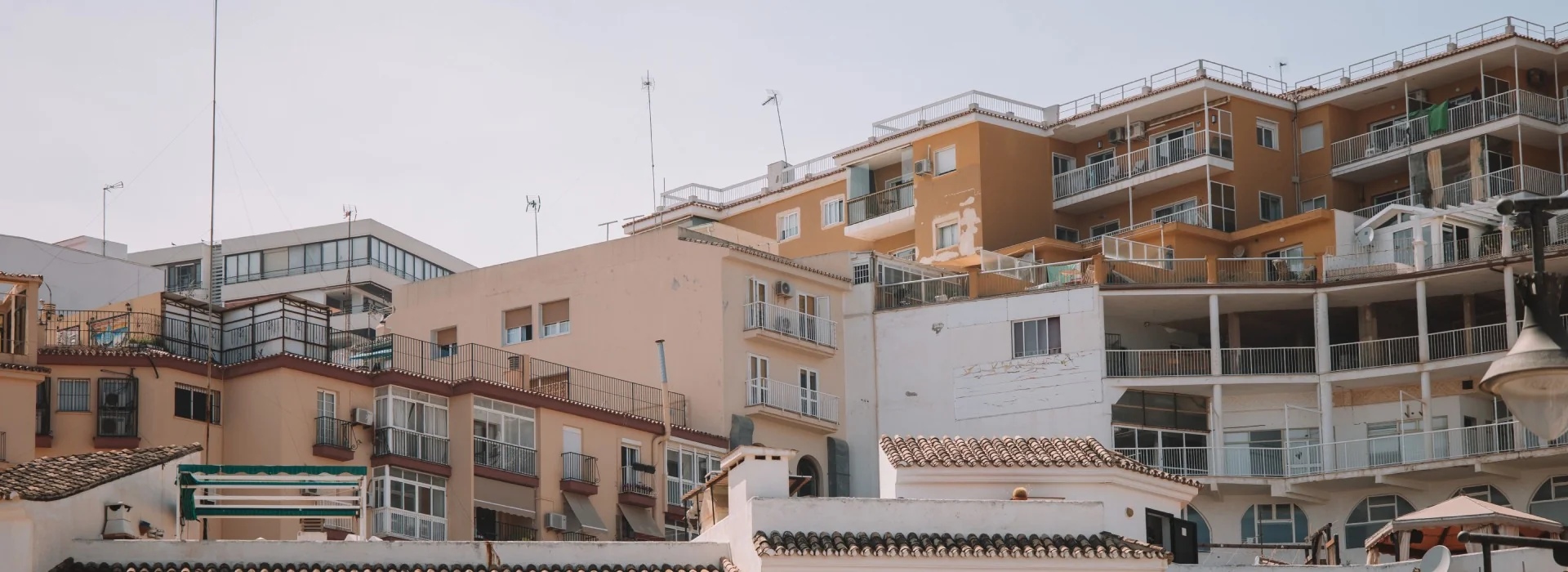
Málaga means two quite different places in southern Spain, and the difference decides more about your treatment than the brochure will.
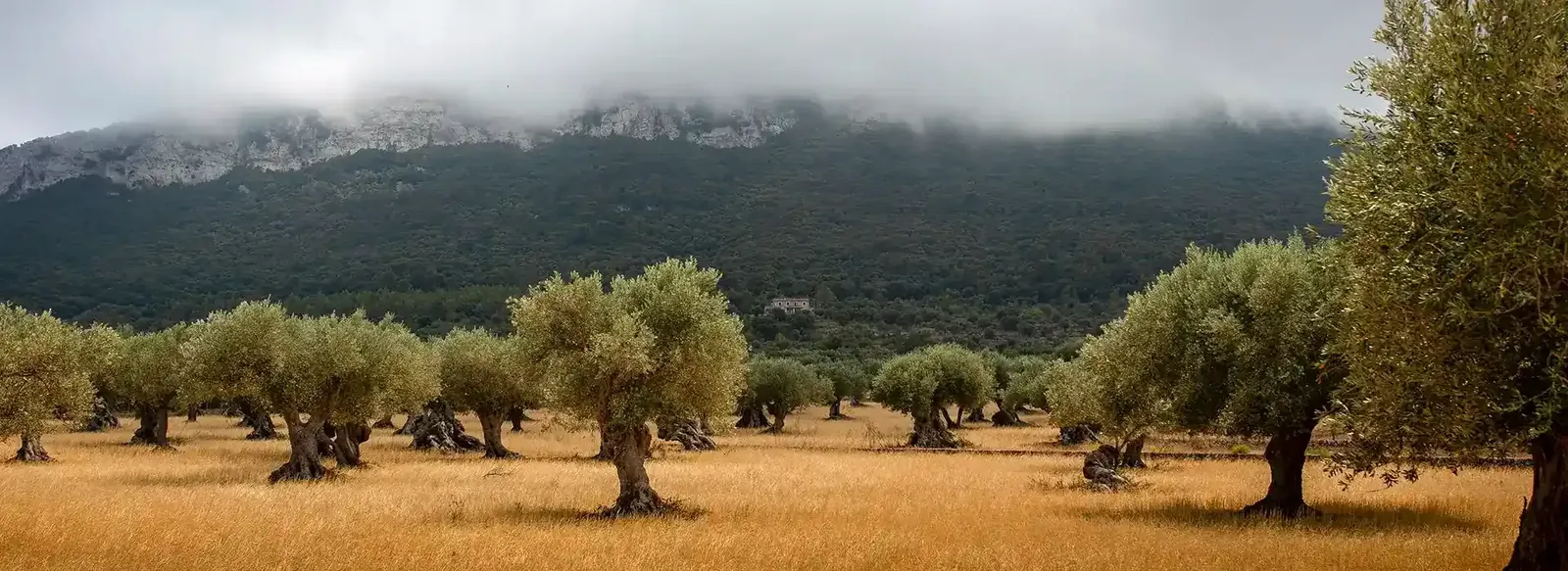
There is the city and the coastal strip, busy and built up, running from Torremolinos through Fuengirola and Marbella to Estepona. That is where the international private market for drug and alcohol treatment sits. And there is the province behind it, farmland, olive groves and limestone hills, with Antequera and El Torcal at its centre.
The coast is built around drinking. It is a resort strip where the bars are the industry and somebody is always celebrating something. That is not a moral point, it is a practical one: a residential month spent negotiating with that environment is a harder month than one spent away from it.
The provision follows the same line. Most of the public network sits where the people are, in the city and along the coast, and most of it is outpatient. The residential authorisations are a small minority and most of them sit inland. You can see the whole thing further down this page, because we publish the list rather than describing it.
There are three real routes out of this in Málaga province, and two of them cost nothing.
Free addiction treatment in Málaga province
Read this section before you price anything. A clinic that describes only its own programme has told you about one option out of six, and we would rather you saw the other five first.
Andalusia runs a public addiction network, the Red de Atención a las Adicciones (the Andalusian public network for addiction care), coordinated under the Plan Andaluz sobre Drogas y Adicciones. It is free at the point of use, and it contains more than most English speakers here realise. It is not one service. It is six.
| Spanish name | What it is | How you get in |
|---|---|---|
| Centro de Tratamiento Ambulatorio (CTA) | Outpatient treatment centre. Scheduled appointments covering assessment, treatment, detox support, rehabilitation and reintegration. | This is the door. Everything else is reached through it. |
| Comunidad Terapéutica (CT) | Therapeutic community. Residential treatment, publicly funded. | By referral from your CTA only. You cannot refer yourself. |
| Centro de Día (CD) | Day centre. Structured daytime activity alongside treatment, supervised by health staff. | On the recommendation of your CTA, which you stay linked to throughout. |
| Unidad de Desintoxicación Hospitalaria (UDH) | Hospital detoxification unit, for withdrawal that needs inpatient care because of its complexity or an associated illness. | Free, through your CTA and an admission protocol. |
| Centro de Encuentro y Acogida (CEA) | Reception and contact centre. Low threshold, for support before or alongside formal treatment. | Direct contact. |
| Vivienda de Supervisión al Tratamiento / a la Reinserción (VST, VSR) | Supervised housing, for the treatment phase and for the reintegration phase afterwards. | On the recommendation of your CTA. |
It covers more ground than people expect, too. Alcohol addiction and drug addiction are the bulk of the caseload, but behavioural addiction is treated here as well: one of the outpatient centres in the register table further down this page is specifically a behavioural addictions service.
Two things follow from all of that, and they pull in opposite directions.
The first is that a funded residential place exists in Andalusia. Most people who arrive on this page assume residential rehab means private treatment. It does not. A comunidad terapéutica is residential, it is part of the public network, and it is free. You reach it through a CTA rather than by ringing it directly.
The second is that all of it is delivered in Spanish. That is the practical limit for most people reading this page in English, and it is the honest reason a large share of the English-speaking population here ends up paying. Not because the public network is poor. Because you cannot do trauma work in a language you are still translating.
How to get a first appointment in the public system
The entry point is the CTA, and there is a free line that will tell you which one is yours and what to ask for.
Teléfono de Información sobre Adicciones, 900 845 040. Free, run by the Consejería de Salud y Consumo. It exists to tell you which centre to approach and how to request admission. If you read nothing else in this section, start with this number.
Your centro de salud and médico de familia. The standard route into Andalusian care. Book through the ClicSalud+ portal, through Salud Responde on 955 54 50 60, or in person.
Centro Provincial de Drogodependencias, 952 069 600. The provincial hub, run by the Diputación de Málaga, at Calle Ana Solo de Zaldívar 3, 29010 Málaga, Monday to Friday, 08:00 to 15:00, by appointment. It coordinates the CTA network across the province.
Proyecto Hombre Málaga, 952 353 120. A non-profit foundation at C/ Eduardo Carvajal 4, 29006 Málaga, running prevention, therapy and reintegration programmes. First contact is by phone, WhatsApp, email or form, and no referral is needed. It appears four times in the register table below, which is why it is worth knowing the name.
On paperwork. For an Andalusian health card you will generally need the application form, your identity document, proof that you are covered by public healthcare, and a certificado de empadronamiento showing you are registered with your town hall. The empadronamiento is the document that does the work. If you live here and have never registered, that is the first errand, not the last.
If you are visiting rather than living here, the public network is not built for you. A UK Global Health Insurance Card covers state healthcare that cannot reasonably wait until you get home. It does not cover private treatment, and it is not authorisation for treatment you have deliberately travelled to Spain for.
If you have moved here permanently, and you receive an exportable UK benefit such as the State Pension, registering form S1 with the DWP gives you access to Spanish state healthcare on the same basis as a Spanish resident. That is a residency entitlement, and it is a different thing from a GHIC.
We will not quote you a waiting time, because no official figure is published for this network and anyone who gives you one is guessing. Ask the helpline. It will know what is true this month.
AA, Al-Anon and other meetings in Málaga, in English
The Costa del Sol AA intergroup coordinates more than forty five English-language meetings a week. For mainland Europe that is unusual, and it is free.
Meetings run in Málaga city, Fuengirola, Marbella, Estepona, Torremolinos, Benalmádena, Nerja, Alhaurín el Grande and Torre del Mar, among others, and several are held online. The intergroup keeps the current schedule, and AA Spain lists English-language meetings for the rest of the country.
One correction, because we had this wrong ourselves until we checked it. The pan-European meeting finder returns nothing at all when you filter it to Málaga. For this province, use the intergroup or AA Spain, not the Europe-wide tool.
For families, Al-Anon holds English-language meetings in Fuengirola on Fridays in person, and in Marbella and Nerja online. Free, anonymous, and open to anyone affected by someone else's drinking. If you are the person reading this on behalf of somebody who will not read it themselves, that is the meeting for you.
On Narcotics Anonymous and SMART Recovery we will be straight with you. English-language NA meetings run elsewhere in Spain, but we could not confirm a standing English-language NA meeting in this province when we checked. Ask the AA intergroup, whose members will know what is actually running, or use the SMART Recovery international finder for an online group.
What actually happens at a first meeting
You turn up, you sit down, and you do not have to speak. Nobody takes your surname, nobody asks for money, and nobody will make you commit to anything. People share their own experience for an hour and then it ends. If you have been putting this off because you imagine something more confronting, the reality is duller and easier than the idea of it.
A meeting is not treatment and it is not mental health care. It is a room. But it is free, it is in English, it is running tonight somewhere within driving distance, and for a great many people it turns out to be the load-bearing part of addiction recovery long after any paid programme has ended.

Want an itemised quotation before you commit?
We publish our price. Hospital detox and medical costs are billed separately and quoted up front.
Checking a centre is authorised in Andalusia
Treating addiction is a regulated health activity in this region, and every centre doing it legally sits on a public register that takes about two minutes to search. Almost no one selling treatment here will tell you that unprompted.
The rules come from two places. Real Decreto 1277/2003 sets the national framework, and Decreto 69/2008 applies it in Andalusia through the Registro Andaluz de Centros, Servicios y Establecimientos Sanitarios. A registered centre is issued an N.I.C.A. number. Operating protocols come from the Orden of 29 May 2023, and an authorisation lasts five years before it has to be renewed.
The unit that matters is U.71, Unidad de atención sanitaria a drogodependientes (drug-dependency healthcare unit). That is the entry on a register record that authorises a centre to treat addiction, and it is the thing to look for.
A number of operations marketed internationally from this coast as alcohol and drug rehabs do not appear on the register at all. Our guide to rehab in Marbella takes that apart properly, and there is no point in us doing it twice.
One caution before you use any of this. Authorisation is the legal minimum for operating, not a quality badge. It tells you a centre is allowed to exist. It does not tell you it is any good, and it says nothing about what a month there is worth, which we cover separately in what a month of treatment actually costs to run.
How to search the register yourself, in two minutes
The register is public and free at the Junta de Andalucía oficina virtual. The form gives you a centre name field, a postal code, dropdowns for province, municipality and locality, a centre type, and a Unidades Asistenciales (care units) dropdown. The criteria stack, and there is a Limpiar button to clear them.
To check one centre: put the name in the name field and select the province. For us, type Sierra Recovery, select Málaga, and the entry for Sierra Recovery Services S.L. comes up with its N.I.C.A. number.
To list every authorised addiction centre in this province: leave the name blank, set Unidades Asistenciales to U.71 Atención Sanitaria a Drogodependientes and choose Málaga. That returns every centre legally authorised to treat addiction here, straight from the health authority rather than from any directory. If you do one thing from this page, do that.
How to read an entry once you have found it
Four things, in this order.
- The registered company name. It is usually not the name on the sign, and the mismatch is normal rather than suspicious. It is why you ask for the registered name in the first place.
- The N.I.C.A. number. This is the centre's identity on the register.
- The care unit. U.71 is the one that authorises addiction care. If it is not there, the centre is not authorised to treat addiction, whatever else the entry lists.
- The centre type code, which tells you what kind of place it is. C.2.5.90.2.1 is an outpatient addiction centre. C.3.7.1 is supervised treatment housing attached to a programme. C.1.1 is a hospital. Authorisation for an outpatient service is not authorisation for a residential unit, and neither of them authorises a medical detox.
What our own entry looks like
Run those four checks on us, since a test is worth more when the people setting it are inside it.
- Registered name: SIERRA RECOVERY SERVICES S.L.
- N.I.C.A.: 67331
- Care unit: U.71, Atención Sanitaria a Drogodependientes
- Centre type: C.3.7.1, supervised treatment housing attached to a programme
- Municipality: Humilladero
The sign outside says Sierra Recovery. The register says Sierra Recovery Services S.L. That gap between a trading name and a registered name is ordinary, and it is precisely why the question to ask is for the registered one. Type our trading name into the search and we come up. Type the name on a marketing website into it and you may get an empty result, which is itself an answer.
The full detail of what we are authorised for, and what that does and does not permit, is set out on our regulation and licensing page.
Talk it through with a clinician
A straight conversation about whether residential treatment is right, and what it would involve.
Every authorised addiction centre in Málaga province
Rather than describe the register, here it is. Every centre in Málaga province authorised for U.71 Atención Sanitaria a Drogodependientes, as the register returned it on 9 August 2026. Fifty five entries in total, which is the entire legally authorised addiction provision for the province.
| N.I.C.A. | Registered name | Run by | Type | Municipality |
|---|---|---|---|---|
| 7414 | CT_PADRE BENITO GIL | Private | C.2.5.90.2.3 | Algarrobo-Costa |
| 7391 | CT_LAS LOMAS | Private | C.2.5.90.2.3 | Almogía |
| 23468 | CTA_ALCOHOL_CALA | Private | C.2.5.90.2.1 | Antequera |
| 39629 | CTA_ANTEQUERA | Town council | C.2.5.90.2.1 | Antequera |
| 61202 | CTA_ASOCIACIÓN RESURGIR | Private | C.2.5.90.2.1 | Antequera |
| 68424 | GESTION INTEGRAL PARA LA PATOLOGIA DE LA ADICCION S.L | Private | C.2.5.90.2.1 | Antequera |
| 64708 | VST-VSR_ASOCIACION CASA MENGA | Private | C.3.7.1 | Antequera |
| 30456 | TORREQUEBRADA | Andalusian Health Service | C.2.3.1 | Benalmádena |
| 64297 | CTA_ESTEPONA II | Town council | C.2.5.90.2.1 | Estepona |
| 30455 | LA LOBILLA | Andalusian Health Service | C.2.3.1 | Estepona |
| 68423 | ASOCIACION ALTERNATIVA2 | Private | C.3.7.1 | Fuengirola |
| 7404 | CTA_ALTERNATIVA 2 | Private | C.2.5.90.2.1 | Fuengirola |
| 43800 | OLGA MARIA GARCIA CANO | Private | C.2.4.0 | Fuengirola |
| 67331 | SIERRA RECOVERY SERVICES S.L. ← this is us | Private | C.3.7.1 | Humilladero |
| 45305 | CTA_MARBELLA | Town council | C.2.5.90.2.1 | Marbella |
| 38043 | CTA_PROYECTO HOMBRE | Private | C.2.5.90.2.1 | Marbella |
| 63623 | VST_ASOCIACION HORIZONTE | Private | C.3.7.1 | Marbella |
| 16145 | HC MARBELLA INTERNATIONAL HOSPITAL | Private | C.1.1 | Marbella, Nueva Andalucía |
| 59218 | ANA MARIA MORENO MAYEN | Private | C.2.4.0 | Marbella, San Pedro Alcántara |
| 60244 | CENTRO DE RECUPERACION SMILES FOR LIVE, S.L. | Private | C.2.4.0 | Marbella, San Pedro Alcántara |
| 45303 | CTA_SAN PEDRO DE ALCANTARA | Town council | C.2.5.90.2.1 | Marbella, San Pedro Alcántara |
| 21051 | SAN PEDRO DE ALCANTARA_SUAP | Andalusian Health Service | C.2.3.1 | Marbella, San Pedro Alcántara |
| 7416 | CTA_MIJAS | Provincial council | C.2.5.90.2.1 | Mijas |
| 7407 | CT_MIJAS | Regional government | C.2.5.90.2.3 | Mijas, Entrerríos |
| 37901 | ADICCIONES, S.L. | Private | C.2.5.90.2.3 | Moclinejo |
| 64897 | ALVARO GRANDA CASTILLO | Private | C.2.2 | Málaga |
| 60263 | CEA_ADICOESTE, S.L. | Private | C.2.5.90.2.2 | Málaga |
| 43715 | CEA_ASOCIACION MALAGUEÑA DE ALCOHOLICOS REHABILITADOS | Private | C.2.5.90.2.2 | Málaga |
| 37289 | CEA_CRUZ ROJA MALAGA | Private, non-profit | C.2.5.90.2.2 | Málaga |
| 16139 | CENTRO ASISTENCIAL SAN JUAN DE DIOS | Private, non-profit | C.1.4 | Málaga |
| 68566 | CENTRO ESPECIALIZADO EN TRATAMIENTO DE ADICCIONES INSTITUTO GALENO SL | Private | C.3.7.1 | Málaga |
| 7408 | CTA_ALCOHOL AREA | Private | C.2.5.90.2.1 | Málaga |
| 62308 | CTA_COMPORTAMENTALES AMALAJER | Private | C.2.5.90.2.1 | Málaga |
| 46088 | CTA_INSTITUTO GALENO | Private | C.2.5.90.2.1 | Málaga |
| 18345 | CTA_JOMAD | Private | C.2.5.90.2.1 | Málaga |
| 7356 | CTA_MÁLAGA | Provincial council | C.2.5.90.2.1 | Málaga |
| 7415 | CTA_MÁLAGA | Provincial council | C.2.5.90.2.1 | Málaga |
| 7417 | CTA_PALMA-PALMILLA | Provincial council | C.2.5.90.2.1 | Málaga |
| 34249 | CTA_PROYECTO HOMBRE MALAGA | Private | C.2.5.90.2.1 | Málaga |
| 36588 | FRANCISCO CARACUEL GONZALEZ | Private | C.2.4.0 | Málaga |
| 47450 | ILUSTRE COLEGIO OFICIAL DE MEDICOS DE LA PROVINCIA DE MALAGA | Private | C.2.4.0 | Málaga |
| 64870 | VSR_ASOCIACION JOMAD | Private | C.3.7.1 | Málaga |
| 65072 | VSR_PROYECTO HOMBRE | Private | C.3.7.1 | Málaga |
| 65410 | VST_INSTITUTO GALENO, SL | Private | C.3.7.1 | Málaga |
| 65411 | VST_INSTITUTO GALENO, SL | Private | C.3.7.1 | Málaga |
| 65412 | VST_INSTITUTO GALENO, SL | Private | C.3.7.1 | Málaga |
| 34066 | ASOCIACION DE DROGODEPENDENCIAS DE LA COMARCA DE RONDA_ARDE | Private | C.2.5.90.2.1 | Ronda |
| 37981 | CTA_ALFARO | Private | C.2.5.90.2.1 | Ronda |
| 63984 | CTA_ASOCIACION SENDA | Private | C.2.5.90.2.1 | Ronda |
| 65231 | VST_ASOCIACION SENDA | Private | C.3.7.1 | Ronda |
| 57301 | ADICOESTE, S.L. | Private | C.2.5.90.2.3 | Vélez-Málaga |
| 50073 | CTA_VELEZ-MALAGA | Town council | C.2.5.90.2.1 | Vélez-Málaga |
| 16107 | CLINICA EL SERANIL | Private | C.1.4 | Vélez-Málaga, Benajarafe |
| 26270 | CTA_ALORA | Town council | C.2.5.90.2.1 | Álora |
| 18802 | CT_ARPOM | Private | C.2.5.90.2.3 | Álora |
Three things are worth reading out of it.
Most of it is public or charitable. Town councils, the Diputación, Proyecto Hombre, Cruz Roja and long-standing local associations. The free network described at the top of this page is not a claim we are making. It is fifty five rows of evidence, published by the health authority.
Most of it is outpatient. The residential authorisations, the C.3.7.1 entries, are a small minority, and they belong to associations, to Instituto Galeno, and to us at Humilladero.
And notice what is absent. The programmes marketed internationally from the Costa del Sol are largely not on this list. Our guide to rehab in Marbella goes through why.
Use the list as a shortlist and as a filter. If a centre is not on it, it is not authorised to treat addiction in this province, whatever its website says.
Four questions finish the job, and all four can go in one email.
- What is your N.I.C.A. number and your registered company name? Anyone who holds one replies within the hour, because none of it is confidential.
- Can I see that on the register rather than as an attachment? A certificate emailed as a PDF proves nothing. The lookup proves everything.
- What does the entry actually permit, and when does it lapse? Five-year terms mean an authorisation can be genuine and out of date at the same time.
- Who covers you medically, from where, and between what hours? Then follow it with the question that matters: what happens at three in the morning if somebody has a seizure.
Would it help to talk it through?
Tell us what is going on and we will help you work out what kind of treatment actually fits, with no obligation.
Sierra Recovery, in Humilladero
This is the one location page on this site where we can say we are actually here. The rest of the site discusses rehab in Spain in general terms. This is an address.
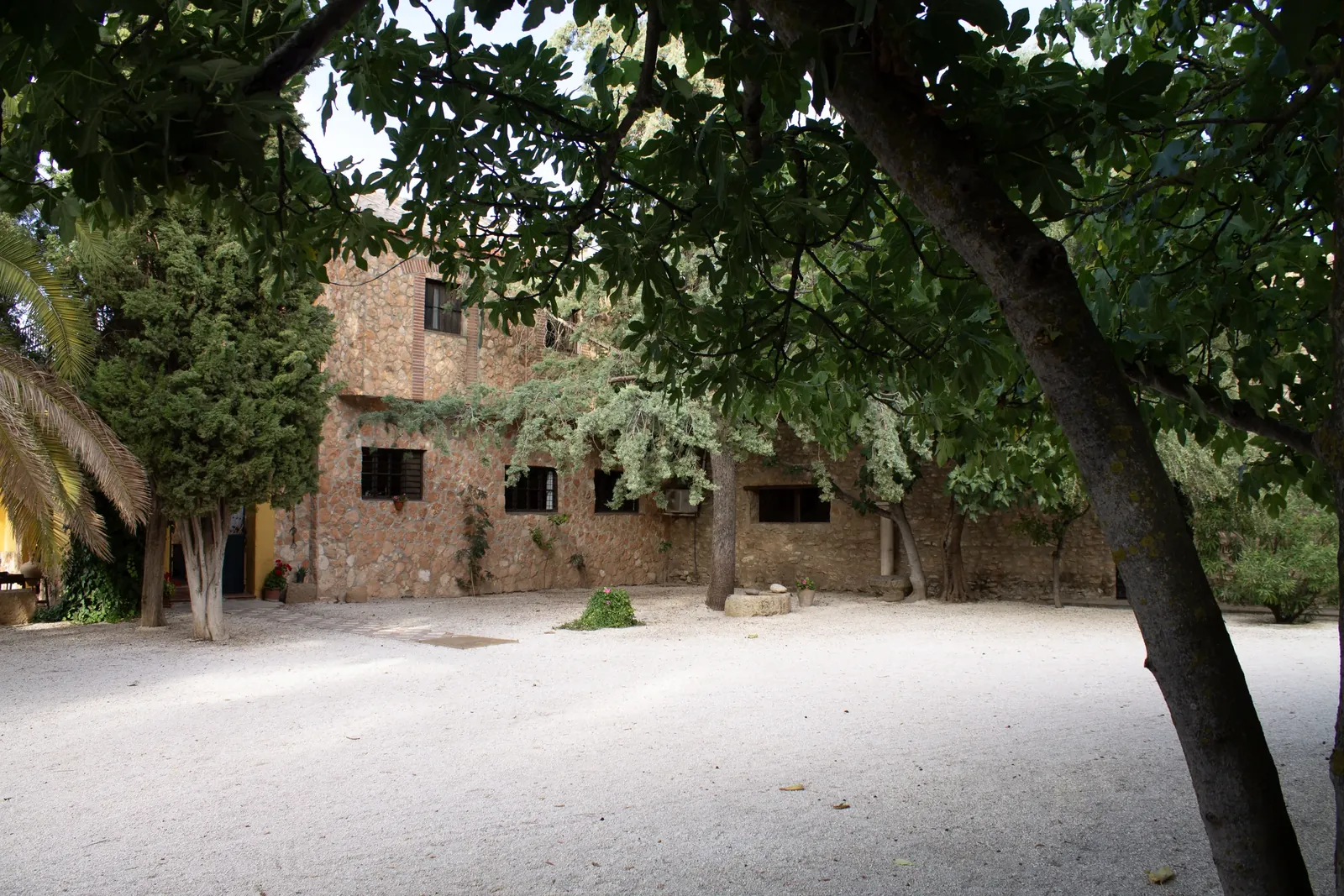
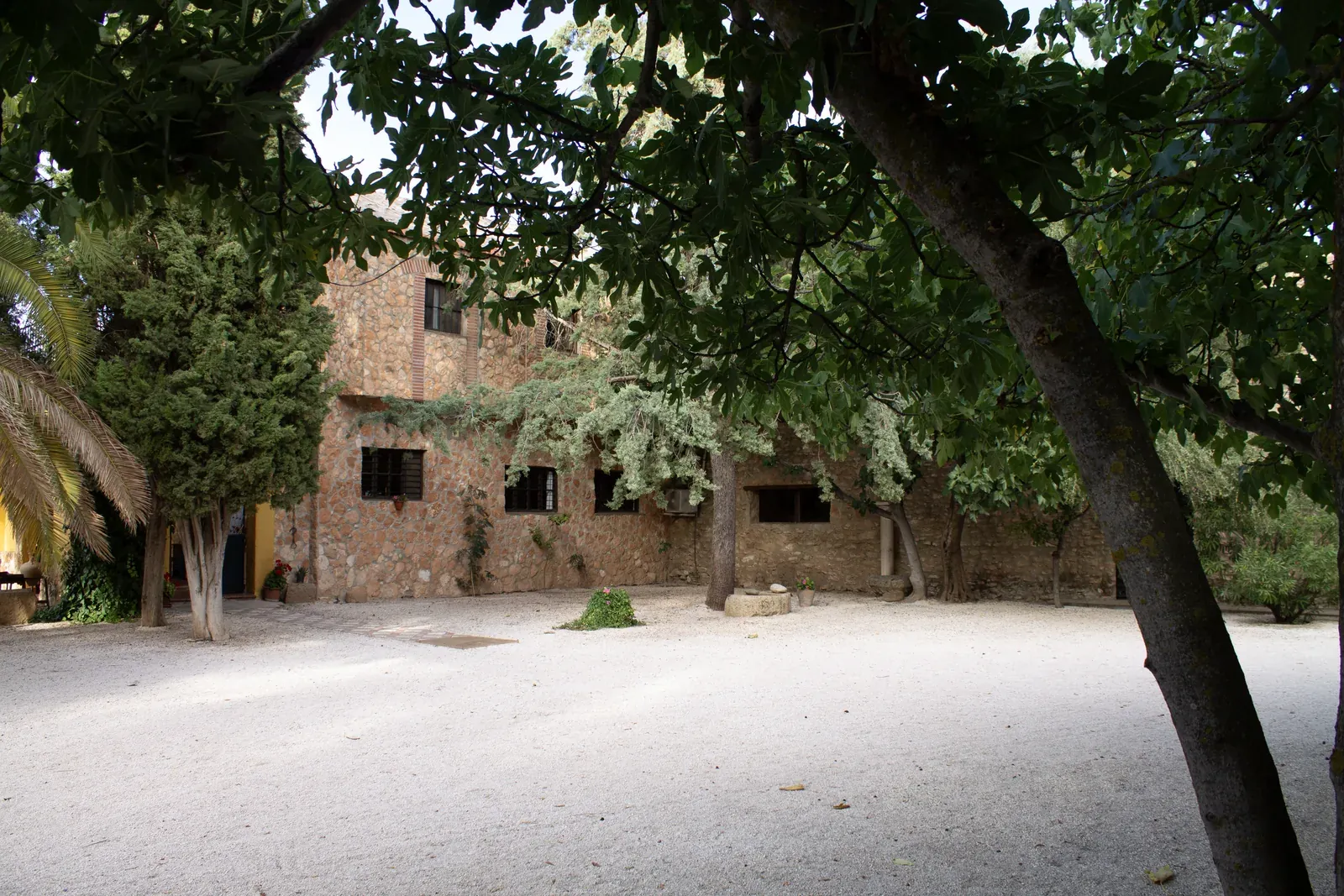
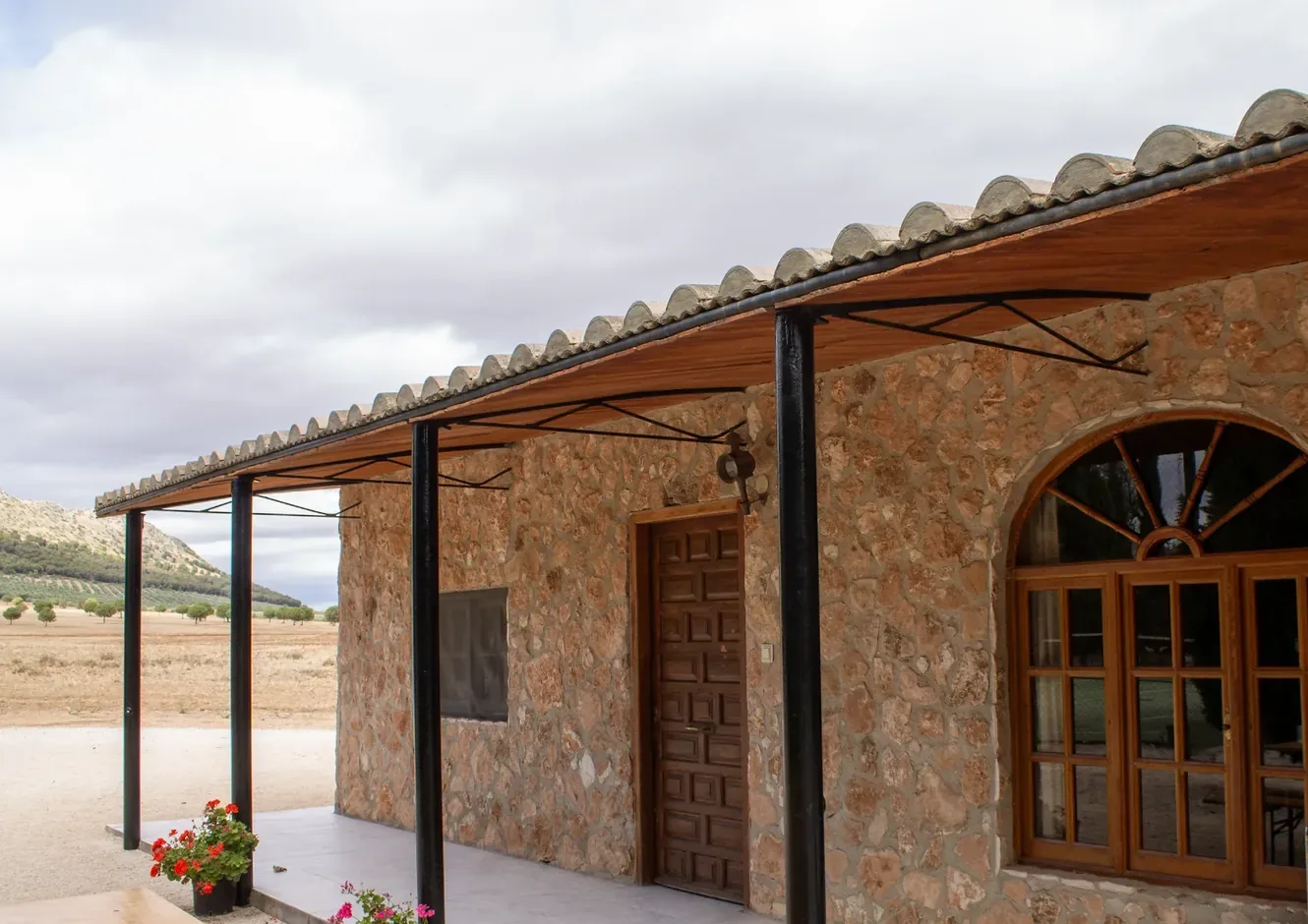
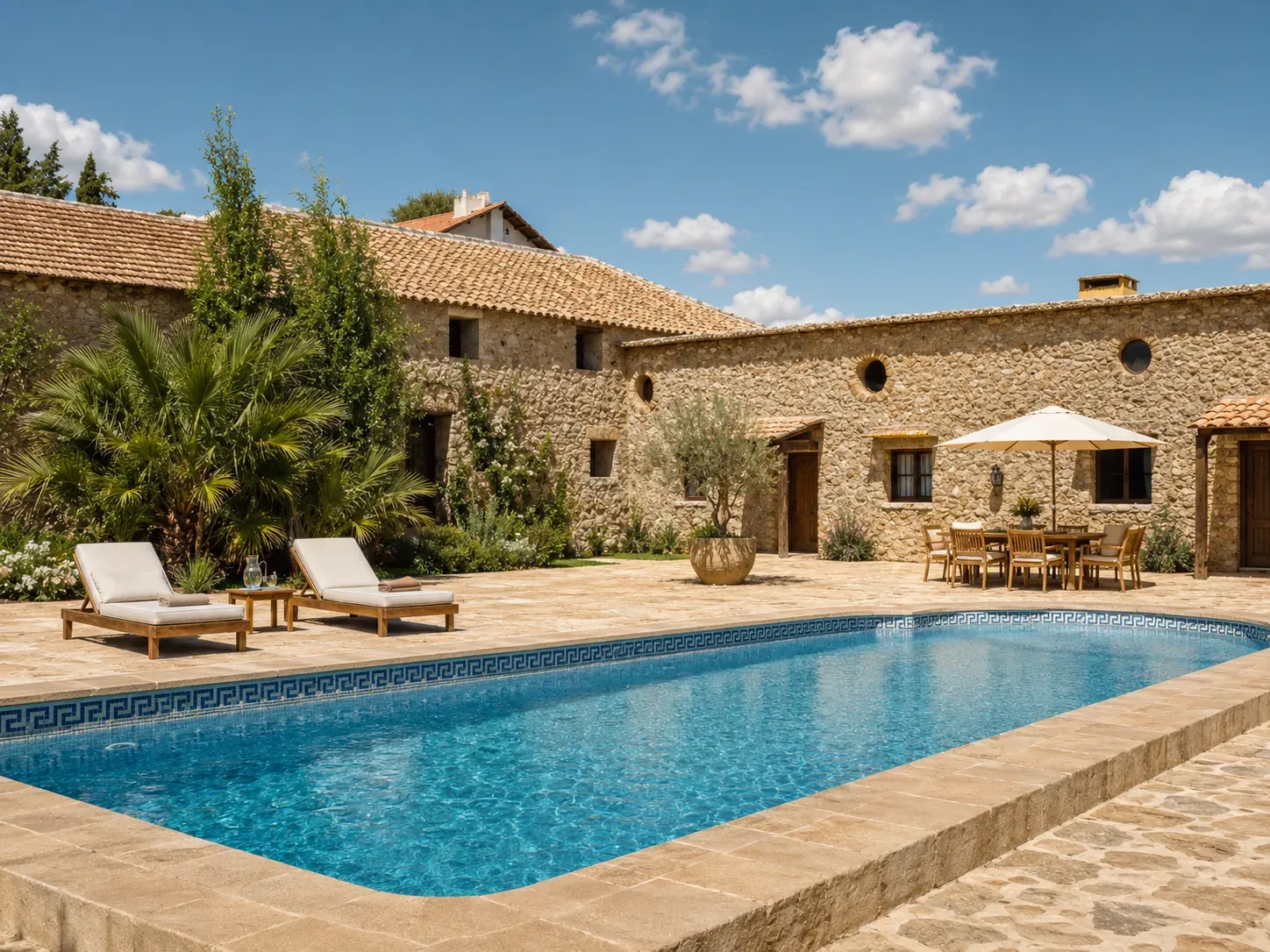
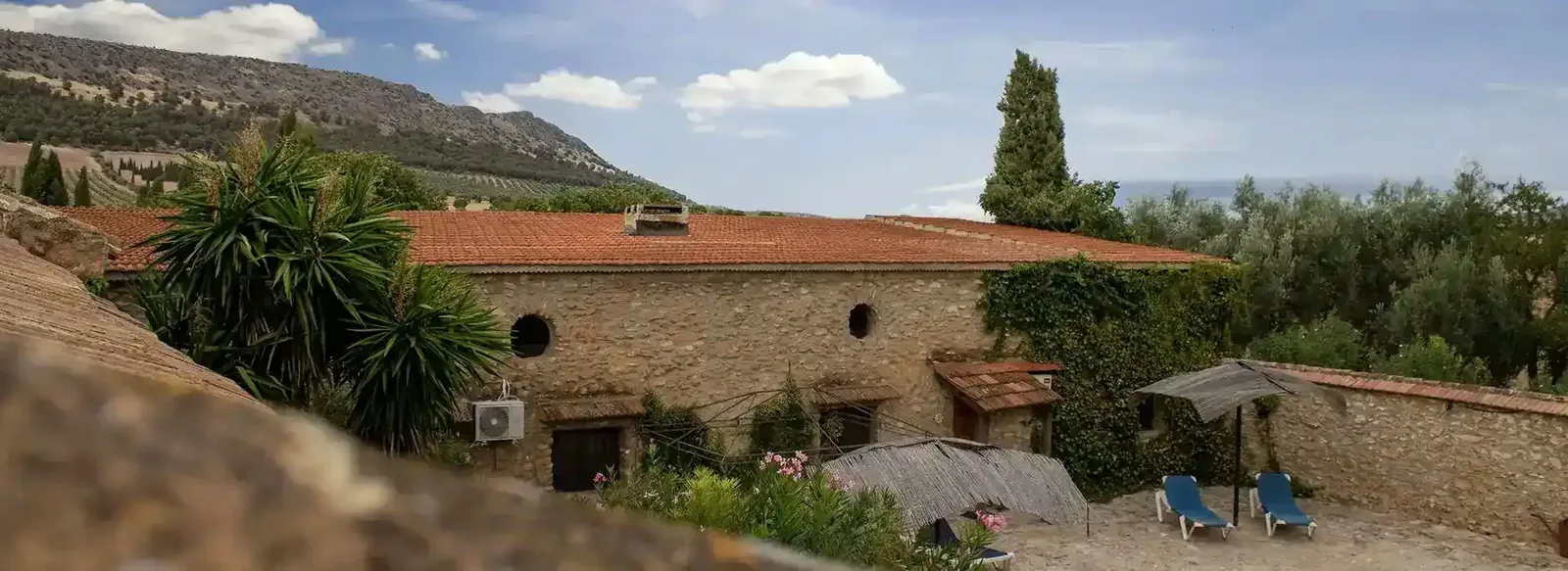
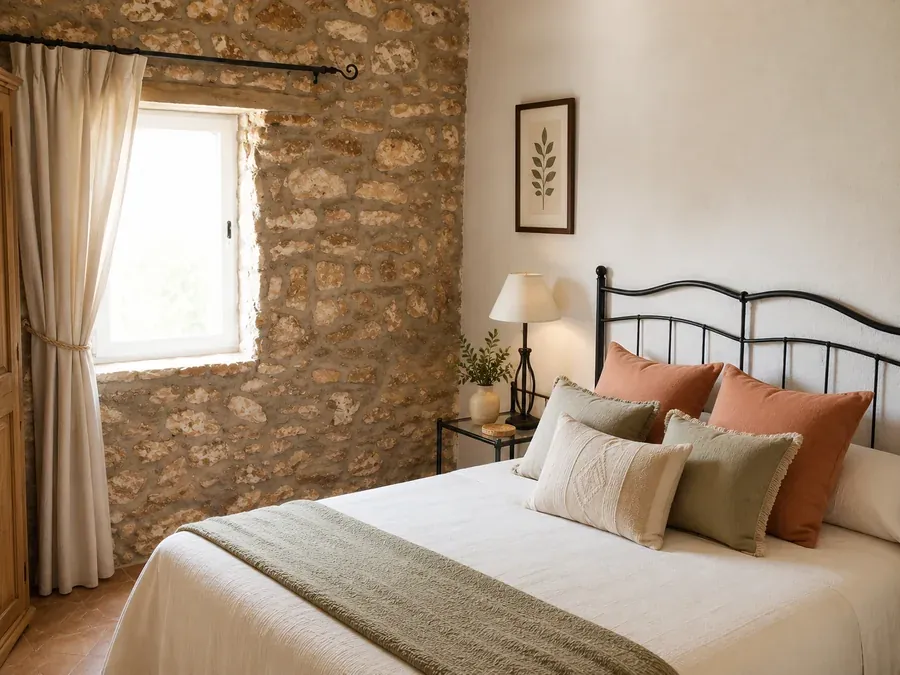
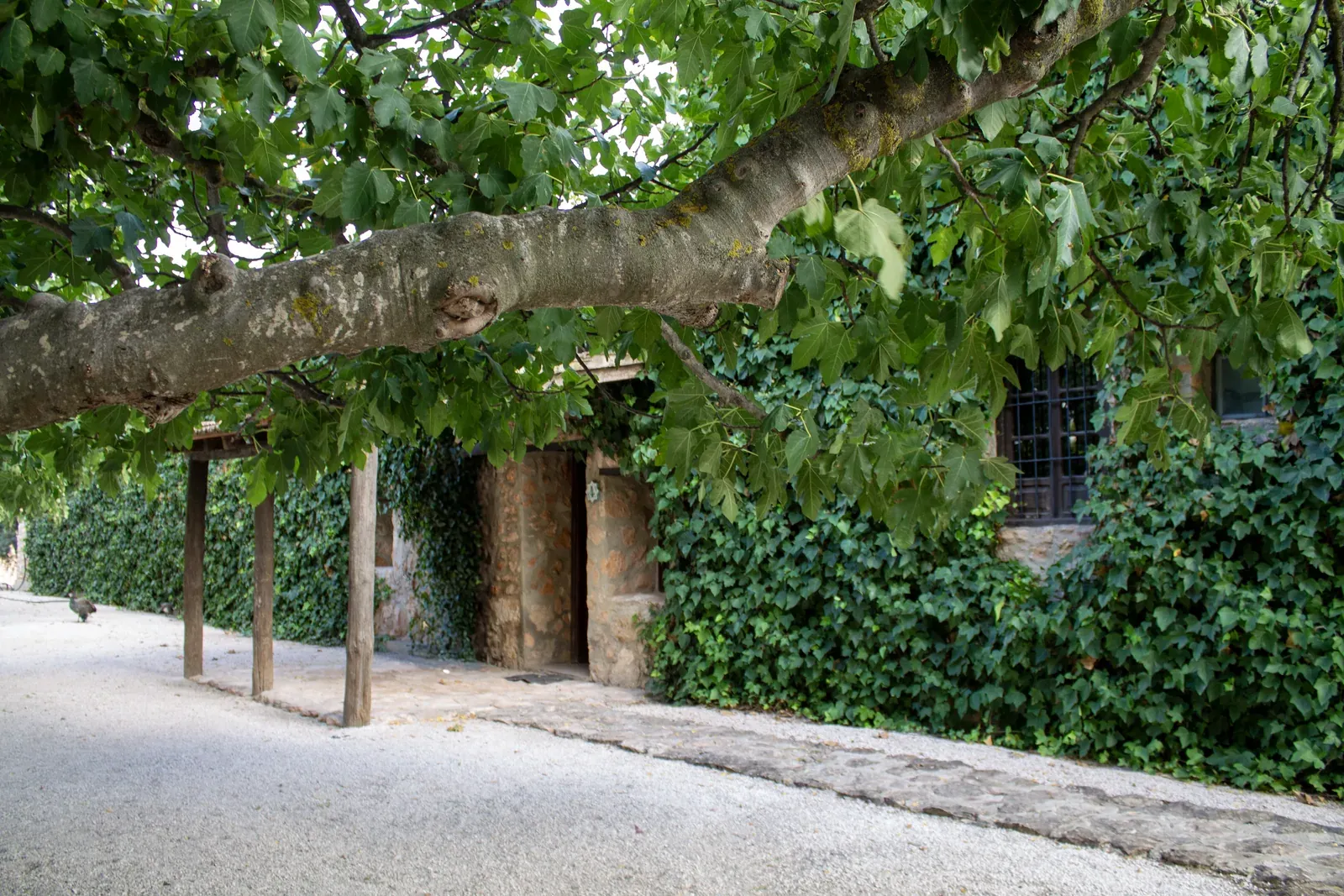
Sierra Recovery is a licensed residential rehab centre treating addiction and mental health at Cortijo Ferradores, Humilladero, 29531, in the north of Málaga province near Antequera. It is about forty five minutes by road from Málaga airport and about an hour from Marbella. Forty hectares of working farmland, olive groves and limestone hills. El Torcal is up the road. The nearest thing to nightlife is a village bar, and that is deliberate: a residential programme works better when the environment is not offering a way out of it every afternoon.
We are entered on the Andalusian register under N.I.C.A. 67331, authorised for atención sanitaria a drogodependientes, as a registered health centre with a supervised treatment residence. It is expressly not a hospital and not a detox unit. Where a medically supervised withdrawal is needed we arrange it in a hospital before admission and it is billed separately, and where that hospital is in Málaga province one of our therapists travels to the ward and begins therapy before you are discharged to us. See alcohol detox and drug detox.
Twenty eight days is the standard stay. The treatment programme runs three structured therapy groups a day plus an afternoon group activity, individual therapy three times a week, and seventeen psychoeducation modules. The clinical method adapts that of PROMIS Clinics, a partner organisation that has treated addiction in the United Kingdom since 1986. The evidence-based core is cognitive behavioural therapy, alongside group therapy, EMDR and somatic approaches where trauma sits beneath the substance use, holistic therapies including yoga, mindfulness and art, family work, and a written relapse prevention plan agreed before discharge. Co-occurring mental health conditions, including depression, anxiety, PTSD and burnout, are handled inside the same treatment plan. Eating disorders are not treated here as a primary condition. Everything else is on the programme page.
We publish what it costs: £9,900 covers the twenty eight days and a private room. Hospital detox, medical and laboratory costs sit outside that and are quoted itemised before you agree to anything. No referral fee is paid to anyone for sending you here, and none is accepted for sending anyone elsewhere.
Getting here, and what the journey is actually like
Málaga airport takes direct flights from most UK airports on more than a dozen airlines. From London it is roughly two and three quarter to three hours in the air.
From arrivals the road runs north on the A-45 towards Antequera, then west on the A-92. Humilladero sits in the Comarca de Antequera, around seventy kilometres from the city, near the Fuente de Piedra lagoon and El Torcal. It is roughly forty five minutes to an hour by road, and we arrange the transfer.
If you would rather not drive, Antequera-Santa Ana sits on the Madrid to Málaga high-speed line, about twenty minutes from Málaga María Zambrano, and about seventeen kilometres from Antequera town.
The short flight matters more than it sounds, and it matters most to the people who are not the patient.
- A family member can come out for a family session without taking a week off work.
- Spain is one hour ahead of the UK, and stays one hour ahead all year, because both countries change their clocks on the same dates. Aftercare calls happen at a civilised hour rather than at dawn.
- If something goes wrong at home, you are three hours from it rather than thirteen.
The last stretch is small roads through olive groves. Most people notice the quiet before they notice anything else.
Which route fits your situation
Four treatment options, and the right one depends less on how severe things are than on where you live and what language you can be treated in.
If you live here and can manage the process in Spanish: start with the public network. Call 900 845 040, or ask your centro de salud for a referral. It is free, it is real, and a funded residential place inside it exists. The limits are the language and the fact that you will be steering the process rather than having it steered for you.
If you live here and do not have Spanish: the meetings work from today, in English, at no cost, and Proyecto Hombre takes a first contact without a referral. Private treatment becomes the realistic route mainly when the language barrier makes the public network unworkable in practice. That is an honest reason to pay. It is not the same as being told the public option is no good.
If you are visiting rather than resident: the public network is not designed for you, and a GHIC does not cover planned treatment. Meetings are open to anyone who walks in. If you need treatment while you are here you are in the private market by default, so run the register check before you pay anybody.
If outpatient support has been tried and has not held, or the environment itself is part of what you are trying to leave, residential treatment is the argument. It is also the argument when addiction and mental health issues are tangled together tightly enough that treating one without the other has stopped working. Inland rather than coastal is worth considering if the resort strip is the thing you are stepping out of.
If you are physically dependent, the order changes and it is not negotiable. Medical advice first, then a supervised detox in an appropriate medical setting, then a programme. Do not stop drinking or come off benzodiazepines on your own. Withdrawal symptoms from either can be dangerous, and in alcohol dependence they can include seizures, which is why the NHS advice on alcohol treatment routes people to medical supervision rather than to willpower.
And if a free local service would serve you better than we would, we would rather tell you that than take the booking.
Sources and verification
- Junta de Andalucía public register of health centres, for checking any Andalusian centre's N.I.C.A. number, including ours, 67331
- Junta de Andalucía, health centre authorisation and registration, Real Decreto 1277/2003 and Decreto 69/2008
- BOJA, Orden of 29 May 2023, operating protocols for Andalusian addiction treatment centres
- AA Costa del Sol intergroup · AA Spain
- Emergency numbers: 112 in Spain, 999 in the UK, NHS 111 for urgent non-emergency advice
- Sierra pricing · Sierra licensing · what a month costs to run
- Junta de Andalucía public addiction network and free line 900 845 040
- Centro Provincial de Drogodependencias de Málaga, Diputación de Málaga
- Servicio Andaluz de Salud, Salud Responde 955 54 50 60
- Proyecto Hombre Málaga
- Al-Anon Spain English-language family meetings
- SMART Recovery international meeting finder
- NHS, what the UK GHIC covers
- BOE, Real Decreto 1277/2003
- BOJA, Decreto 69/2008
- REGCESS
All figures dated 9 August 2026. Provider names, phone numbers, meeting times and prices change, so confirm each on the official page before you rely on it.
Questions people ask
Where exactly is the centre in Málaga?
Cortijo Ferradores, Humilladero, 29531, in Málaga province near Antequera and El Torcal. It is inland farmland rather than the coast, roughly forty five minutes from Málaga airport.
Is Sierra Recovery Spain in Málaga city?
No. The centre is in the province, about an hour inland from the city. If you want a coastal setting, we are not it, and we would rather say so than have you arrive disappointed.
Is there free addiction treatment in Málaga?
Yes. Andalusia runs a free public addiction network of outpatient treatment centres, accessed through your health centre or local council, delivered in Spanish. English-language AA meetings across the province are also free and open to anyone.
How do I check a Málaga centre is licensed?
Ask in writing for the N.I.C.A. number and exact registered company name, then look it up on the Junta de Andalucía public register. Read what the entry authorises and when it expires, because authorisation for an outpatient service is not authorisation for a residential unit or a detox.
Is a VUT licence a rehab licence?
No. A VUT, vivienda con fines turísticos, is a holiday-let permit issued by the tourism authority. It authorises letting a property to tourists and says nothing about treating anyone. What you need is a N.I.C.A. entry carrying the unit U.71 Atención Sanitaria a Drogodependientes.
How do I find every licensed rehab in Málaga province?
On the Junta de Andalucía public register, leave the centre name blank, set Unidad Asistencial to U.71 Atención Sanitaria a Drogodependientes and select Málaga. That returns every centre legally authorised to treat addiction in the province.
Do you provide detox in Málaga?
Not at the centre. Where a detox is clinically needed it is arranged in a hospital beforehand. If that hospital is in Málaga province, our therapists attend and begin therapy on the ward before you are discharged to us.
Can family visit?
Yes, and it is encouraged at the right point in the programme. Málaga being under three hours from most UK airports is one of the practical reasons family work is realistic here in a way it is not at long-haul destinations.
Still not sure which option fits you in Málaga?
Tell a clinician what is going on and they will talk it through with you, including the free routes above, before anything is booked.
Useful pages on this site
Related pages
Rehab in Valencia · Rehab in Marbella · Private rehab in Spain and how to verify a centre · Luxury rehab in Spain · Our programme · Our regulation and licensing · All local treatment guides
 +
Talk to a clinician today
You will speak to our admissions team, English-speaking clinicians who know the programme and the people in it. Callback within 24 hours.
Registered health centre. Authorised by the Junta de Andalucía, N.I.C.A. 67331.