Home / Local treatment guides / Marbella
Treatment options in Marbella
Rehab in Marbella: which centres are actually licensed
Eight centres in the municipality of Marbella hold authorisation to treat addiction. Not one of them is an internationally marketed villa programme. Anyone selling rehab in Marbella at villa prices should be able to give you a register number, and this guide shows you how to read it.
Stopping alcohol or benzodiazepines abruptly can be dangerous if you are physically dependent, and severe withdrawal can include seizures. Get medical advice before you cut down or stop. In a life-threatening emergency in Spain call 112. In the UK call 999, or NHS 111 for urgent advice.
Eight entries in the municipality of Marbella are authorised by the Junta de Andalucía to treat addiction: a private hospital, a public out-of-hours point, three council and charity outpatient centres, two private consultations and one association-run supervised residence. None of the internationally marketed luxury villa programmes appears among them, under any trading name or holding company. Authorisation in Andalusia is granted premises by premises, carries a N.I.C.A. number and runs for five years. Before you pay a deposit anywhere on this coast, ask the centre in writing for that number and its exact registered company name, then check both yourself on the public register.
People look for this in a lot of ways: rehab Marbella, luxury rehab Marbella, alcohol rehab Costa del Sol, private rehab Spain. Whatever wording you used, the verification below applies to every centre it returns.

Speak to a clinician about treatment options in Marbella
Confidential, no obligation, and no referral fee is paid to anyone for sending you here.
How Marbella became a rehab market
Marbella holds the densest concentration of private addiction treatment in Spain, and the reason is commercial rather than clinical. The town already had large private houses, an international airport up the coast, a culture of discretion and residents with money from everywhere. Treatment businesses moved in because the ingredients were already there.
Two entirely different things now trade under the word rehab here. One is the Spanish public system, which treats residents at no charge through outpatient services delivered in Spanish, and which is not built around a visiting patient from the United Kingdom. If a free or low-cost route is what you need, read the free and public routes in Málaga province, which also covers the English-language meetings network running the length of the Costa del Sol.
The other is a private market sold almost entirely in English to people arriving from somewhere else, at some of the highest residential prices in the world. It advertises villas, chefs, sea views and absolute confidentiality, and it reaches buyers through directories, brokers and paid search rather than through any health system.
This page is about that second market, because that is where the money sits, where the marketing sits, and where the regulatory gap sits. A dense cluster of luxury rehab brands is not evidence of a dense cluster of clinical expertise. It is evidence of property.
What a Spanish health authorisation actually certifies
Treating addiction in Spain is a regulated health activity, not a wellness service. Real Decreto 1277/2003 sets the national rule: a centre providing that care must hold an authorisation and be entered on a register. In Andalusia the procedure runs through Decreto 69/2008, which created the Registro Andaluz de Centros, Servicios y Establecimientos Sanitarios (the Andalusian register of health centres).
Three features of that authorisation matter to you.
It carries a number. Article 20.1 of Decreto 69/2008 gives every authorised centre a N.I.C.A., a Número de Identificación de Centro Autorizado (authorised centre identification number), which must be displayed on signage at the premises. It is public information.
It expires. Article 13.1 sets the term at five years, and Article 14 requires the renewal application in the three months before it runs out. "We are licensed" is a claim with a date attached.
It is granted per care unit. The unit that authorises addiction care is U.71 Atención Sanitaria a Drogodependientes (healthcare for people with drug dependence). Annex II of Real Decreto 1277/2003 defines it as a multidisciplinary unit where, supervised by a healthcare professional, prevention, care and rehabilitation are delivered through therapeutic techniques.
Read that definition closely, because it describes the thing you are buying. Multidisciplinary means more than one profession. Supervised means somebody is clinically accountable. Therapeutic techniques means a recognised body of practice: cognitive behavioural therapy, family therapy, relapse prevention work, and the assessment that decides which of them a particular person needs. That is the standard against which drug and alcohol addiction, behavioural addiction and any co-occurring mental health conditions are supposed to be handled inside the same plan. A holistic timetable of yoga and sea swimming may sit alongside all of it, and none of it substitutes for it.
The standards behind it are published. The Orden of 29 May 2023 sets operating protocols for six facility types: therapeutic communities, residential detoxification centres, outpatient addiction treatment centres, reception centres, supervised treatment and reintegration housing, and day centres. Article 1 requires all six to hold U.71, and each carries a staffing minimum. A residential detoxification centre must keep staff qualified in medicine or nursing present or on call twenty four hours a day. An outpatient addiction centre has a lighter bar: a medical degree holder, a psychology graduate and a social work graduate.
None of this is a quality mark. It is the legal floor for opening the doors. A centre that has cleared it has been inspected and staffed against a published standard. A centre that has not has never been looked at by anybody, whatever its brochure says about evidence-based treatment for addiction.
What rehab in Marbella costs, and what the money buys
Price tells you almost nothing about clinical legitimacy in this market, and the spread proves it. Two rehabs in Marbella can quote figures an order of magnitude apart and hold exactly the same authorisation, which is to say none.
Published listings for Marbella on the directory recovery.com run from roughly EUR 4,500 to EUR 35,000 a week, so the entry point to a villa programme is around EUR 18,000 for a month. Named facilities on the same directory publish figures such as EUR 14,000 for a fortnight and EUR 18,500 for twenty eight days.
At the single-client end, where a centre takes one person at a time, one Marbella listing gives a typical weekly figure of EUR 47,380, roughly EUR 190,000 for a month. A tier above that appears on the same page at a figure we could not confirm against any second source, so we are not quoting it as the top of the market. Treat it as unverified.
For scale, one of the largest private providers in the United Kingdom publishes GBP 21,813 for a twenty eight day programme including detox, daily therapy and twelve months of aftercare, and published UK sources put general private residential rehab at roughly GBP 2,000 to GBP 10,000 a week. Those are market benchmarks rather than recommendations, and both figures were checked in August 2026.
The top of that range does not buy four times the therapy. It buys the building to yourself, a team working with nobody else, and the near certainty that you will not run into anyone. A small number of people genuinely need that. For most, it is an enormous sum spent on privacy that an inland village supplies for nothing, simply because nobody is looking there.
Length of stay moves the number more than anything else on the invoice, so compare programmes over the same period before you compare anything else. Where the money goes in luxury rehab in Spain is examined separately, and what a month of treatment actually costs to run has its own page.
Want an itemised quotation before you commit?
We publish our price and bill hospital detox separately. No referral fee is paid to anyone for sending you here.
Why the villa programmes are missing from the register
A professional website, staff photographs, testimonials, a phone number in London. None of that is a registration, and none of it is hard to produce.
The pattern along this coast is a residential villa advertised abroad as a rehab or a clinic while holding no health authorisation at all. It shows up in three forms.
It says it is not healthcare. The property presents as a wellness retreat, a sober living house, a coaching programme or a private members' residence, on the argument that no regulated health activity is happening. If that is genuinely true, nobody in the building carries clinical responsibility for you. If it is not true, the operation is running an unauthorised health centre.
The clinical work is externalised. The house maintains that it supplies accommodation while the website sells a treatment programme. That arrangement is common enough to need its own section, below.
Nobody has ever asked. Almost every buyer arrives from another country with no reason to suspect that a Spanish health register exists, let alone that it can be searched in a minute.
The consequence is the same in all three. Nobody has inspected the premises. Nobody has approved the staffing. No health authority has formed a view on whether the place is fit to treat anyone, and no register exists on which a complaint about it would land.
That is not a paperwork technicality. Article 21.3(a) of Decreto 69/2008 classes operating a health centre without the required authorisation as a grave (serious) infraction, and Article 25.1(b) of Ley 2/1998 de Salud de Andalucía (the Andalusian health law) separately empowers the health authority to suspend the activity or close the premises.
The verification logic is national rather than local, and how to check any private rehab in Spain applies the same test outside Andalusia. The register's own answer for Marbella is set out below.
Talk it through with a clinician
A straight conversation about whether residential treatment is right, and what it would involve.
How to read a register entry, and the four documents that are not one
The five fields to read on any entry
Ask for a licence and you will usually be handed something. The skill is telling whether it is the right thing.
Whose name is on it. The authorisation belongs to a legal entity at an address. Trading name and registered company name are often different. Ask for the exact registered company name, not the name above the gate.
Which address. Authorisation is granted premises by premises. An entry for an office in Málaga city does not extend to a house in Nueva Andalucía.
Which care unit. U.71 Atención Sanitaria a Drogodependientes authorises addiction care. An entry showing only U.900.1 Psicología (psychology) is a real registration for an outpatient psychology consultation, and it does not authorise a residential addiction programme.
Which centre type. The C. codes describe the premises. C.1.1 is a hospital; a residential treatment house sits under a different code. An outpatient authorisation does not permit overnight stays, and neither kind permits a medical detox.
When it expires. Five years from the grant date. Ask for it.
Ours reads like this: the centre trading as Sierra Recovery in Humilladero is registered as SIERRA RECOVERY SERVICES S.L. under N.I.C.A. 67331, carries U.71, and is a C.3.7.1, the register's code for supervised treatment housing attached to a programme. Trading name and registered name differ, which is exactly why field one exists.
The register is public and free. Our Málaga guide runs through both searches, including the one that lists every authorised addiction centre in a province.
The four documents that are not a health licence
A VUT or CA number is a holiday-let permit. Vivienda con fines turísticos (dwelling for tourism purposes) is governed by Decreto 28/2016, amended by Decreto 31/2024. It is a declaration to the tourism administration, recorded on the Registro de Turismo de Andalucía (the Andalusian tourism register). Different authority, different register, different purpose: its aims are ending clandestine lettings, public safety, fraud and minimum accommodation standards, none of which touches fitness to treat addiction. On a VUT, a villa is exactly what the tourism register says it is: a holiday house, lawfully let, with therapists coming to the door.
A licence in another party's name. Ask whose entry it actually is. A visiting psychologist, an associated company or a separate outpatient clinic may each hold a valid registration, and none covers the building you would sleep in.
A psychology practice licence. U.900.1 and nothing else. Real registration, wrong unit, wrong setting.
Private accreditations and memberships. Certificates from international associations are marketing, not law. LegitScript addiction treatment certification, the credential the major ad platforms rely on, is open only to providers in the United States and Canada, so it cannot vouch for a Spanish facility.
One test covers all four: the entry must belong to the centre, at the address where you would stay, carry U.71, and be in date.
| N.I.C.A. | Registered name | Run by | Type | Municipality |
|---|---|---|---|---|
| 45305 | CTA_MARBELLA | Town council | C.2.5.90.2.1 | Marbella |
| 38043 | CTA_PROYECTO HOMBRE | Private | C.2.5.90.2.1 | Marbella |
| 63623 | VST_ASOCIACION HORIZONTE | Private | C.3.7.1 | Marbella |
| 16145 | HC MARBELLA INTERNATIONAL HOSPITAL | Private | C.1.1 | Marbella, Nueva Andalucía |
| 59218 | ANA MARIA MORENO MAYEN | Private | C.2.4.0 | Marbella, San Pedro Alcántara |
| 60244 | CENTRO DE RECUPERACION SMILES FOR LIVE, S.L. | Private | C.2.4.0 | Marbella, San Pedro Alcántara |
| 45303 | CTA_SAN PEDRO DE ALCANTARA | Town council | C.2.5.90.2.1 | Marbella, San Pedro Alcántara |
| 21051 | SAN PEDRO DE ALCANTARA_SUAP | Andalusian Health Service | C.2.3.1 | Marbella, San Pedro Alcántara |
Read the composition rather than the count. A hospital, an out-of-hours primary care point, three outpatient centres run by the town council and by a charity, two private consultations and one supervised residence run by an association. That is a municipal and charitable service, plus a hospital, plus two consulting rooms. It is not a luxury treatment industry, and no internationally marketed villa programme appears anywhere on it under any name. Set the list beside your shortlist and see how many names survive.
The whole of Málaga province returns fifty five entries, listed on our Málaga province guide.

Not sure where to start?
Tell us what is happening and we will talk you through the options, including the ones closer to home.
What externalised treatment means in practice
A centre tells you it has a clinical team. That sentence can mean two completely different arrangements, and the difference decides who is responsible for you at three in the morning.
In the common one, the house is let, or owned by a company that supplies accommodation and hospitality. The therapy is delivered by self-employed psychologists, counsellors and visiting doctors, each invoicing separately, each carrying their own professional registration and their own indemnity insurance. On paper that is an accommodation business plus a set of independent practitioners who happen to work in the same building. The website sells one integrated programme.
Nobody owns the treatment plan in that arrangement. The individual practitioners are registered; the programme is not. Clinical governance, meaning the machinery that decides what happens when someone relapses on site, when a co-occurring mental health condition deteriorates, when medication needs reviewing overnight, belongs to whichever entity holds the authorisation. Where no entity holds one, that machinery does not exist. There is a therapist, there is a landlord, and there is nothing joining them.
Insurance follows the same logic. A self-employed therapist's indemnity covers that therapist's own practice. It does not cover the premises, the supervision arrangements or the level of care the programme claims to provide.
Four questions expose the structure:
Who employs the clinical staff, and are they on the centre's payroll or invoicing as contractors?
Whose name is on the health authorisation for this address?
Who is clinically responsible overnight, where are they physically, and at what hours?
If I relapse in week two, who decides what happens next?
Put them to the admissions team rather than to a broker, and put them in writing. Brokers are paid on placement and are rarely told the answers.
A serious centre answers all four without pausing, because it has had to plan for them. Ours are named on our clinical team page, and the authorisation for the address they work at is the one set out below.
What an unauthorised centre costs you if something goes wrong
The risk is not evenly spread across a stay. It is concentrated in the first week.
Withdrawal from alcohol or benzodiazepines can produce seizures and delirium tremens. NICE guideline CG100 recommends hospital admission for anyone who has, or is at high risk of, withdrawal seizures or delirium tremens, with a lower threshold again for people who are frail, cognitively impaired or without support at home. The NHS is direct about it: stopping suddenly when you are dependent on alcohol can be very dangerous.
Untreated delirium tremens has historically carried a substantial risk of death, and that risk falls sharply with prompt, competent medical management. The gap between those two outcomes is medical care, delivered quickly. That is the reason the Orden of 29 May 2023 requires a residential detoxification centre in Andalusia to have medical or nursing staff present or on call around the clock. A detox sold inside an unauthorised private house is where that care is least likely to be there when it is needed.
Then there is recourse, which UK buyers rarely price in. The Care Quality Commission regulates providers in England and has no remit over a service delivered in Spain. A GHIC or EHIC covers necessary state healthcare that arises during a visit, not planned treatment arranged in advance. And standard travel insurance usually excludes trips taken in order to receive medical treatment. Buying from a registered health centre does not erase any of that, but it puts a health authority between you and the provider and gives a complaint somewhere to land. Buying from an unregistered one leaves you with a contract dispute in a foreign country.
So ask by email, and keep the reply. A centre that holds an authorisation sends the number back at once, because it is public information. Silence, or a change of subject towards international accreditations, is an answer in itself.
Where we are, and it is not Marbella
We are not in Marbella. Nothing on this page is written from a Marbella address.
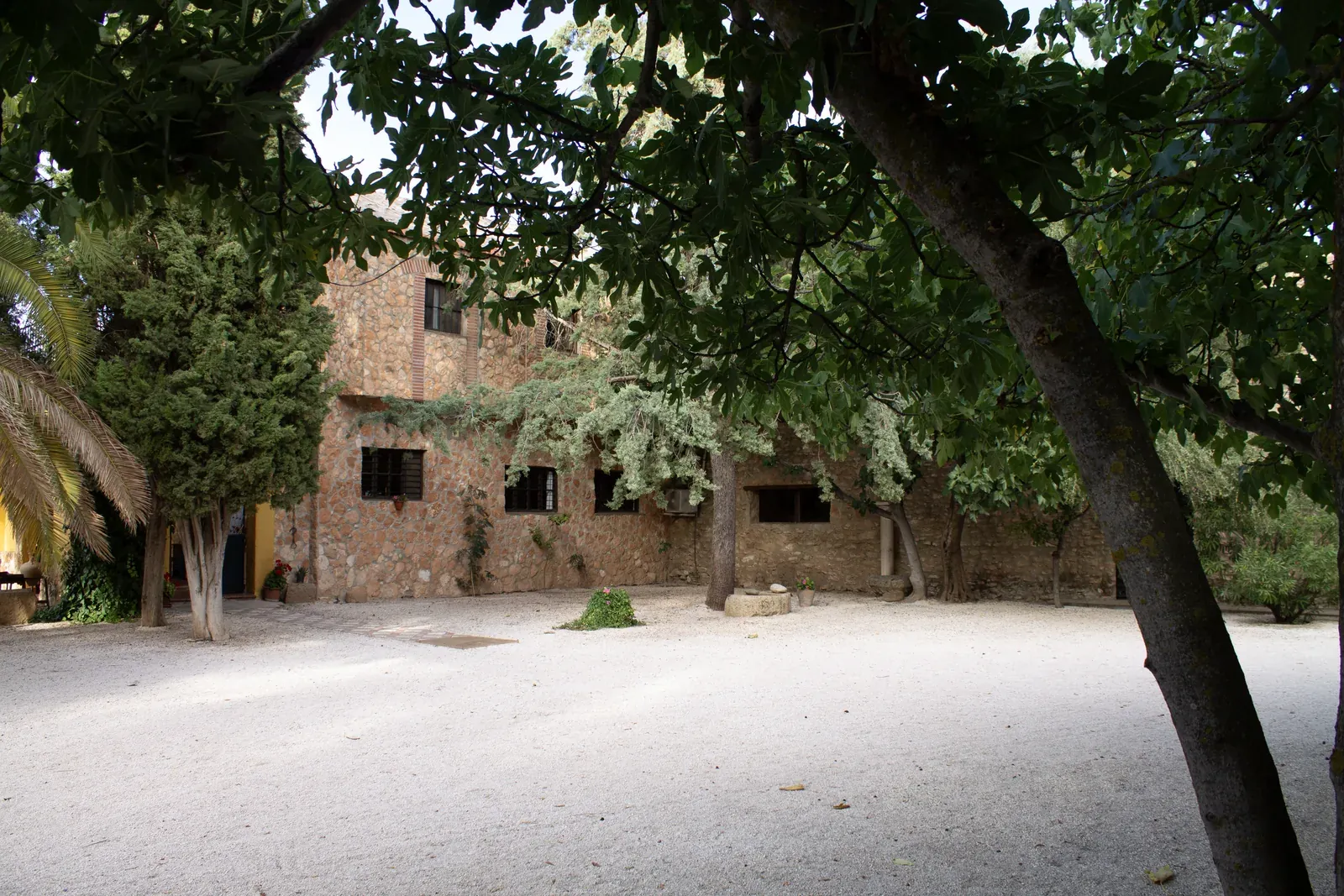
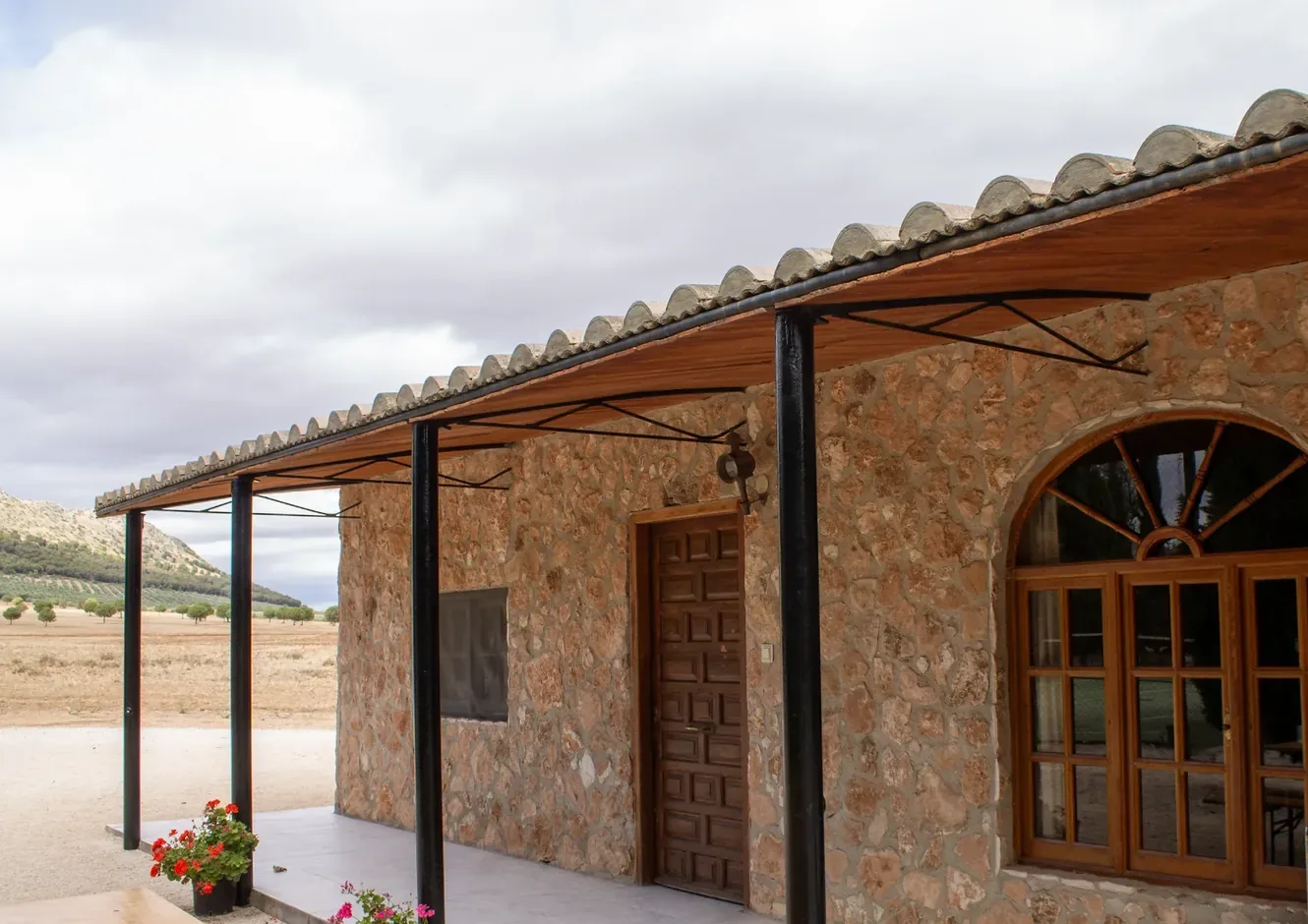
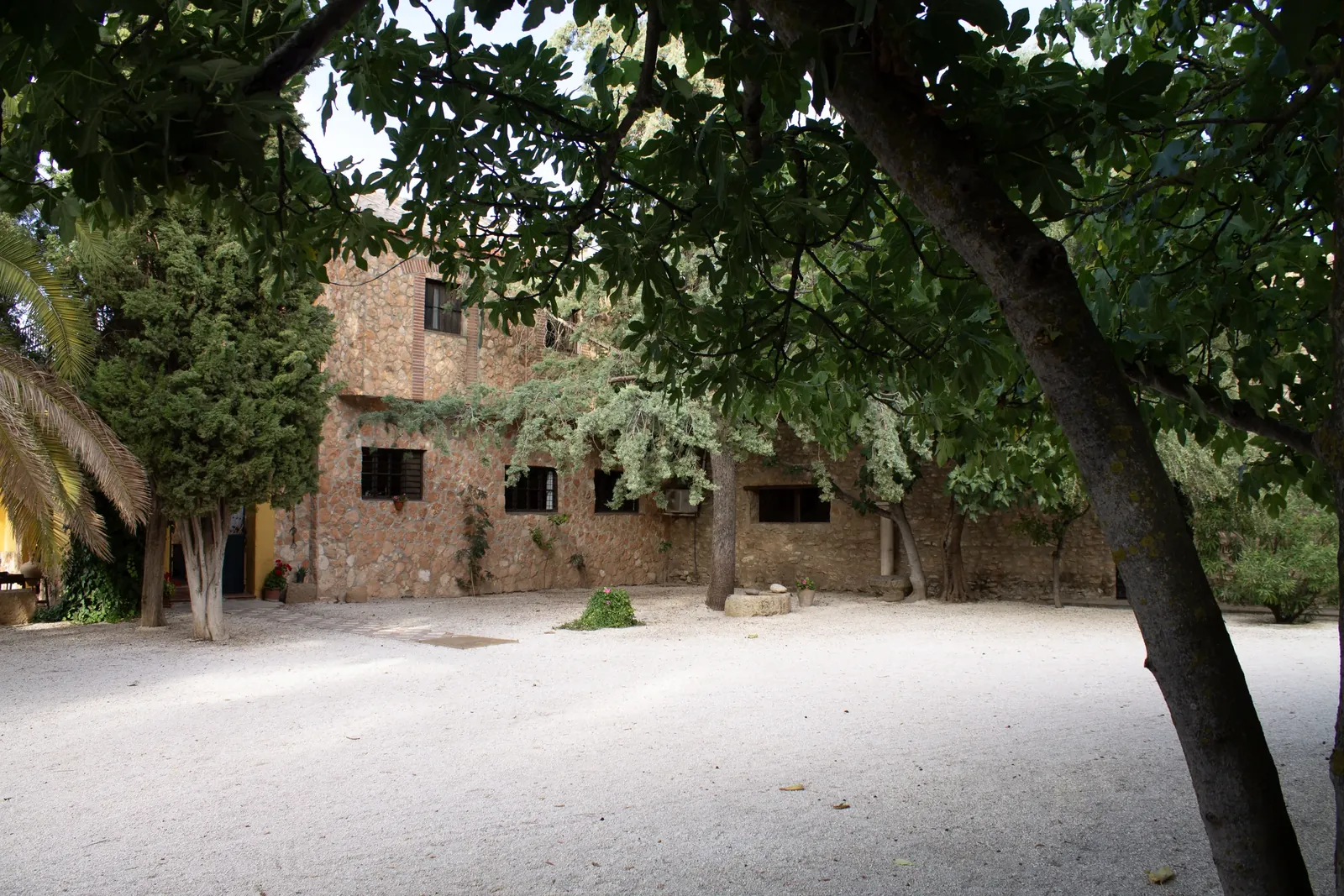
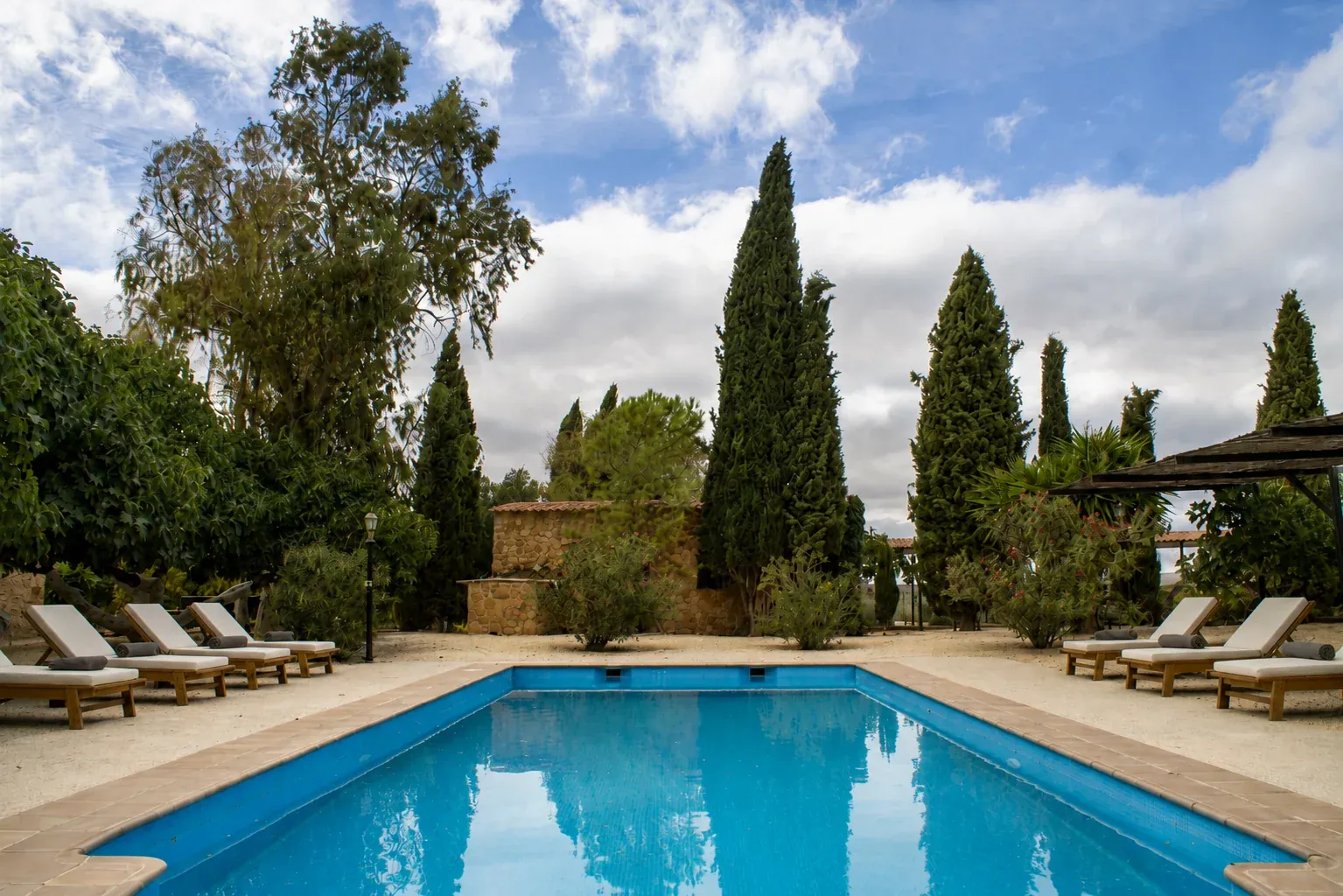
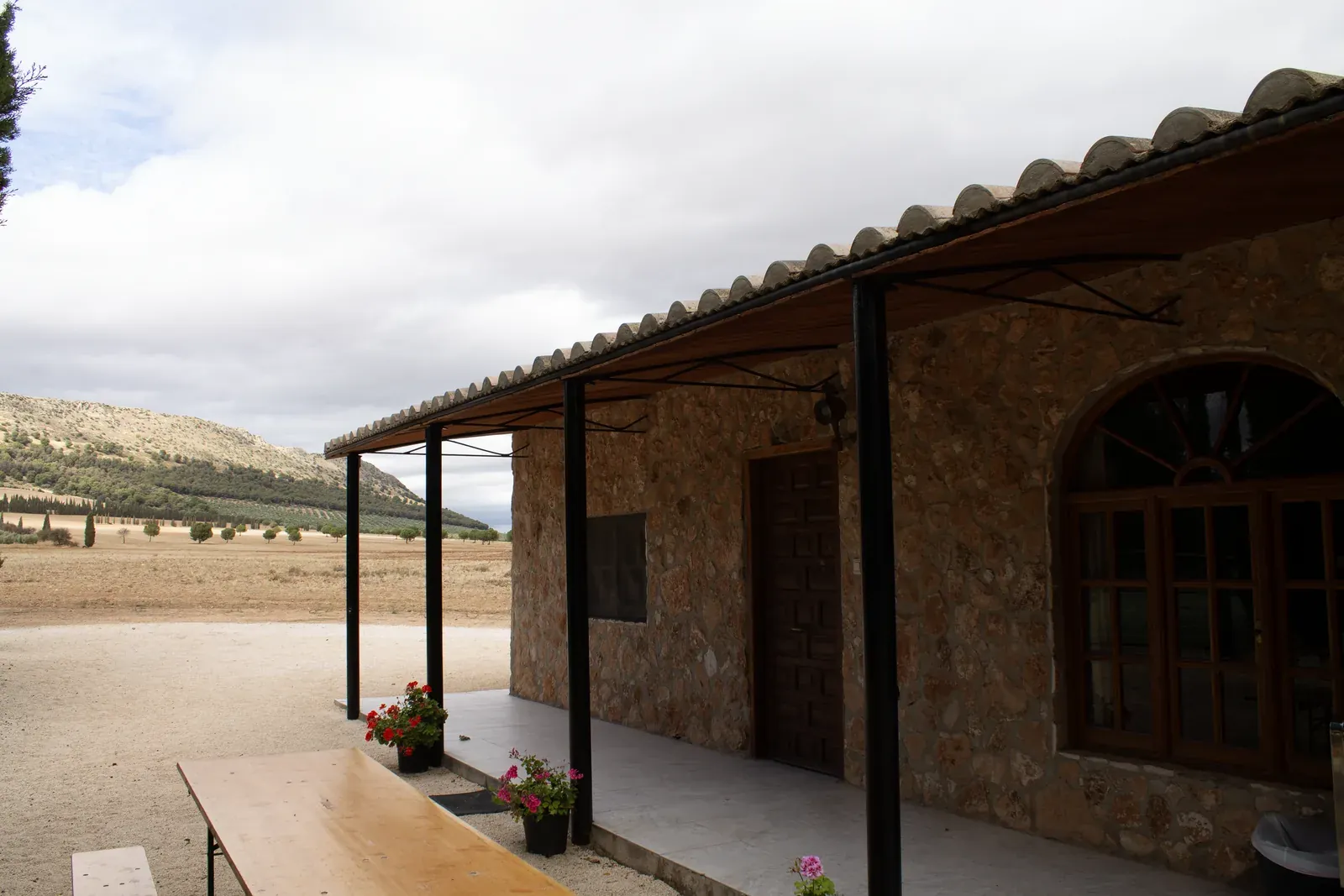
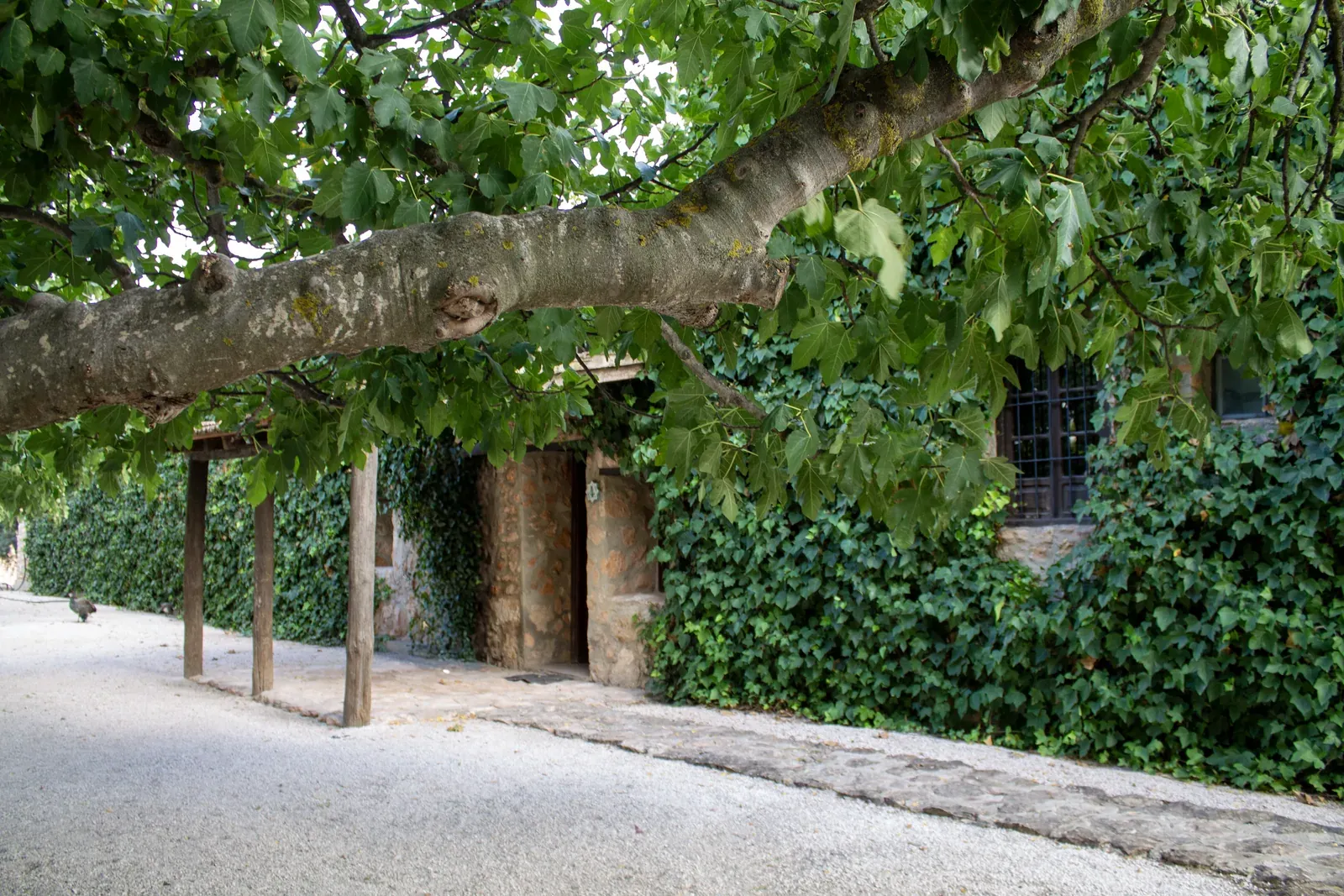
Sierra Recovery sits inland in Málaga province, at Cortijo Ferradores in Humilladero, near Antequera. The drive from the Marbella seafront takes a little over an hour. Málaga airport is around forty five minutes away. It is working farmland in southern Spain, and the nearest thing to nightlife is a village bar.
Hold us to the test this page has just described. Our legal name is Sierra Recovery Services S.L. Our N.I.C.A. is 67331, on the Andalusian register, carrying U.71 Atención Sanitaria a Drogodependientes, registered as a health centre with a supervised treatment residence. We are not a hospital, and we are not a detox unit, so medically supervised detox, where it is clinically needed, is completed in an appropriate medical setting before admission and billed separately. Check all of it against the register before you call us. We would rather you did, and our regulation and licensing page says where.
The programme is twenty eight days of residential care, delivered in English, adapting the methodology of PROMIS Clinics, who have treated addiction in the United Kingdom since 1986. What the twenty eight days involve is set out in full elsewhere, along with the conditions we do and do not admit for. Eating disorders as a primary condition are not among them.
The published price is GBP 9,900 for twenty eight days with a private room included. Hospital detox, medical costs and travel are billed separately, and an itemised written quotation is issued before you commit. We neither pay nor accept referral fees in either direction. Our pricing page has the detail.
What to do before you pay anyone
Four moves, and you can finish all of them in an afternoon.
Ask for two things in writing. The N.I.C.A. number and the exact registered company name. Send it by email so the answer, or the absence of one, is on record.
Look it up yourself. Go to the public register rather than accepting a screenshot or a PDF certificate. The two searches are set out on our Málaga guide. Read the entry against the five fields above: name, address, care unit, centre type, expiry.
Ask the four externalisation questions. Employment, authorisation, overnight cover, relapse. The overnight one matters most, because it is the question a hospitality business cannot answer.
If you are physically dependent, reverse the order. Medical advice first, then detox in an appropriate medical setting, then a programme. Not the other way round.
Two of those steps cost nothing but an email. A centre that will not answer the first one in writing has told you something useful, and it has told you before your money left the account.
If it would help, send us the name and we will run it against the register for you, including when the answer sends you somewhere other than here.
Sources and verification
- Junta de Andalucía public register of health centres, the tool for checking any Andalusian centre's N.I.C.A. number, including ours, 67331
- Junta de Andalucía, health centre authorisation and registration, Real Decreto 1277/2003 and Decreto 69/2008
- BOJA, Orden of 29 May 2023, operating protocols for Andalusian addiction treatment centres and services
- AA Costa del Sol intergroup · AA Spain · European meeting finder, free meeting schedules
- Emergency numbers: 112 in Spain, 999 in the UK, NHS 111 for urgent non-emergency advice
- Private villa price ranges compiled from published provider and directory figures, not endorsements · our breakdown of the segment
- Sierra pricing · Sierra licensing
All figures dated 9 August 2026. Provider names, phone numbers, meeting times and prices change, so confirm each on the official page before you rely on it.
Frequently Asked Questions
How much does rehab in Marbella cost?
Published listings for Marbella on the directory recovery.com run from roughly EUR 4,500 to EUR 35,000 a week, so a month at the entry of the villa market is about EUR 18,000. At the single-client end, one listing gives a typical weekly figure of EUR 47,380, roughly EUR 190,000 a month. Higher listings exist but could not be confirmed against a second source.
Are rehab centres in Marbella licensed?
Some are, some are not. Treating addiction in Andalusia requires a health authorisation under Real Decreto 1277/2003 and, regionally, Decreto 69/2008, plus an entry on the Andalusian register carrying a N.I.C.A. number. Several villa operations marketed internationally as luxury rehab hold no such authorisation, presenting instead as retreats, sober living houses or coaching programmes. Check the register rather than the website.
Is a VUT licence a rehab licence?
No. A VUT, or vivienda con fines turísticos, is a tourism registration made under Decreto 28/2016 and held on the Andalusian tourism register. It certifies that a dwelling may be let to visitors and says nothing clinical. The document you want is a health register entry carrying the care unit U.71 Atención Sanitaria a Drogodependientes.
Can a Marbella villa carry out a detox?
Not lawfully, unless it holds the right authorisation, and residential addiction houses generally do not. Under the Orden of 29 May 2023, a residential detoxification centre in Andalusia must keep staff qualified in medicine or nursing present or on call twenty four hours a day. Alcohol and benzodiazepine withdrawal can cause seizures and delirium tremens, which is why that rule exists.
Is Sierra Recovery Spain in Marbella?
No. Sierra Recovery is inland in Málaga province, at Humilladero near Antequera. The drive to Marbella takes a little over an hour, and Málaga airport is around forty five minutes away. The centre is entered on the Andalusian register under N.I.C.A. 67331, carrying U.71, as a health centre with a supervised treatment residence.
What does U.71 mean on a Spanish register entry?
U.71 Atención Sanitaria a Drogodependientes is the care unit that authorises addiction treatment. Annex II of Real Decreto 1277/2003 defines it as a multidisciplinary unit where, supervised by a healthcare professional, prevention, care and rehabilitation are delivered through therapeutic techniques. U.900.1 Psicología is not a substitute: it authorises an outpatient psychology consultation, not a residential addiction programme.
The centre says its psychologist is registered. Is that the same thing?
No. Professional registration follows the practitioner. Health authorisation follows the premises and the service delivered there. A psychologist can be properly registered and working entirely lawfully inside a building that holds no authorisation to run an addiction programme. Ask whose name is on the authorisation for the address where you would actually be staying.
Who regulates a Marbella rehab if something goes wrong?
For an authorised centre, the Junta de Andalucía. It grants the authorisation, sets the operating protocols, and can suspend activity or close premises under Ley 2/1998. For an unauthorised one there is no health regulator to complain to, because the service is not on any health register. The Care Quality Commission regulates providers in England and has no remit in Spain.
Still not sure which option fits you in Marbella?
Tell a clinician what is going on and they will talk it through with you, including the free routes above, before anything is booked.
Useful pages on this site
Related pages
Rehab in Valencia · Luxury rehab in Spain, what the segment actually costs · Private rehab in Spain and how to verify a centre · Rehab in Málaga province · Our regulation and licensing · What rehab actually costs · All local treatment guides
 +
Talk to a clinician today
You will speak to our admissions team, English-speaking clinicians who know the programme and the people in it. Callback within 24 hours.
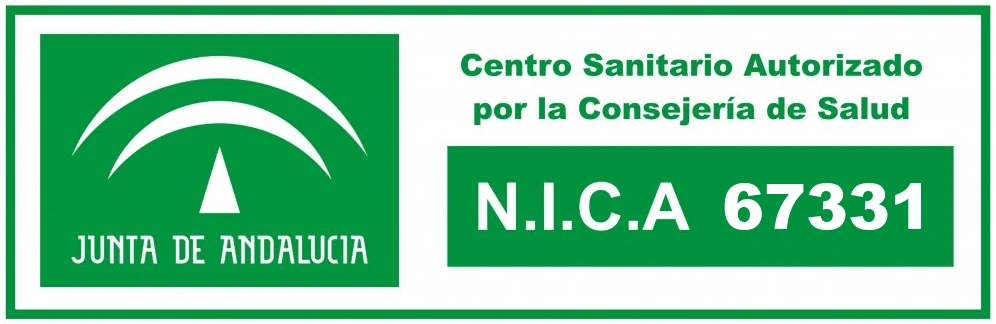
Registered health centre. Authorised by the Junta de Andalucía, N.I.C.A. 67331.