Home / Local treatment guides / Auckland
Treatment options in Auckland
Drug and Alcohol Rehab in Auckland: the honest guide
The real routes to drug and alcohol help in Auckland: from free public services and peer support to residential rehab and treatment abroad, with the actual costs and how to reach each one. Whether you are dealing with drug addiction, alcohol dependency, or both, we tell you plainly when a local option is the right first step.
Checked for accuracy on 28 July 2026. Next review due July 2027. This page is general information about our programme and is not a substitute for advice about your own situation.
Stopping alcohol or benzodiazepines abruptly can be dangerous if you are physically dependent, and severe withdrawal symptoms can include seizures. Get medical advice before you cut down. In a life-threatening emergency call 111, for urgent health advice call Healthline on 0800 611 116, and for free confidential support any time call the Alcohol Drug Helpline on 0800 787 797.
You do not have to pay for addiction treatment in Auckland. Community Alcohol and Drug Services (CADS) is free to New Zealand residents and is the right first step for most people experiencing moderate to significant harm from their alcohol or drug use, and there is free 24/7 phone support and free peer groups too. Residential rehab is more intensive: charitable and subsidised residential places exist in Auckland, while private-pay residential typically starts from around NZ$10,000 a month. Treatment abroad is one further option, set out below and clearly marked. Whether you are looking for a drug and alcohol addiction rehab, a drug and alcohol rehabilitation centre, information about drug and alcohol addiction, or simply somewhere to start, the treatment options below cover the full range, from a single phone call to a residential stay.
Speak to a clinician about treatment from Auckland
Confidential, no obligation, and no referral fee is paid to anyone for sending you here.
Free drug and alcohol services in Auckland
Start here, before you consider paying for anything. These services are free, they are local, and for a great many people they are enough on their own. We publish them because a centre that only tells you about its own programme is not giving you the full picture.
| Where to go | What they do, and how to reach them |
|---|---|
| Community Alcohol and Drug Services (CADS) Auckland the commissioning authority | Free drug and alcohol treatment for Auckland is commissioned by Community Alcohol and Drug Services (CADS) Auckland. Their page lists the current provider, which changes when contracts are retendered, so we link the authority rather than a service name that may be out of date. |
| Your GP, or NHS 111 | The NHS advises starting with your GP, who can assess you, advise on safe options and refer you into local treatment. Call NHS 111 for urgent advice that is not an emergency. |
| Talk to FRANK | Free, confidential drugs advice 24 hours a day on 0300 123 6600, or text 82111. Its find-support tool lists local services for any postcode. |
| Drinkline | The free national alcohol helpline on 0300 123 1110, weekdays 9am to 8pm and weekends 11am to 4pm, for you or for someone you are worried about. |
| We Are With You | Free, confidential support for drug, alcohol and mental health problems, in person in many areas and by webchat everywhere. |
| Adfam | Support and information for families and friends affected by someone else’s drug or alcohol use. |
Checked 28 July 2026. Commissioned services are retendered periodically, so confirm the current provider with the authority before you travel to an appointment.
AA and NA meetings in Auckland
Mutual aid meetings are free, they run most days, and there is no waiting list, no referral and no assessment. You can walk into one this week. They work alongside whatever else you choose rather than instead of it, and plenty of people use them and nothing else.
| Fellowship | How to find a meeting near Auckland |
|---|---|
| Alcoholics Anonymous | Search your town or postcode on the Alcoholics Anonymous Aotearoa NZ site to see every meeting near Auckland, in person and online, with days and times. |
| Narcotics Anonymous | If drugs are part of the picture, search the Narcotics Anonymous Auckland site for meetings near Auckland. |
What actually happens at a first meeting
You do not have to speak, and you do not have to give your surname. Most meetings open with a reading, someone shares for a while, and others speak if they want to. It lasts about an hour, and it is free, though a basket goes round for the room hire. Nobody takes a register and nobody will ask you to commit to anything.
An open meeting can be attended by anyone, including family. A closed meeting is for people who think they may have a problem themselves. If the first group does not suit you, the next one along will feel different, because each has its own character. The usual advice is to try three before deciding it is not for you.
We link the official finders rather than print a timetable, because meeting times and venues change and a stale listing sends someone to a locked door. Checked 28 July 2026.
Private and residential rehab for people in Auckland
Auckland does have residential rehab, but most of it is charitable or NGO run rather than private-pay. Salvation Army Bridge, Higher Ground and Odyssey House all deliver residential programmes in Auckland and are free or subsidised, which is why places are allocated by clinical assessment and can involve a waiting list. None of the three specialise in one substance alone: each is set up to help with alcohol rehabilitation as well as drug dependency, and to treat drug or alcohol addiction where that is what someone needs. Purely private, pay-as-you-go options, whether you call it a treatment facility, a treatment centre, a drug treatment service or a private clinic, are far fewer in number here, and no specific private rehab treatment provider is named or recommended here. The honest position is that for most Auckland residents the realistic residential route is the subsidised one through CADS, and the trade-off is availability rather than cost. For an overview of all rehabilitation services covering the region, the Healthpoint directory in our sources below is a good place to check current vacancies.
Where a private-pay stay is what you are weighing up, published directory listings put residential rehab across New Zealand at roughly NZ$10,000–30,000 for a 28-day programme, and around NZ$30,000–60,000 for 90 days, with Auckland typically at the higher end because urban running costs are greater. These are indicative ranges from a public directory, not quotations, and every centre sets its own fees, treatment plan and admissions criteria.
Cost ranges checked the date above. Typical published New Zealand ranges, not quotations.
What treatment costs in Auckland, and how it is funded
There are three broad ways treatment is paid for here. The public route through CADS is free to residents, and the Salvation Army, Higher Ground and Odyssey House residential programmes are free or subsidised. Private health insurance may cover part of a private-pay residential stay, depending on your policy and any exclusions for substance use. Self-funding covers the rest, and many private centres offer staged payment plans. What moves the final figure most is the length of stay, whether a medically supervised detox is needed first, whether you need a private room, and the level of aftercare included. Ask any centre to confirm, in writing, exactly what is and is not included in the drug addiction treatment before you commit.
Cost is not the only variable. A treatment approach that suits your unique needs, whether that is an outpatient plan, day programme, or full residential stay, matters just as much as price. Good addiction treatment services address physical and mental well-being together, since people managing mental health challenges alongside dependency often need more than a single intervention, and understanding the overlap between mental health and addiction is part of effective treatment. Comprehensive treatment plans build in aftercare support and relapse prevention from the start, not as an afterthought, and aim to protect long-term recovery once residential treatment ends. Whichever route you choose, ask what aftercare planning is included, not just what the stay costs.
Considering private residential drug and alcohol treatment abroad?
Sierra Recovery, Málaga, Spain
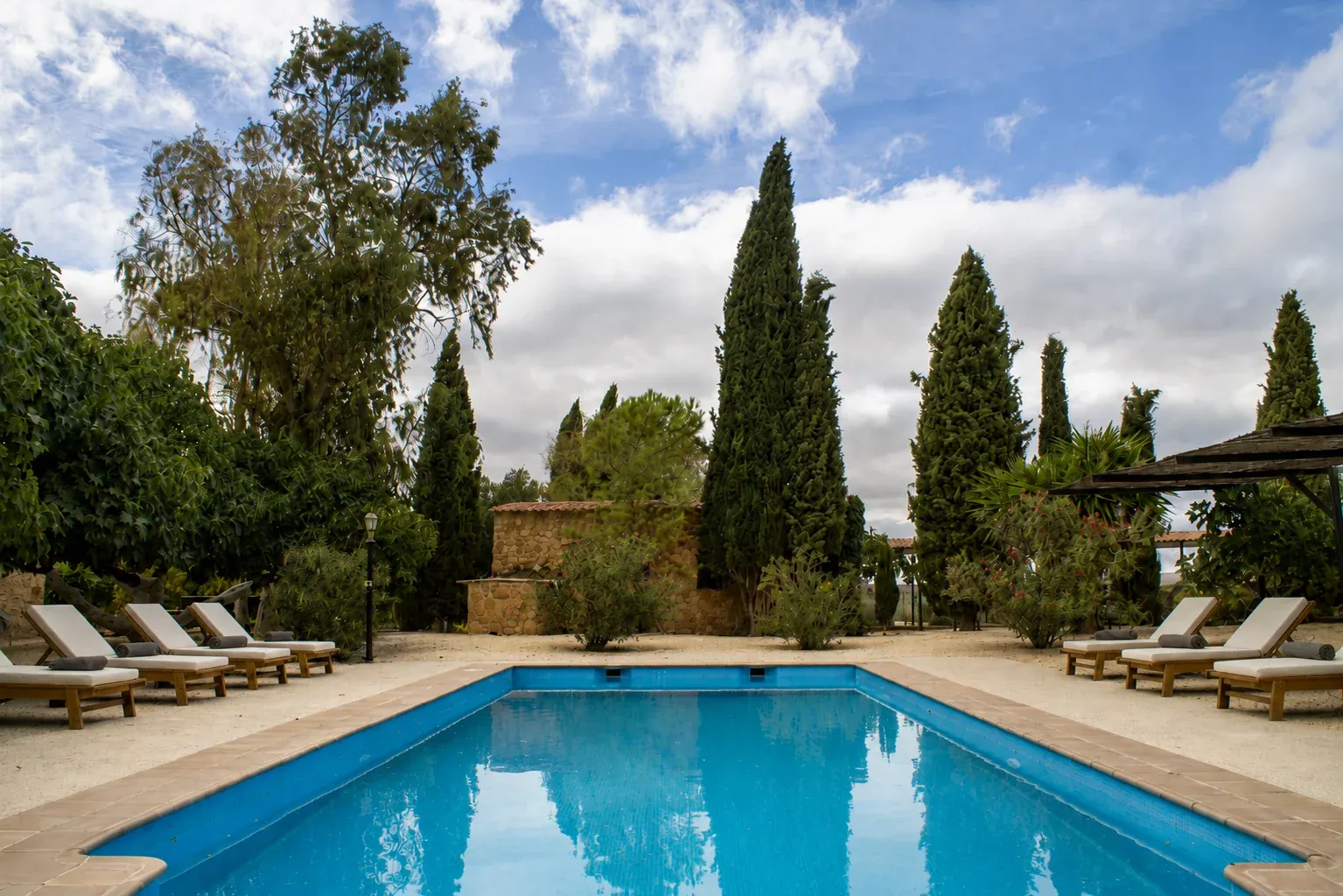
Most people who look abroad are not chasing sunshine. They are trying to get far enough away from the people, the places and the routine that keep the drinking or the using going, because they have already discovered that stopping while all of that is still fifteen minutes away does not hold. That distance is the whole point, and it is the one thing a clinic near Auckland cannot give you.
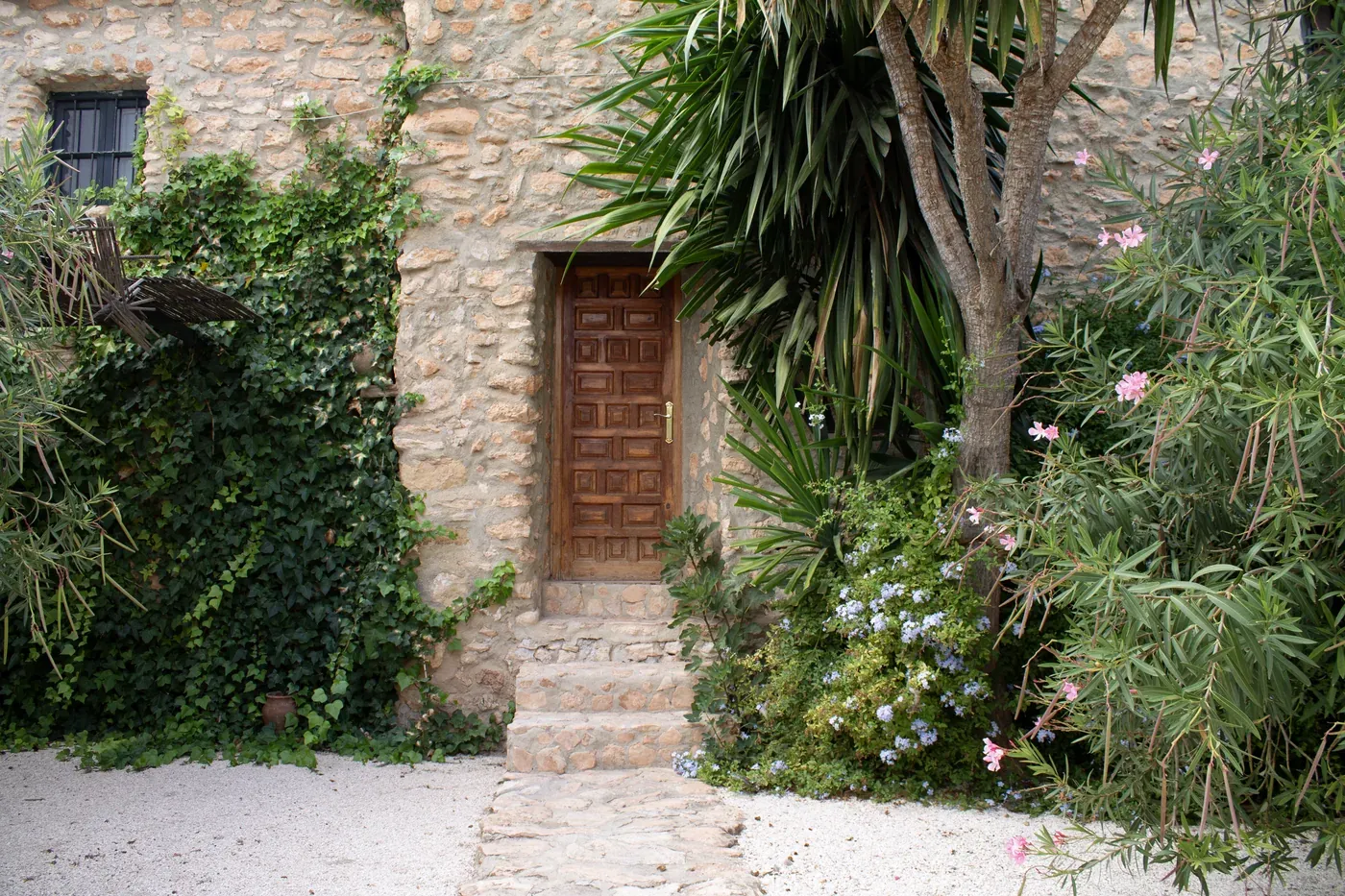
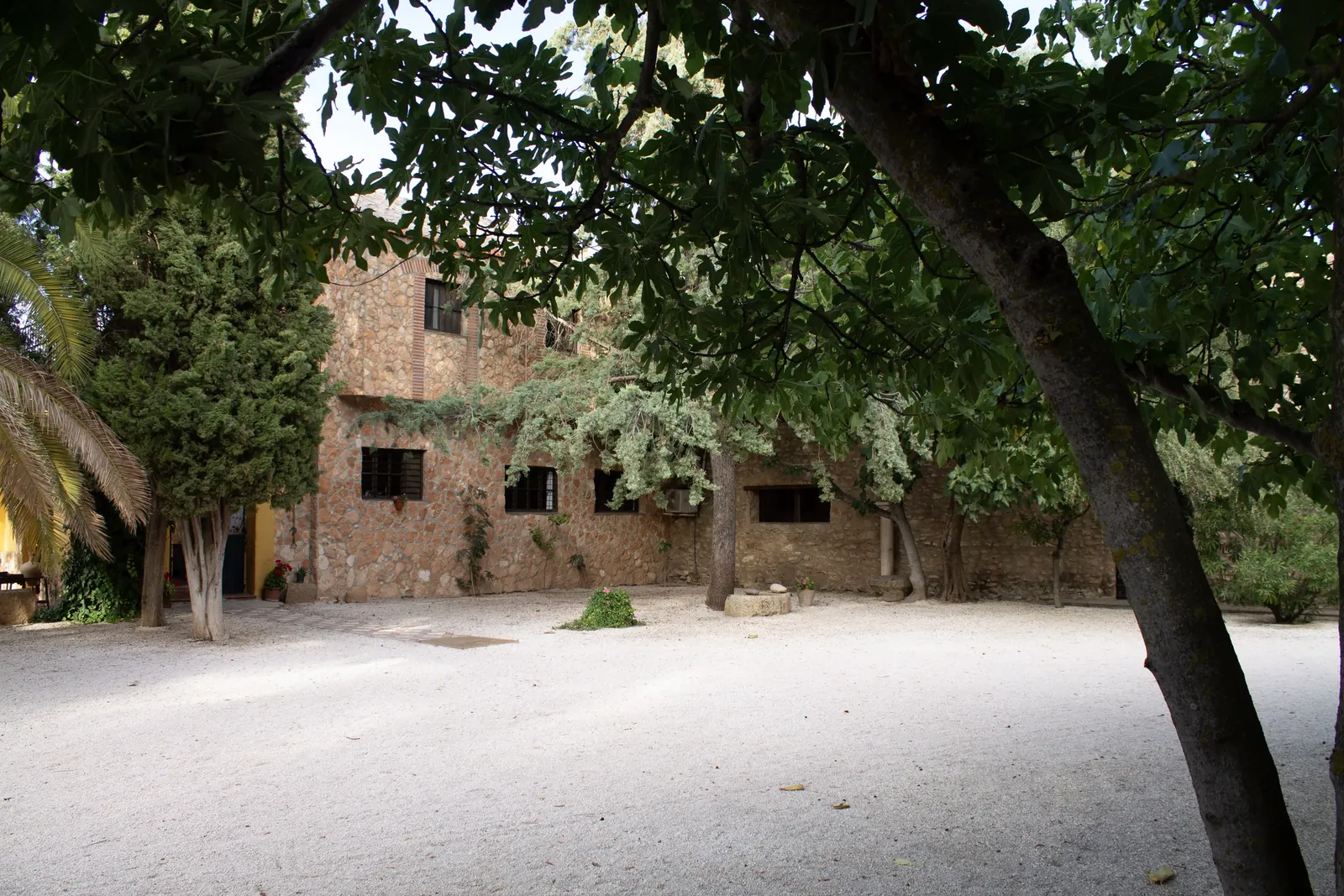
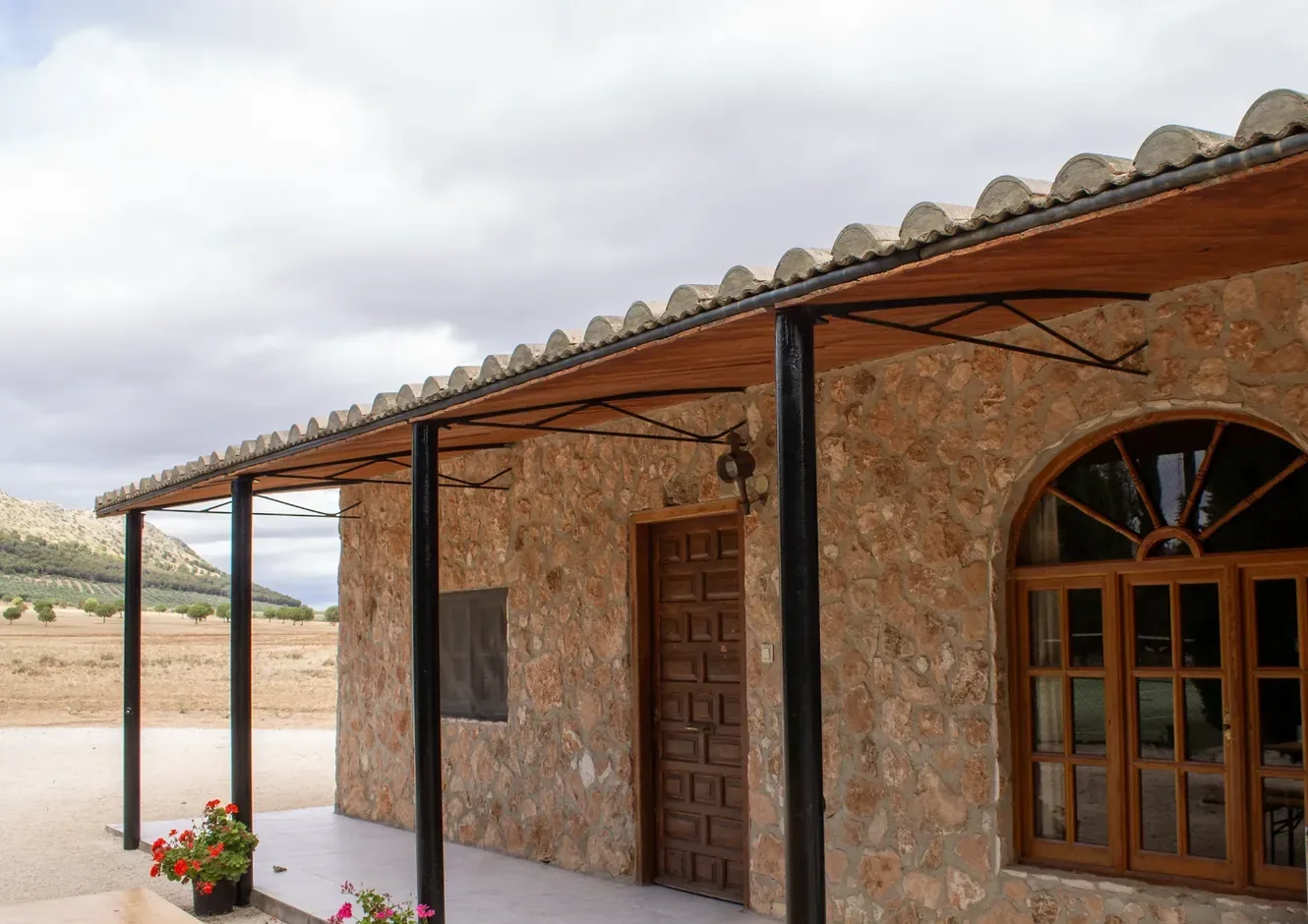
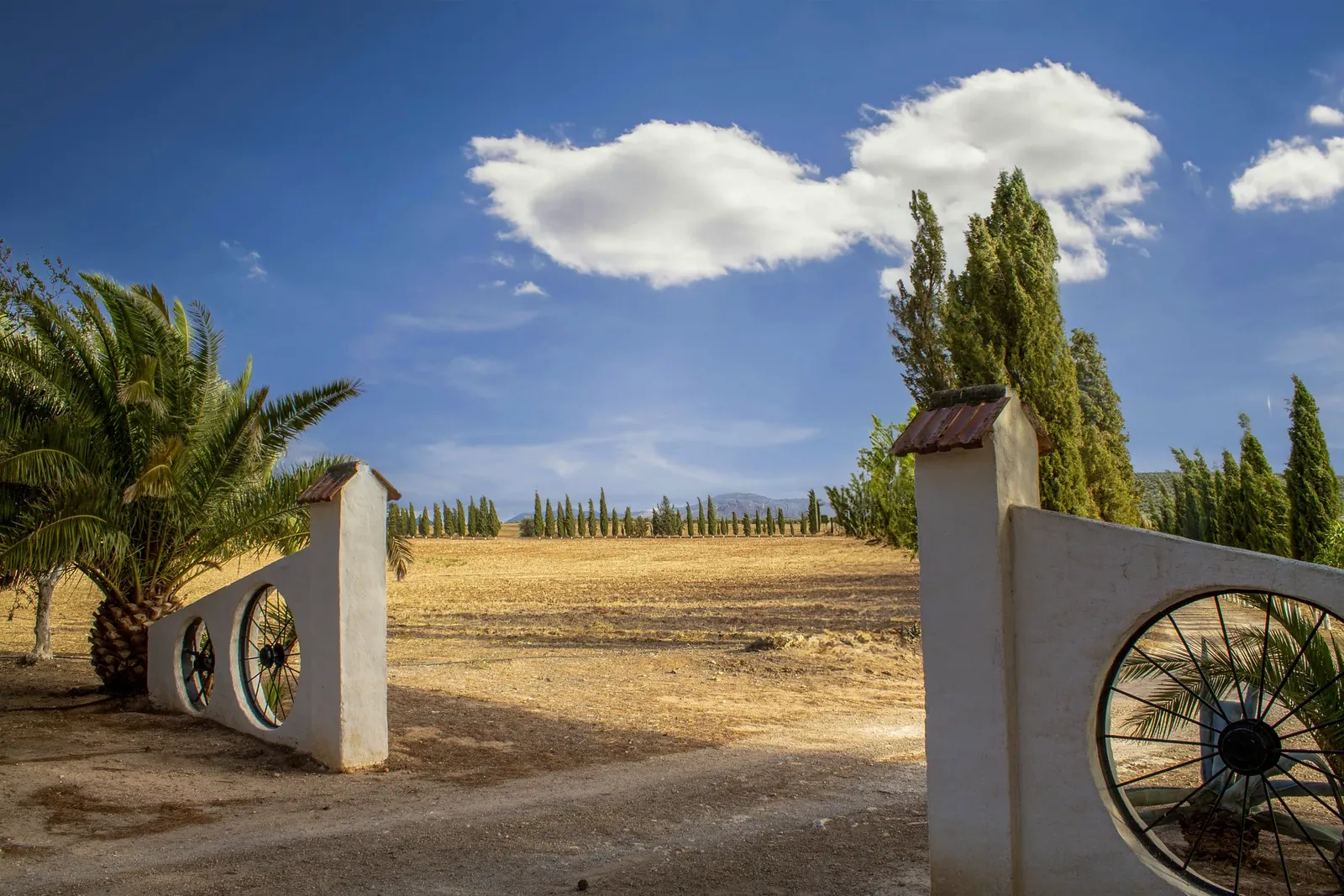
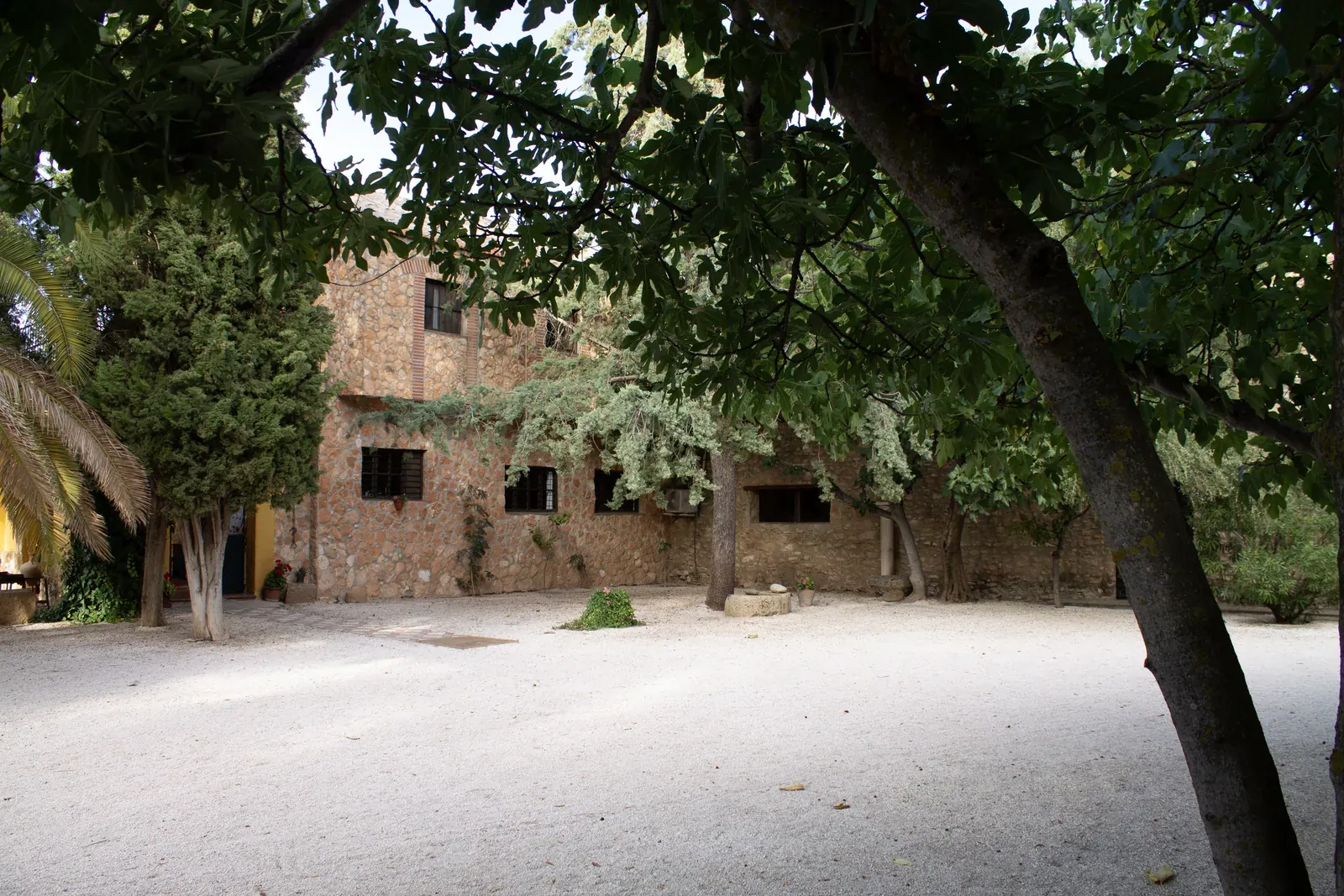
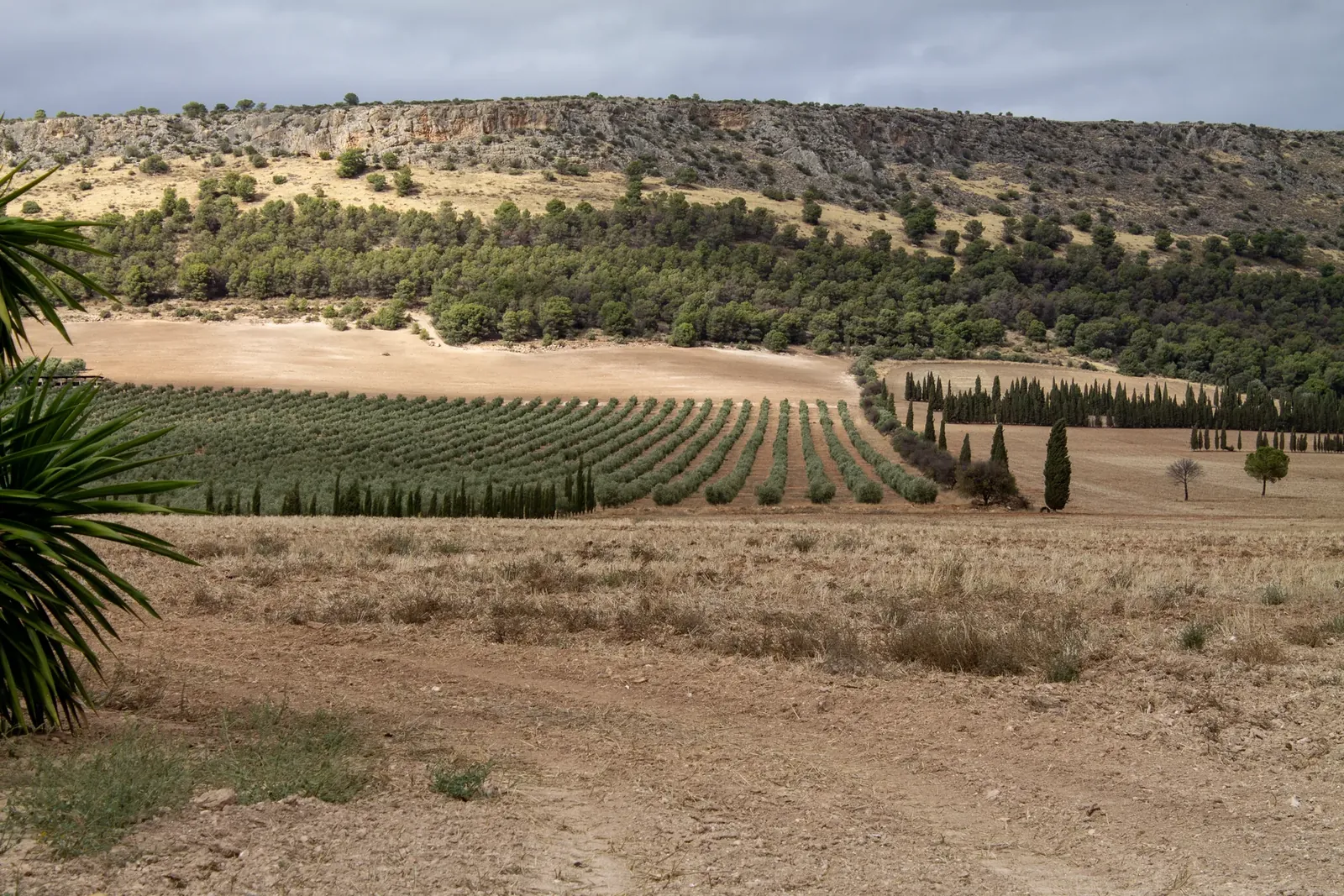
Sierra Recovery is a working farmhouse on forty hectares of olive groves in the Málaga countryside, about forty five minutes from the airport and roughly three hours from most UK airports. It is small, the team is English-speaking, and the same clinicians treat you from the first day to the last. What follows is what that actually buys, stated plainly enough that you can compare it with anything else you are considering.
| What matters when comparing | Sierra Recovery |
|---|---|
| Is it actually licensed | A registered health centre entered in the Registro Andaluz de Centros, Servicios y Establecimientos Sanitarios (the Andalusian register of health centres, services and establishments) under N.I.C.A. 67331, authorised by the Junta de Andalucía. You can look it up yourself on the public register. |
| What it costs, in full | £9,900 for the 28-day residential programme, published on the site up front. All rooms are individual. You get an itemised written quotation before admission. |
| Who pays whom | No referral fees are paid or accepted, in either direction. Nobody earns a commission for sending you here, which is worth checking about any centre you are comparing. |
| What the clinical work is | Three group sessions a day five days a week, individual therapy three times a week, and a seventeen-module psychoeducation curriculum. The approach adapts the method of PROMIS Clinics, treating addiction in the United Kingdom since 1986. |
| Where the limits are | It is not a hospital and not a detox unit. Where a medically supervised detox is clinically needed it is completed in an appropriate medical setting before admission and billed separately. Qualified nurses are part of the team throughout the stay. |
| Who you speak to first | Our admissions team, all of them clinicians, working to the standards set by our clinical director. The assessment is free, and if a service closer to home suits you better, we will say so. |
| What happens afterwards | Aftercare is agreed before you leave: a session every week for a full year, online or in person at the PROMIS clinics in London, which is more than 48 sessions in the twelve months after discharge. A written handover goes to your GP so nothing has to be explained from scratch. |
Every figure above is published elsewhere on this site and can be checked. See pricing, regulation and licensing and the programme.
Which option is right for you
Addiction is a complex issue, and the right rehab for you depends on your needs and circumstances, not on whichever service happens to be loudest. Choosing treatment is easier once you know what each route actually involves, whether you are struggling with alcohol, drug problems, or both, and whatever your experience with addiction so far. Start with CADS or the Alcohol Drug Helpline if you are unsure, if cost is the barrier, or if you want to stay near family and work in Auckland. Salvation Army Bridge, Higher Ground or Odyssey House if you need a residential stay and can wait for a subsidised place. Private residential in New Zealand if you need to start quickly, want a private room, and can self-fund or use insurance. Treatment abroad only if a private stay is what you are considering anyway, distance from your usual environment would help, you can travel, and you do not need an immediate hospital detox. Use AA or NA alongside whatever you choose: their volunteers have lived experience and exist to help clients stay in recovery for the long term. If you would like an honest view of whether treatment abroad fits your situation, talk to our admissions team and we will tell you plainly if a local option serves you better. Whatever you choose, taking the first step, whether that is calling CADS, the helpline, or asking us a direct question, matters more than which option you pick first.
Sources and verification
- Community Alcohol and Drug Services (CADS) Auckland and Health NZ / Te Whatu Ora, free to residents (phone 0800 845 1818)
- Alcohol Drug Helpline, free 24/7 support (0800 787 797, text 8681)
- Alcoholics Anonymous Aotearoa NZ · Narcotics Anonymous Auckland, meeting finders
- Salvation Army Bridge Programme · Higher Ground · Auckland residential services directory (Healthpoint)
- Healthify NZ, alcohol and drug support, and Healthline 0800 611 116; in an emergency call 111
- New Zealand private residential price ranges, compiled from public directory listings (indicative, not endorsements)
- Junta de Andalucía register, Sierra Recovery, N.I.C.A. 67331 · Sierra pricing
All figures dated 25 July 2026. Each price and service should be confirmed on the provider’s own page before you rely on it.
Questions people ask
Is there free drug and alcohol treatment in Auckland?
Yes. Community Alcohol and Drug Services (CADS) is run by Health New Zealand and is free to New Zealand residents. You can self-refer by phoning 0800 845 1818 or walk in to a counselling clinic. The Alcohol Drug Helpline (0800 787 797) is also free and open 24 hours, and AA and NA meetings across Auckland are free with no referral needed.
Is there a residential rehab in Auckland?
Yes. Salvation Army Bridge, Higher Ground and Odyssey House all run residential programmes in Auckland. These are charitable or subsidised rather than private-pay, so places are allocated by clinical assessment and can involve a waiting period. Purely private residential clinics are fewer, and for most residents the realistic residential route is the subsidised one reached through CADS.
How much does private rehab cost in New Zealand?
Published directory listings put private residential rehab at roughly NZ$10,000 to NZ$30,000 for a 28-day programme, and around NZ$30,000 to NZ$60,000 for 90 days, with Auckland usually at the higher end because urban running costs are greater. These are indicative ranges, not quotations, and every centre sets its own fees, so confirm what is included before you commit.
Is it safe to stop drinking or taking benzodiazepines on my own?
Not if you are physically dependent. Stopping alcohol or benzodiazepines suddenly can cause severe withdrawal, including seizures. Get medical advice before you cut down. In a life-threatening emergency call 111, for urgent advice call Healthline on 0800 611 116, and for free confidential support call the Alcohol Drug Helpline on 0800 787 797.
Is Sierra Recovery based in Auckland?
No. Sierra Recovery is a registered health centre in Humilladero, Malaga, Spain (Junta de Andalucía N.I.C.A. 67331), not in Auckland. We are listed here only as one option for people who would consider residential treatment abroad, clearly marked and after the local services. For most people in Auckland, starting with CADS or the Alcohol Drug Helpline is the right first step.
From Auckland, admission can happen within days
Where no medical detox is needed first, the usual sequence is a free assessment, an itemised written quotation, and a flight. Málaga is around three hours from most UK airports. Where a detox is needed it is arranged first and that changes the timing, and we will tell you so at assessment, before you book anything.

Still not sure which option fits you in Auckland?
Tell a clinician what is going on and they will talk it through with you, including the free routes above, before anything is booked.
 +
+
Talk to a clinician today
You will speak to our admissions team, English-speaking clinicians who know the programme and the people in it. Callback within 24 hours.
Registered health centre. Authorised by the Junta de Andalucía, N.I.C.A. 67331.
Other areas we cover
See every location in our local treatment guides, or compare what treatment costs in New Zealand.